
Crocodile Drags Man Into Sea During Mexican Resort Rescue
- account_circle Tyo Murty
- calendar_month Saturday, 4 Jul 2026
- visibility 20
- comment 0 comment
- print Print

info Adjust the font size of this article to get the best reading experience.
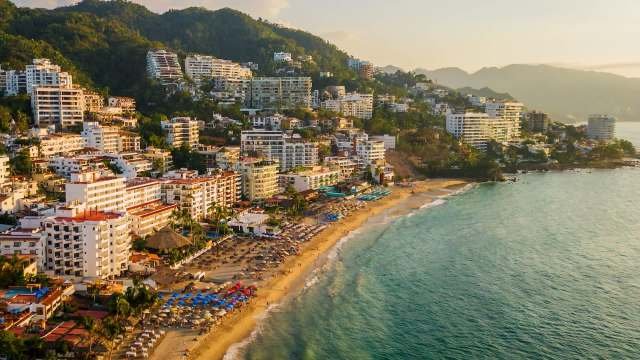
A tragic incident involving a crocodile attack on a Puerto Vallarta beach has sparked widespread public concern, as witnesses recounted the harrowing details of a desperate rescue attempt. The event unfolded when a 28-year-old Mexican man was attacked by a crocodile while on the beach near the Marriott Puerto Vallarta Resort and Spa. According to reports, the man was pulled into the water by the animal, and his body was recovered the following day by the Mexican Navy. The crocodile was later captured in the vicinity.
Jamie Yetter, who was also at the resort, shared his account with NBC Los Angeles. He described how he and his fiancé, Chris Bury, initially thought they saw a man struggling in a rip current. Bury rushed toward the water, and Yetter followed closely behind. Bury attempted to reach the victim using a kayak but found that it lacked a paddle. “There were no oars. There was really nothing at the beach at all to help,” Bury explained. “We were just scrambling, trying to do what we could.”
Bury added that he was on the kayak when the man was pulled under the water. The lack of proper equipment and the sudden nature of the attack left the rescuers with little time to act.
What makes this incident particularly alarming is not just the tragedy itself, but the broader implications it raises about human-wildlife interactions. Authorities have described the death as a “highly regrettable and unusual and isolated event.” However, even rare incidents can highlight underlying issues, especially in coastal areas where tourism, development, and recreation intersect with natural habitats.
Crocodiles are native to many coastal regions in Mexico, including lagoons, estuaries, and mangroves. As hotels, beach access points, and nighttime activities expand near these ecosystems, the risk of dangerous encounters increases. This is not necessarily because crocodiles are appearing more frequently, but because humans are encroaching on their territory and disrupting their natural behavior.
The overlap between human activity and wildlife habitats can lead to deadly consequences for both people and animals. Beaches connected to river mouths or wetlands are often seen as picturesque locations, but they are also critical ecosystems. Protecting these areas is essential for preserving biodiversity and ensuring the safety of both humans and wildlife.
Public reaction to the incident has been mixed. Bury noted that witnesses were unprepared for the sudden danger and had little time to respond. Meanwhile, the hotel involved in the incident stated that it had implemented appropriate safety measures, including signage, night patrolling, and red flags to indicate caution. The resort also expressed its condolences to the victim’s family and confirmed that it was providing support in accordance with its policies.

While this incident remains an isolated case, it serves as a reminder of the delicate balance between human activity and the natural world. As coastal areas continue to develop, it is crucial to remain vigilant and take steps to minimize the risks associated with sharing space with wildlife. This includes educating visitors, enforcing safety protocols, and preserving the integrity of local ecosystems.
- Author: Tyo Murty




















At the moment there is no comment