
12-Year-Old Injured in Yellowstone Bison Attack: The Safety Rule You Need to Know

info Adjust the font size of this article to get the best reading experience.
A 12-year-old child was injured by a bison at Yellowstone National Park on June 26, according to officials from the National Park Service. The incident occurred near Mud Volcano, located just north of Fishing Bridge around 9:15 a.m. The child was quickly transported to a nearby hospital for treatment. However, the specific condition of the child has not been disclosed to the public at this time.
“Remember, animals in Yellowstone are wild and can be dangerous,” Yellowstone National Park stated on its social media platforms. “Wild animals can be aggressive when people do not respect their space.”
Visitors within Yellowstone are required to maintain a safe distance from all large animals, including bison, elk, bighorn sheep, deer, moose, and coyotes. Specifically, they must stay at least 25 yards away from these animals. For more dangerous species such as bears, wolves, and cougars, the recommended distance is at least 100 yards.
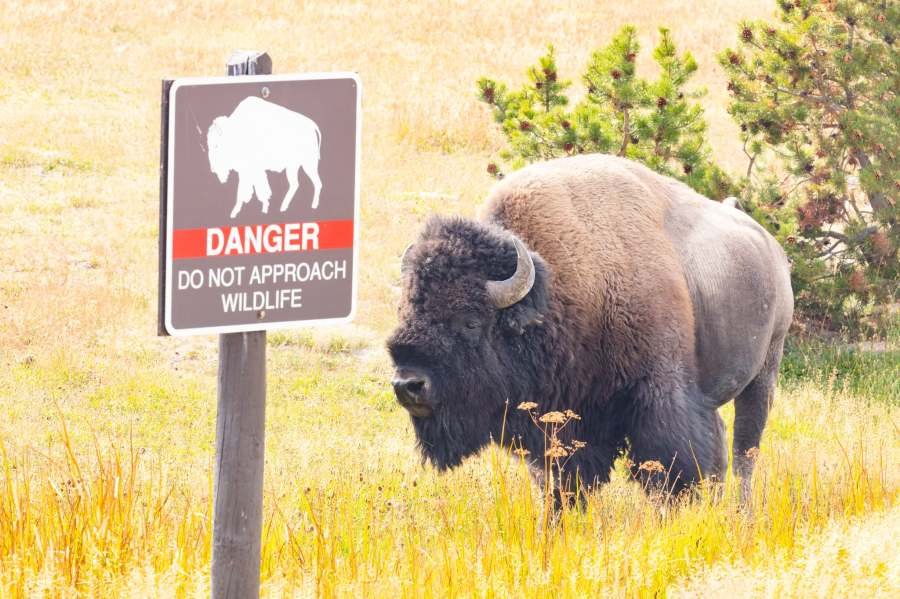
“If wildlife approach you, move away to maintain the required distance,” Yellowstone National Park advised. “Never approach, touch, feed or crowd wildlife, even if an animal appears calm. Bison have injured more people in Yellowstone than any other animal. They are unpredictable, can run three times faster than humans and will defend their space when threatened.”
The circumstances surrounding the child’s interaction with the bison are currently under investigation. This incident highlights the ongoing risks associated with wildlife encounters in national parks, especially when visitors fail to follow safety guidelines.
In May, two hikers were attacked and seriously injured by a bear near Old Faithful in Yellowstone National Park. These incidents underscore the importance of adhering to park regulations and respecting the natural habitat of the animals that call the area home.
Safety Guidelines for Visitors
To ensure the safety of both visitors and wildlife, it is crucial to follow these key guidelines:
- Always maintain a safe distance from animals
- Never approach, touch, feed, or crowd wildlife
- Stay alert and aware of your surroundings
- Follow all posted signs and instructions from park officials
Understanding the Risks
Bison, in particular, are known for their sudden and unpredictable behavior. Despite their seemingly calm demeanor, they can become aggressive if they feel threatened or if their space is invaded. Their speed and strength make them a significant danger to anyone who gets too close.
Park officials emphasize that no animal should be approached, regardless of how calm or docile it may appear. Even the most gentle-looking creatures can react unexpectedly, especially when protecting their young or territory.
Ongoing Investigations
The recent bison-related injury is being investigated to determine what led to the incident and whether any safety protocols were violated. Park rangers and law enforcement are working together to gather information and ensure that similar incidents do not occur in the future.
Community Response
Local communities and park advocates are urging visitors to take these warnings seriously. Educational programs and awareness campaigns are being developed to reinforce the importance of wildlife safety and responsible behavior in national parks.
As Yellowstone continues to attract millions of visitors each year, the need for vigilance and respect for nature remains paramount. By following the rules and staying informed, visitors can enjoy the beauty of the park while minimizing the risk of dangerous encounters.
- Author: Tyo Murty




















At the moment there is no comment