
U.S. Retaliates: Massive Strikes Hit Iranian Military Targets After Brazen Drone Attack on Oil Tanker

info Adjust the font size of this article to get the best reading experience.
U.S. Conducts Strikes Against Iranian Targets in Response to Attack on Tanker
U.S. Central Command (Centcom) announced on Saturday that American forces carried out additional strikes against several Iranian targets. This action was taken in response to an attack on a Panama-flagged tanker near the Strait of Hormuz. The move marks a significant escalation in tensions between the U.S. and Iran, which have been on the rise in recent days.
“CENTCOM forces launched strikes today in direct response to continued Iranian aggression against commercial shipping,” Centcom stated on the social platform X. The statement highlighted that U.S. military aircraft targeted various elements of Iran’s military infrastructure. These included surveillance systems, communication networks, air defense sites, drone storage facilities, and minelayer capabilities. The strikes were aimed at disrupting Iran’s ability to conduct further attacks on maritime traffic in the region.
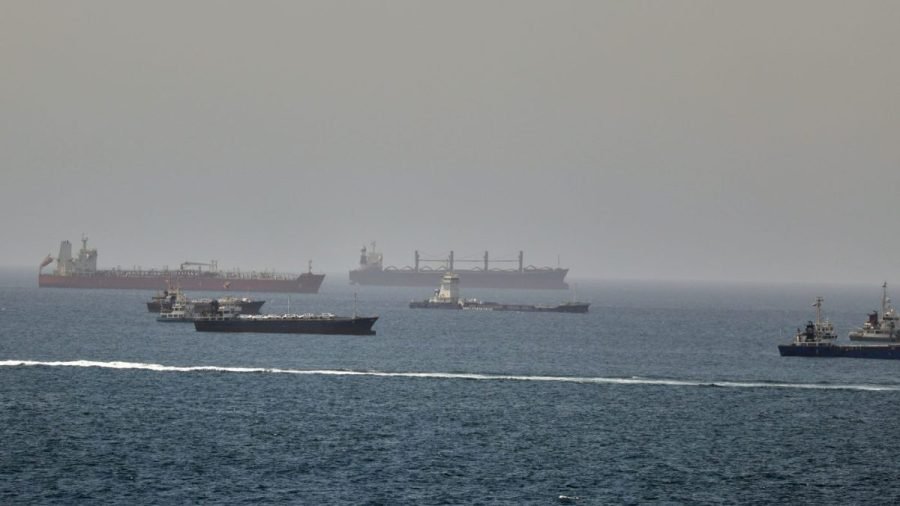
The attacked vessel, M/T Kiku, was traveling through the strategic waterway with over two million barrels of crude oil on board when it was hit by a one-way attack drone around 4:30 a.m. According to Centcom, the incident underscores the growing threat posed by Iranian-backed groups operating in the area. The attack has raised concerns about the safety of international shipping lanes, particularly in the Gulf, where geopolitical tensions have been simmering for months.
This event comes amid a renewed period of conflict in the Gulf, where the U.S. and Iran have engaged in a series of confrontations. The situation escalated further when the Islamic Revolutionary Guard Corps targeted a Singapore-flagged cargo ship in the Strait of Hormuz on Thursday. President Trump described the attack as “foolish,” emphasizing the need for restraint and diplomatic solutions.
In response to the attack on the Singapore-flagged ship, Centcom stated that Iran had been given an opportunity to uphold the fragile ceasefire agreement. However, the command accused Iran of choosing not to adhere to the terms of the deal, thereby violating its commitments. The U.S. continues to emphasize the importance of maintaining stability in the region and preventing further violence.
The latest strikes by U.S. forces are part of a broader strategy to deter Iranian aggression and protect commercial shipping. By targeting key elements of Iran’s military infrastructure, the U.S. aims to send a clear message that such attacks will not be tolerated. This approach reflects a combination of military readiness and diplomatic efforts to de-escalate the situation.
As tensions continue to mount, the international community is closely monitoring developments in the Gulf. The potential for further conflict remains a concern, particularly given the history of hostilities between the U.S. and Iran. Analysts suggest that sustained dialogue and cooperation will be essential in preventing a full-scale confrontation.
The ongoing situation highlights the complex dynamics at play in the region, where multiple actors have competing interests. The involvement of non-state actors, such as Iranian-backed militias, adds another layer of complexity to the security landscape. Ensuring the safety of maritime routes is crucial for global trade and economic stability.
In conclusion, the recent attacks and subsequent U.S. strikes underscore the fragile state of affairs in the Gulf. While the immediate focus is on addressing the threats posed by Iran, the long-term goal must be to foster a more stable and secure environment for all nations involved. The path forward will require careful diplomacy, strong military presence, and a commitment to peaceful resolution of conflicts.
- Author: Tyo Murty

















At the moment there is no comment