
Ukraine Launches Major Drone Strikes on Russian Shadow Fleet in Black Sea
- account_circle Tyo Murty
- calendar_month Wednesday, 22 Jul 2026
- visibility 19
- comment 0 comment
- print Print

info Adjust the font size of this article to get the best reading experience.
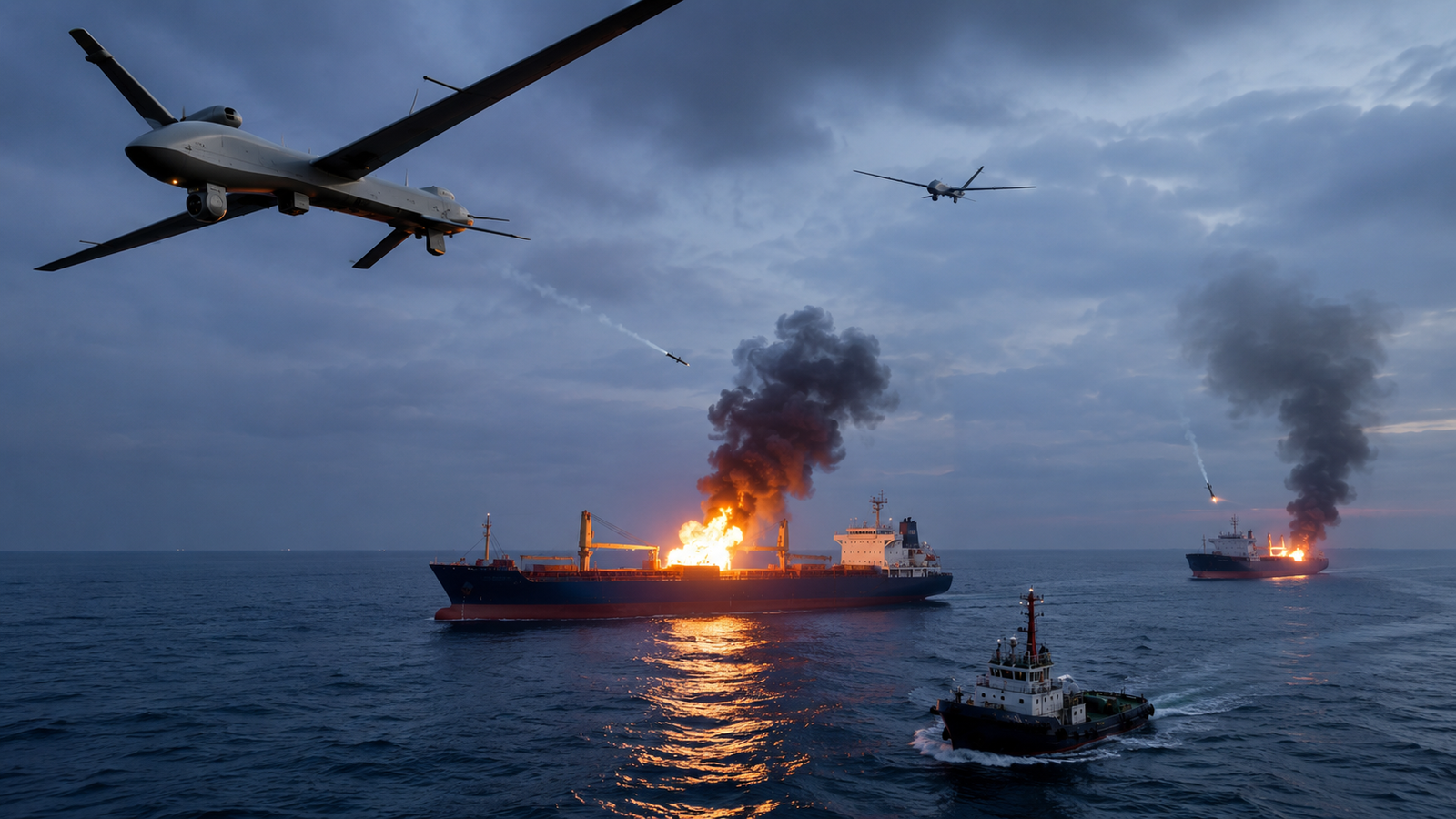
Ukraine has shifted its military focus in recent weeks, targeting Russian shadow fleets operating in the Azov and Black Seas as part of a broader strategy to push Russia out of occupied Crimea. This new phase of operations highlights Ukraine’s growing use of unmanned systems to disrupt Russian supply lines and weaken its military presence in the region.
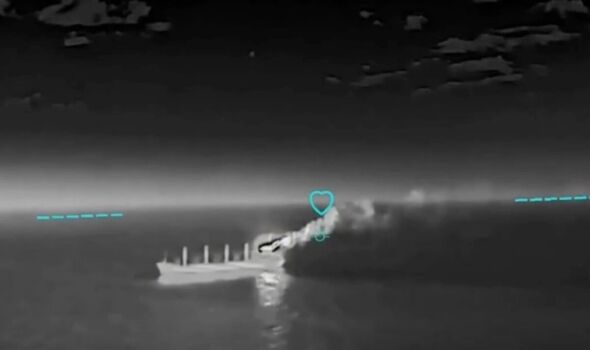
Commander of Ukraine’s Unmanned Systems Forces, Robert Brovdi—known online as “Madyar”—announced on Telegram that Ukrainian forces conducted strikes on more than a dozen vessels belonging to the Russian shadow fleet in the Azov and Black Seas over the past two days. According to his statement, the targeted vessels included 10 dry cargo ships, two tugboats, and a tanker. The commander emphasized that these attacks were a warning to Russian vessels navigating the waters, stating that it was “inadvisable” for them to do so in the interests of the aggressor country.
The attacks occurred over a 48-hour period from July 21 to 22. While the exact number of vessels targeted remains unverified, Brovdi’s updates have consistently highlighted the scale of Ukraine’s efforts against the shadow fleet. Since the campaign began, his forces have reportedly struck an estimated 126 vessels in the Azov Sea and 70 vessels in the Black Sea as of July 22.
This operation is part of a larger effort by Ukraine to undermine Russia’s military and economic capabilities. In addition to targeting shadow fleets, Ukrainian forces have launched strikes deep into Russian territory, disrupting logistics networks and weakening Moscow’s ability to sustain its war effort.
The Royal United Services Institute, a London-based defense think-tank, has noted that Ukraine’s attacks on Russian shadow fleets are aimed at increasing pressure on shippers and insurers involved in circumventing Western sanctions. At a time when Russian oil exports are already under strain, these actions could further isolate Moscow economically.
Ukraine’s military strategy also includes targeting critical infrastructure in occupied territories. Brovdi reported that Ukrainian forces “effectively targeted” 13 energy hubs and power substations in Crimea and other areas under Russian control. These attacks have reportedly caused blackouts across the strategically important peninsula, further complicating Russia’s administration of the region.
In a letter dated June 26, Ukrainian Deputy Prime Minister Oleksii Kuleba argued that Russian shadow fleets do not qualify as civilian shipping under international law due to their role in supporting Russia’s military campaign. This claim underscores Ukraine’s legal and diplomatic efforts to challenge the legitimacy of Russian operations in the region.
Russia has relied heavily on shadow fleets to bypass Western sanctions on its oil and petroleum exports. By targeting these vessels, Ukraine aims to disrupt this network and limit Moscow’s access to critical resources. Additionally, Ukraine has been attacking Russian oil and gas refineries, further weakening the economic foundation of Russia’s military machine.
The ongoing conflict continues to evolve, with both sides adapting their strategies to gain an advantage. As Ukraine intensifies its efforts to counter Russian aggression, the situation in the region remains volatile and unpredictable. The impact of these attacks on the broader war effort and international relations is likely to be significant in the coming months.
- Author: Tyo Murty


















At the moment there is no comment