
How to Clean Salad Greens to Avoid Food Poisoning (Plus When to Blanch)
- account_circle Tyo Murty
- calendar_month Tuesday, 14 Jul 2026
- visibility 13
- comment 0 comment
- print Print

info Adjust the font size of this article to get the best reading experience.
Key Takeaways
Leafy greens are often associated with foodborne illness, but following safe shopping, storage, and handling practices can help reduce the risk of contamination. Experts emphasize the importance of keeping hands and kitchen surfaces clean, as well as washing salad greens thoroughly. Sturdier greens like kale and Swiss chard can be blanched for an additional layer of protection.
With recent headlines about cyclosporiasis and explosive diarrhea, many people are concerned about how to lower their risk of getting sick. Although health officials have not yet identified the source of the current outbreak, fresh produce such as cilantro, basil, raspberries, and leafy greens has been linked to previous outbreaks.
Understanding the Risks of Leafy Greens
Edible greens are especially prone to contamination because they grow close to the ground, where they may come into contact with contaminated soil, irrigation water, and animal waste. They are also typically eaten raw, which means harmful germs are not eliminated through cooking.
According to Francisco Diez-Gonzalez, PhD, director of the Center for Food Safety at the University of Georgia in Griffin, leafy greens have been related to foodborne outbreaks because they are consumed without a process that can kill microorganisms after harvesting. While no cleaning method can completely eliminate every single harmful germ, experts suggest proper selection, washing, storage, and for some hearty greens, blanching can help reduce the risk of foodborne illness.
Step-by-Step Guide to Washing Salad Greens Safely
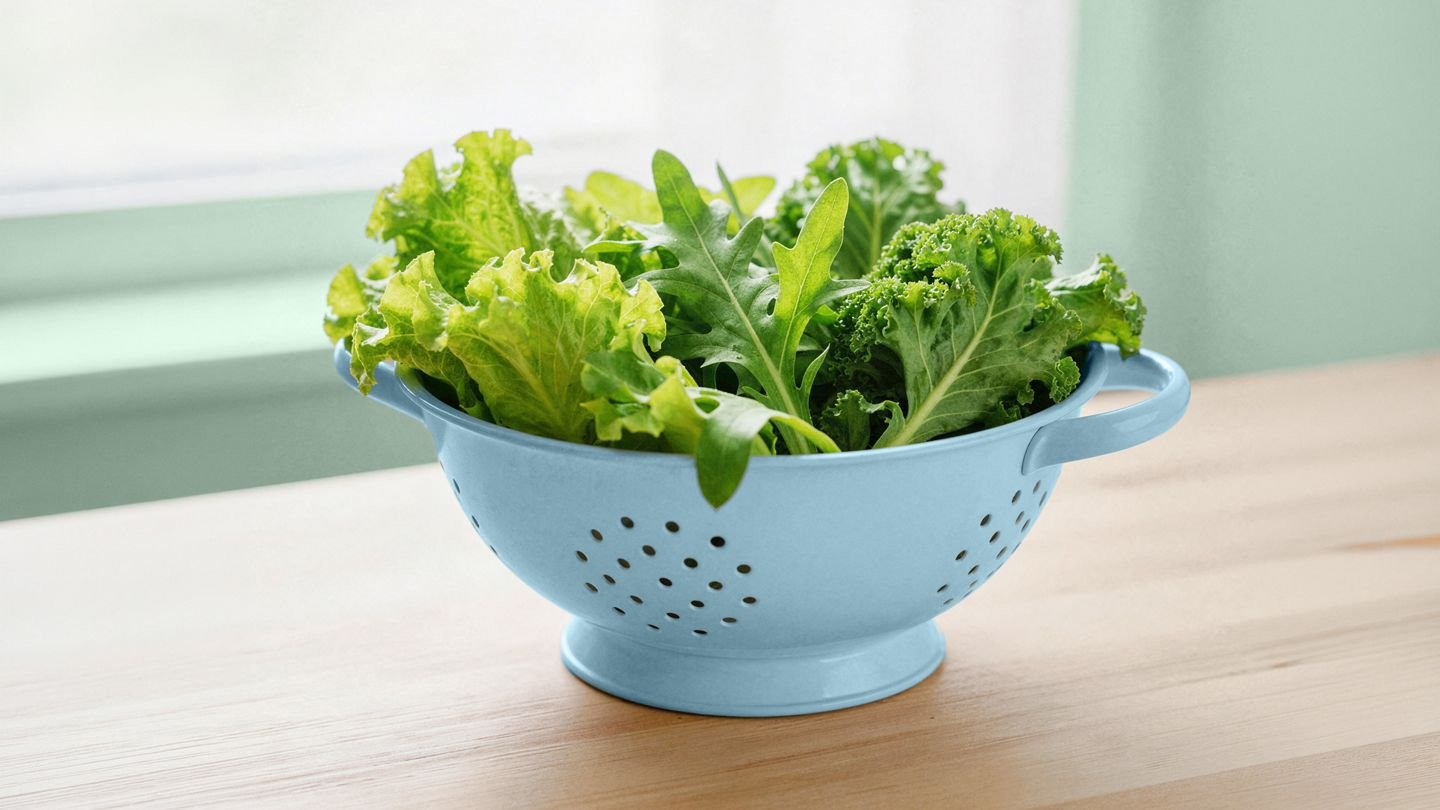
All leafy greens should be washed before being eaten raw or cooked to reduce surface contamination. For most salad greens, including arugula, romaine, leaf lettuce, and spinach, experts recommend the following steps:
- Prepare your space: Before handling your greens, wash your hands, countertops, cutting boards, and knives with hot soapy water to prevent cross-contamination.
- Soak and swish, then rinse under running water: If the greens are especially dirty, place them in a clean bowl of cold water and gently swish to loosen particles. Lift the leaves out of the water and rinse each one thoroughly under cool running water to remove any remaining dirt, debris, and microorganisms.
- Dry thoroughly: Use a clean salad spinner or fresh paper towels to remove excess moisture. This helps clear any remaining dirt and microbes and also slows spoilage during storage.
The overall process of washing reduces about 90 percent of the microbes associated with the surface of leaves, and drying with paper towels helps complete this reduction, says Dr. Diez-Gonzalez.
How to Blanch Leafy Greens
If you’re planning to cook or freeze hearty leafy greens, blanching can provide an extra layer of food safety beyond washing alone. According to Martin Bucknavage, a senior food safety and quality specialist at Penn State University, blanching can reduce foodborne bacteria, including E. coli and salmonella, that are highly susceptible to heat.
Blanching is a simple two-step process:
- Briefly immerse vegetables in boiling water.
- Immediately transfer to an ice bath to stop the cooking process.
Experts note that blanching works best for sturdy greens that can withstand brief cooking, such as spinach, kale, Swiss chard, and collard greens. It is not usually recommended for delicate greens like lettuce due to the damaging effect of heat on crispiness and flavor.
What Doesn’t Work to Reduce Food Poisoning Risk
Many home remedies claim to remove germs from leafy greens, but food safety experts say many of them offer little benefit and some may even increase your risk.
- Skip vinegar, baking soda, and DIY produce washes: There isn’t enough evidence to recommend these methods over thoroughly rinsing produce under cool running water. Baking soda is largely ineffective in increasing the effectiveness of washing with plain water, according to Dr. Diez-Gonzalez.
- Don’t use soap, bleach, or household cleaners: Fresh produce can absorb residues from these products, which should not be eaten and may cause illness. These chemicals will be picked up in the leaf structure and will be there when consumed.
- Don’t rewash “triple-washed” greens: Rewashing these items won’t make them safer and could actually introduce new bacteria through cross-contamination.
How to Safely Select and Store Salad Greens
Minimizing contamination starts before you bring your produce home. Experts recommend the following tips:
- Choose fresh, undamaged greens: Look for leafy greens that are crisp, brightly colored, and free of excessive bruising, sliminess, or signs of decay. Damaged leaves spoil more quickly, creating more opportunities for bacteria to grow.
- Keep produce separate from raw meat: Cross-contamination is one of the easiest ways for harmful bacteria to spread. Keep leafy greens away from raw meat, poultry, and seafood in your shopping cart and grocery bags.
- You don’t need to avoid bagged salads but do inspect them carefully: Although bagged greens have occasionally been linked to foodborne illness outbreaks, experts don’t recommend avoiding them altogether. Instead, choose bags that are refrigerated, cold to the touch, and free of excess moisture, damaged packaging, or expired dates.
- Don’t judge safety by where produce was grown: Both domestic and imported produce must meet food safety standards, so a product’s country of origin is not on its own a reliable indicator of safety. Some types of both domestic and imported produce have been implicated in foodborne disease outbreaks, but there is no conclusive evidence that one is safer than the other.
If an outbreak is linked to a specific food, experts say it’s reasonable to make informed decisions about temporarily avoiding that product, particularly if you’re pregnant, over 65, immunocompromised, or have another condition that increases your risk of severe foodborne illness.
- Author: Tyo Murty




















At the moment there is no comment