
Judge Gives Colt Gray Life Without Parole After Deadly Apalachee High School Shooting
- account_circle Tyo Murty
- calendar_month Wednesday, 29 Jul 2026
- visibility 14
- comment 0 comment
- print Print

info Adjust the font size of this article to get the best reading experience.
The Life Sentence for Colt Gray
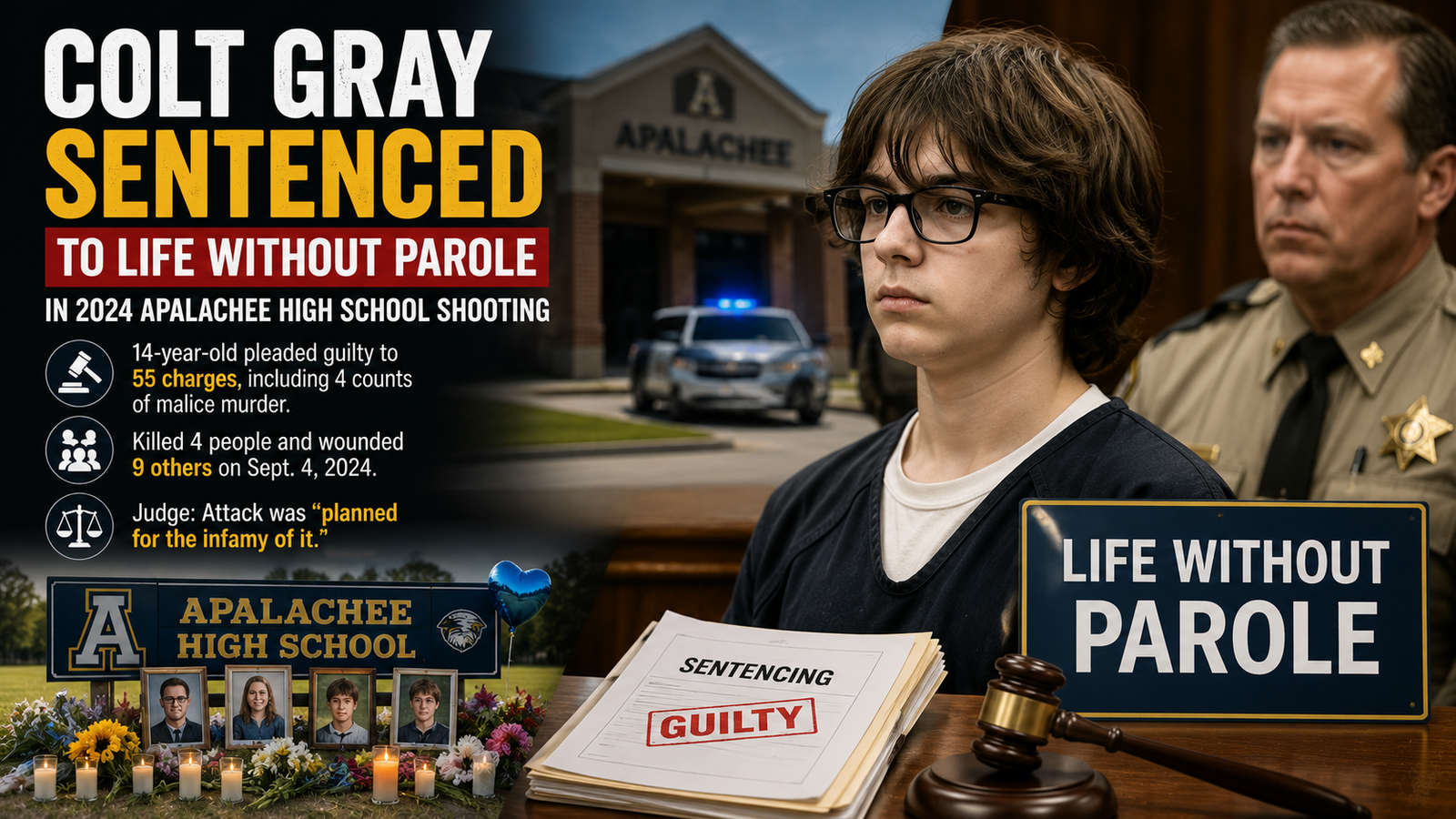
Colt Gray, a 14-year-old Georgia teenager who admitted to killing four people in the 2024 shooting at Apalachee High School, has been sentenced to life in prison without the possibility of parole. Superior Court Judge Nicholas Primm delivered the sentence on Tuesday in Barrow County, following three days of testimony from survivors, victims’ families, investigators, and mental health experts.
Gray pleaded guilty last week to all 55 charges, including four counts of malice murder. He admitted to killing teachers Richard Aspinwall and Cristina Irimie and students Mason Schermerhorn and Christian Angulo during the Sept. 4, 2024, shooting at Apalachee High School. Another teacher and eight students were wounded.
Because Gray was 14 at the time of the shooting, Georgia law prohibited prosecutors from seeking the death penalty. His sentence ranged from life with the possibility of parole to life without parole. However, given the severity of his actions, the judge opted for the latter.
A Deliberate Act of Violence
During his sentencing, Judge Primm stated that while the Supreme Court considers life sentences for youth only on rare occasions, Gray fit those parameters. “I also recognize that you were failed by each of your parents, you were failed by your extended family, to a certain extent you were failed by a society that can’t stop propagating this misguided value in online cultures and social media rather than making genuine interpersonal connections and relationships,” Primm said. “But that failure does not absolve you from who you chose to idolize, worship, and become.”
The judge emphasized that Gray’s actions were not done out of fear, anger, or hatred. Instead, he argued that the shooting was done for “the infamy of it.” Despite knowing that other mass shooters that he idolized were sentenced to life without parole, Gray made moves to plan the shooting, “contemplating the pain over and over,” Primm told the teen.
“You wrote ‘I want to make history. I want people to remember the pain I caused,’ and there you succeeded,” Primm said. “The pain that you visited upon this community is unlikely to disappear in my lifetime.”
Emotional Impact on Victims’ Families
Victims’ families described lives forever changed after the shooting. The sentencing hearing opened with emotional victim impact statements from survivors and relatives of those killed. Family members described the lasting trauma left by the shooting, remembering the four victims and detailing how their deaths continue to affect parents, siblings, classmates, and the broader Barrow County community.
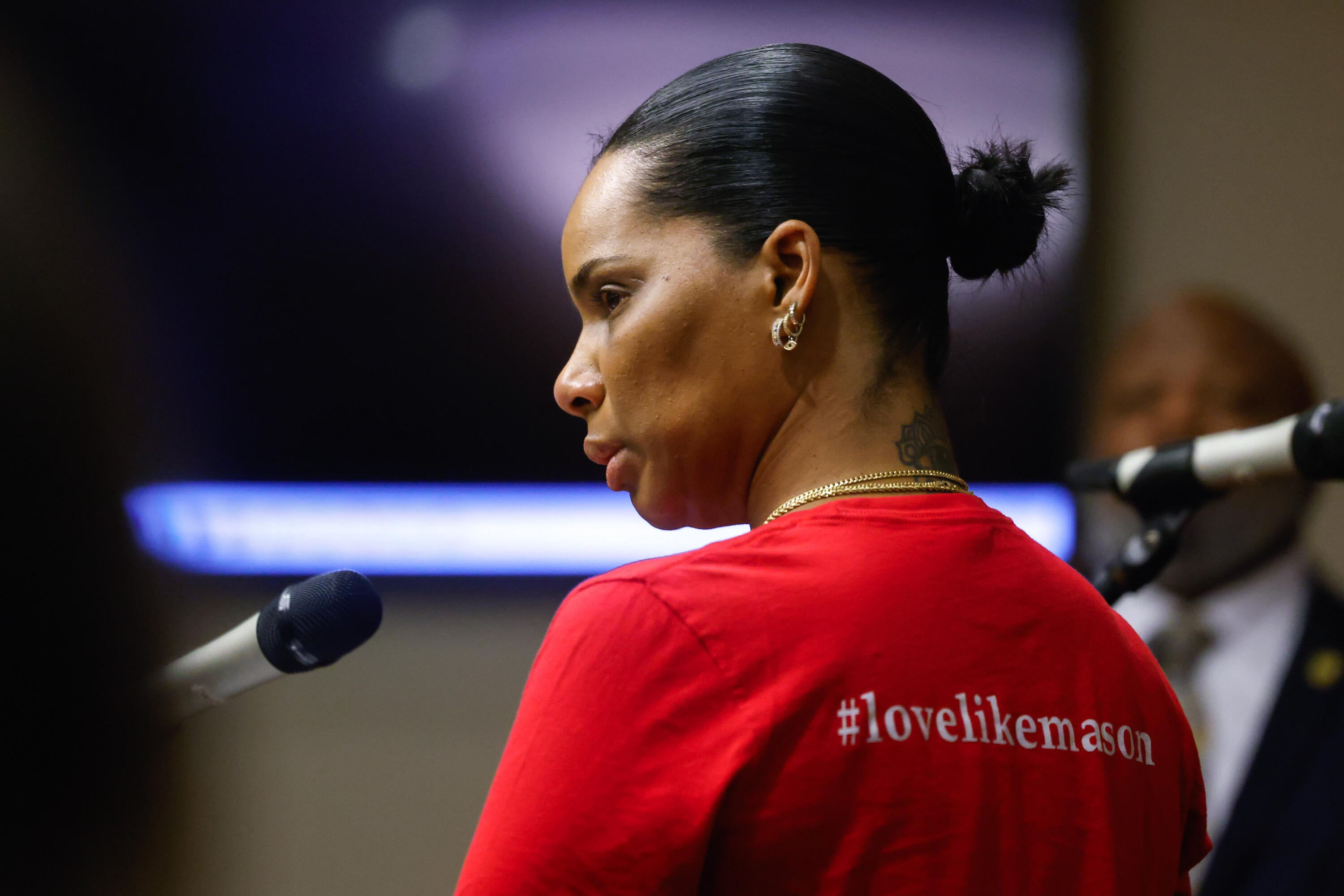
Mason Schermerhorn’s family remembered him as a caring teenager who “was so much more than a victim,” while recounting the frantic search for him and the moment they learned he had been killed. His sisters told the court they continue to struggle with anxiety, panic attacks, and the emotional weight of returning to schools and public places.
Prosecutors Argue the Attack Was Carefully Planned
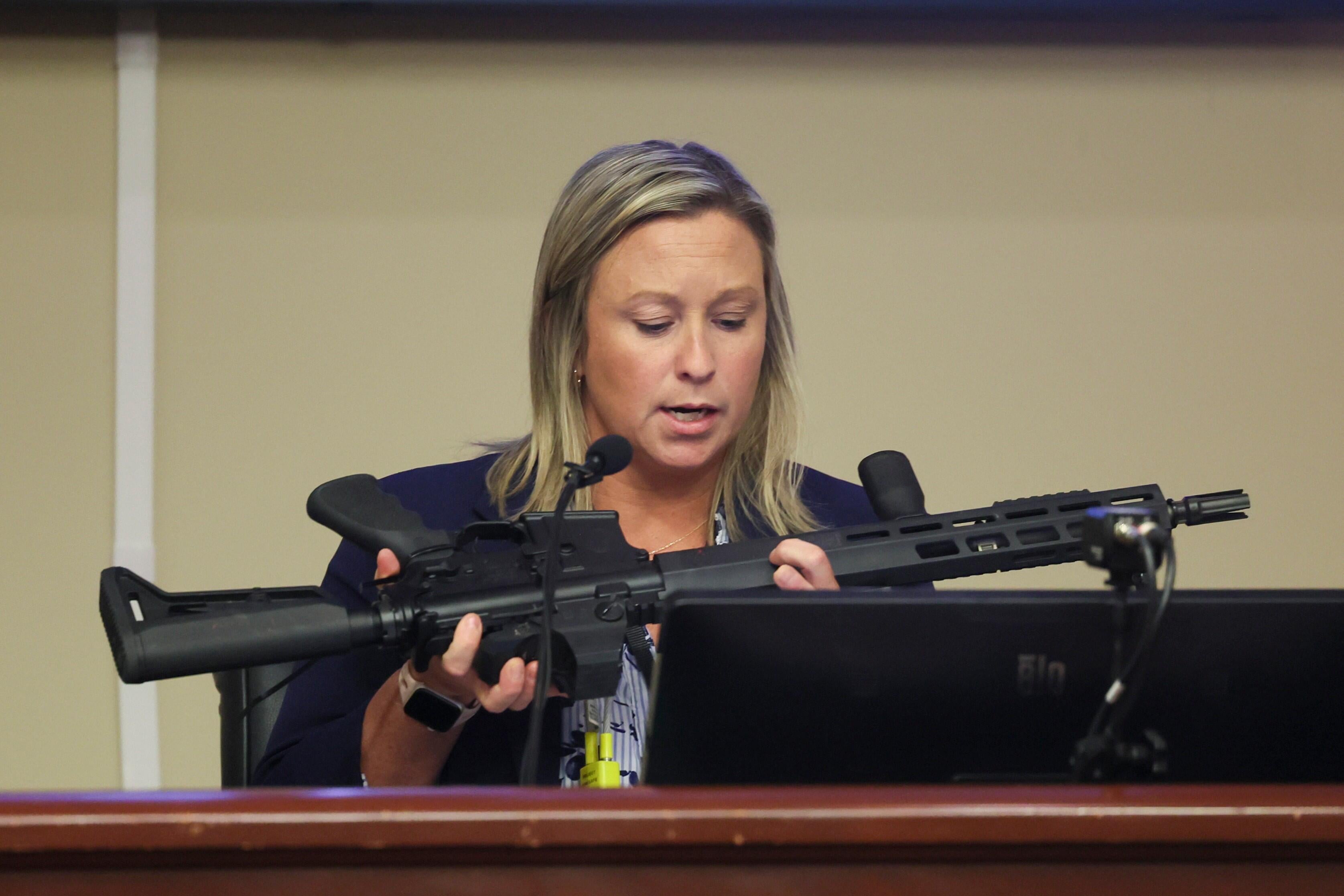
Prosecutors sought to show the attack was deliberate and extensively planned. Investigators testified they recovered notebooks, cellphone evidence, and Discord messages showing Gray’s fascination with previous mass shooters, particularly Parkland gunman Nikolas Cruz. Evidence presented during the hearing included maps of Apalachee High School, writings describing how many people Gray expected to kill or injure, and other materials prosecutors argued documented months of planning before the attack.
In their closing arguments, District Attorney Brad Smith argued that the teen had staged “Easter eggs” and references to other shooters in anticipation for his trial to keep his fame going. “This is not someone in some sort of uncontrollable emotional breakdown. He is still calculating up to the second of the shooting,” Smith told the judge.
Smith argued that Gray also mimicked other shooters in the interviews with investigators afterwards, saying that the teen was “in the midst of their plan.”
Defense Points to Mental Illness and Troubled Childhood
The defense argued Gray’s actions should be viewed through the lens of years of trauma, neglect, and untreated mental illness. Forensic psychologist Dr. Kevin Richards testified that Gray grew up amid financial instability, conflict between his parents, and repeated upheaval at home. Richards said Gray became increasingly isolated, immersed himself in online communities centered on school shootings, and exhibited symptoms of anxiety, depression, and paranoia.
Richards testified that Gray had been prescribed Zoloft, was diagnosed with an unspecified personality disorder, and expressed remorse during interviews, telling him he “knew he screwed up a lot of lives.” During cross-examination, however, Richards acknowledged Gray exaggerated some mental health symptoms and testified he found no evidence Gray suffered from schizophrenia, bipolar disorder, or met Georgia’s legal standard for insanity.
Juvenile Counselor Testifies About Gray’s Behavior
Juvenile counselor Steven Baker testified that Gray followed rules while in custody. He described Gray as cooperative, saying he generally got along with other youths, followed facility rules, and consistently attended psychiatric appointments. Baker testified that Gray was transferred to another juvenile facility after his original facility lost its mental health counselor.
On cross-examination, prosecutors questioned Baker about restrictions inside the facility. Baker testified residents are prohibited from possessing offensive or violent images, including photographs of school shooters, and said rooms are routinely searched and personal belongings screened by security. Baker said he could not recall any disciplinary reports involving Gray possessing prohibited materials or displaying photos of school shooters in his room.
DFCS Commissioner Details Abuse Allegations
The defense also called Georgia Division of Family & Children Services Commissioner Candice Broce, who testified about the agency’s history with the Gray family. Broce said DFCS had longstanding concerns involving the family, including allegations of physical abuse involving Gray and repeated questions about his safety and well-being.
She testified Gray struggled with sleep and engaged in self-harm while in state care, prompting medication changes. According to Broce, Gray’s condition improved after contact with his mother stopped. She said he slept better, ate more, and appeared to become “a different child.” Broce also testified she believed Gray’s mother fueled his growing obsession with school shooters while he was 14 years old.
During cross-examination, prosecutors highlighted DFCS records documenting excessive school absences by Gray and his siblings, concerns about the children’s hygiene, reports of domestic violence between Gray’s parents, allegations of physical abuse, and records showing Gray’s mother tested positive for drugs during the agency’s involvement.
Gray’s grandmother, Debra Polhamus, echoes the sentiments during her testimony, agreeing with the prosecution that the teen’s parents failed him. “I wouldn’t call them terrible but they were pretty close,” she said.
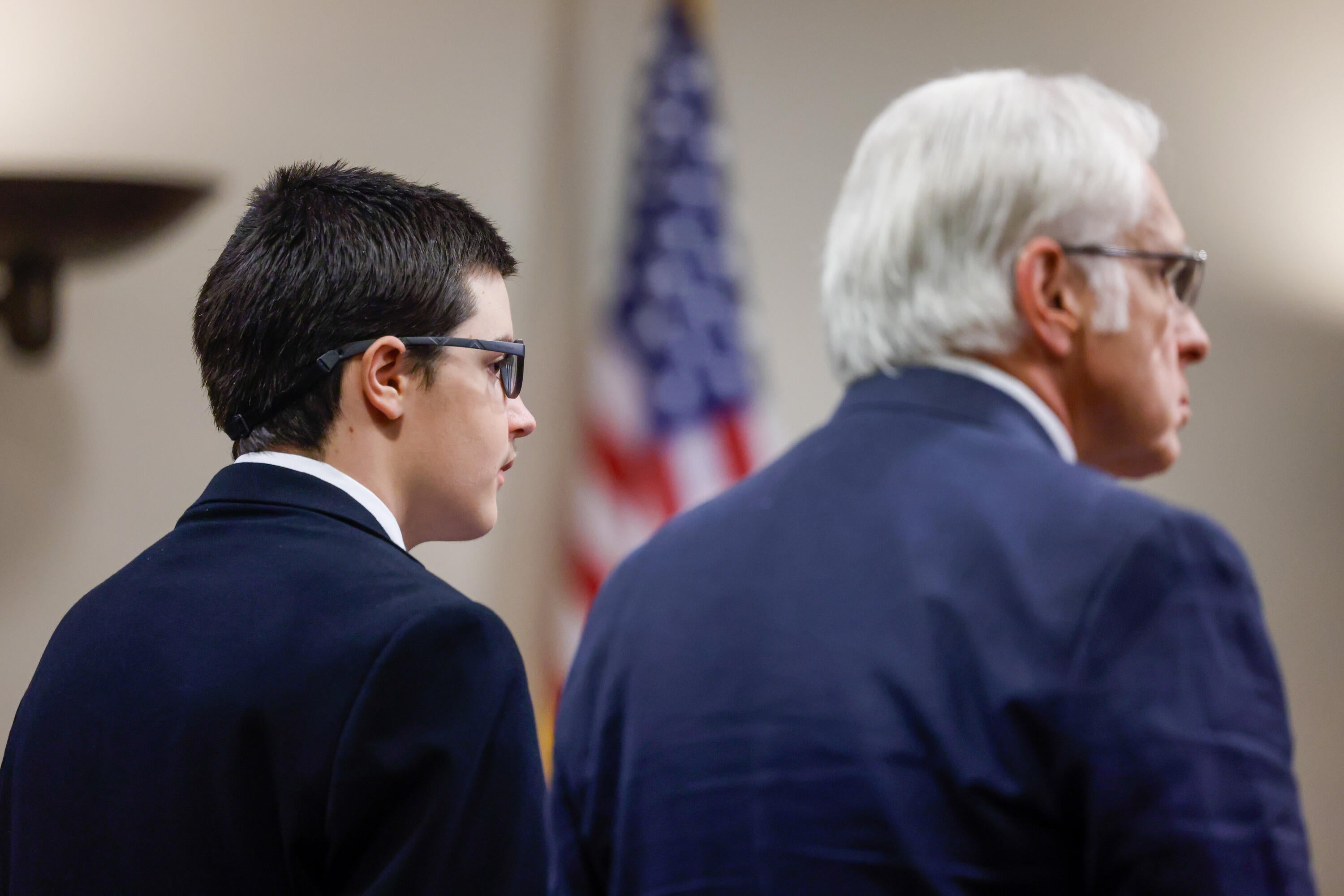
While what Gray did was horrible, defense attorney Charlton Allen argued that he could still be redeemed, and that his time in custody has helped him. “Life without parole is an extreme policy to look at – especially as a teenager,” Allen argued.
Guilty Plea Avoids a Jury Trial
Gray entered a non-negotiated guilty plea last week, acknowledging he understood the charges against him, the constitutional rights he was waiving, and that he was pleading guilty freely and voluntarily. The plea eliminated the need for a jury trial after Judge Primm previously ordered any trial moved to neighboring Columbia County because of extensive pretrial publicity.
Gray’s father, Colin Gray, is scheduled to be sentenced on Thursday after a jury convicted him earlier this year on 27 charges, including second-degree murder, involuntary manslaughter, and cruelty to children. Prosecutors argued he provided the rifle used in the shooting despite repeated warning signs about his son’s deteriorating mental health.
- Author: Tyo Murty















At the moment there is no comment