
Political Expert Unpacks South Carolina Senate Replacement Process

info Adjust the font size of this article to get the best reading experience.
The Process of Replacing a Late U.S. Senator
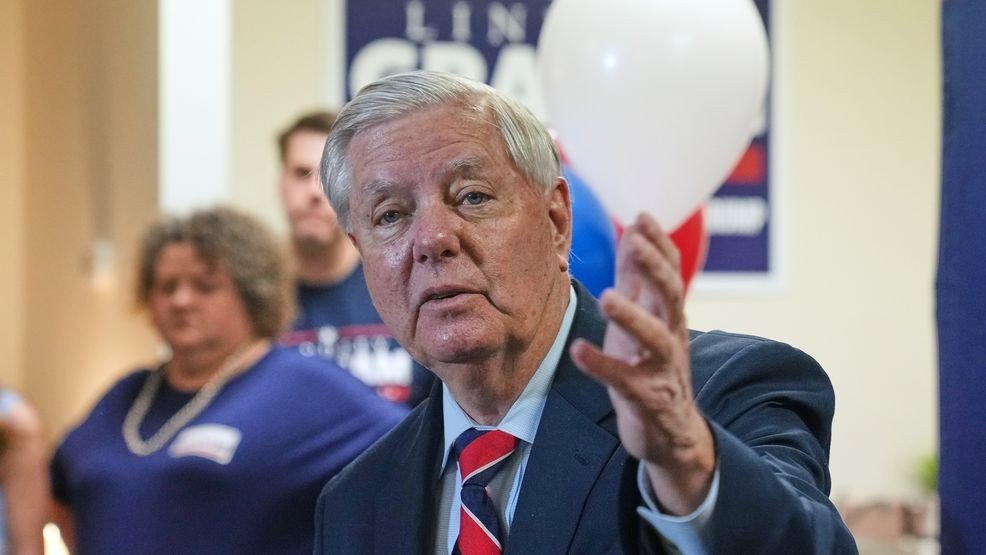
When a U.S. senator passes away, the process of replacing them involves several key steps that are outlined by state and federal laws. In the case of the late Senator Lindsey Graham, who died suddenly at the age of 71 on Saturday, July 11, the situation has sparked discussions about how his seat will be filled.
Western Carolina University political science professor Chris Cooper explained the process to News 13. According to Cooper, the first step in replacing a senator is for the state governor to appoint someone to serve the remainder of the term. In this instance, South Carolina Governor Henry McMaster will make the appointment to fill the rest of Graham’s term, which ends at the end of this year.
Special Election and Runoff Rules
Alongside the gubernatorial appointment, there will also be a special election to choose a new senator. This means that voters will have the opportunity to select someone to replace Graham on the ballot. Cooper emphasized that it is important to distinguish between the two processes: filling the current term and then holding an election for the full six-year term.
According to South Carolina law, the filing period for the special election to replace Graham will open on Tuesday, July 21, and close on Tuesday, July 28. However, the process may become more complex due to the state’s runoff rules. If no candidate receives more than 50% of the vote in the primary, the top two vote-getters will face off in a runoff a few weeks later.
Challenges for Candidates
Dr. Annie Andrews, a Democrat running against Graham for the Senate seat, now faces an uphill battle. With the sudden passing of Graham, her campaign strategy must shift from opposing him to preparing for a completely different opponent. This change requires significant adjustments in both messaging and outreach efforts.
Cooper noted that the political landscape in South Carolina presents unique challenges for Democratic candidates. The state has a strong Republican leaning, which makes it difficult for Democrats to gain traction in statewide elections. As a result, Andrews will need to adapt her campaign to resonate with voters in a way that aligns with the current political climate.
The Role of the Governor
Governor McMaster’s decision on who to appoint will likely be strategic. He may choose someone who aligns with his political views and can help maintain continuity in the Senate. At the same time, the special election will provide an opportunity for voters to express their preferences and potentially influence the direction of the state’s representation in Congress.
As the process unfolds, it will be important to monitor developments closely. The combination of a gubernatorial appointment and a special election creates a dynamic environment where both short-term and long-term implications for the state’s political future will be evident.
- Author: Tyo Murty



















At the moment there is no comment