
Germany’s Economy is in Trouble: The Drastic Reforms Needed to Save Europe’s Engine

info Adjust the font size of this article to get the best reading experience.
Germany’s Economic Challenges in a Changing Global Landscape
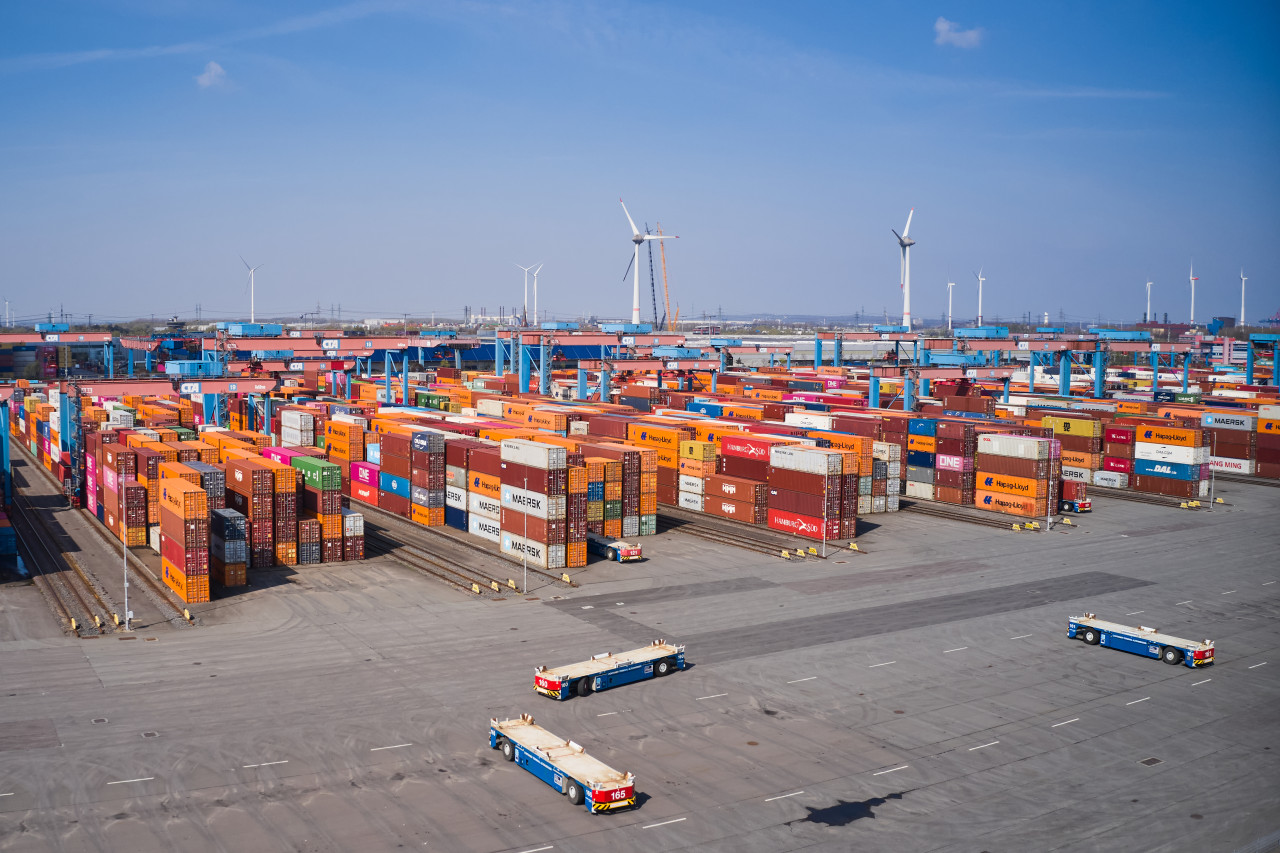
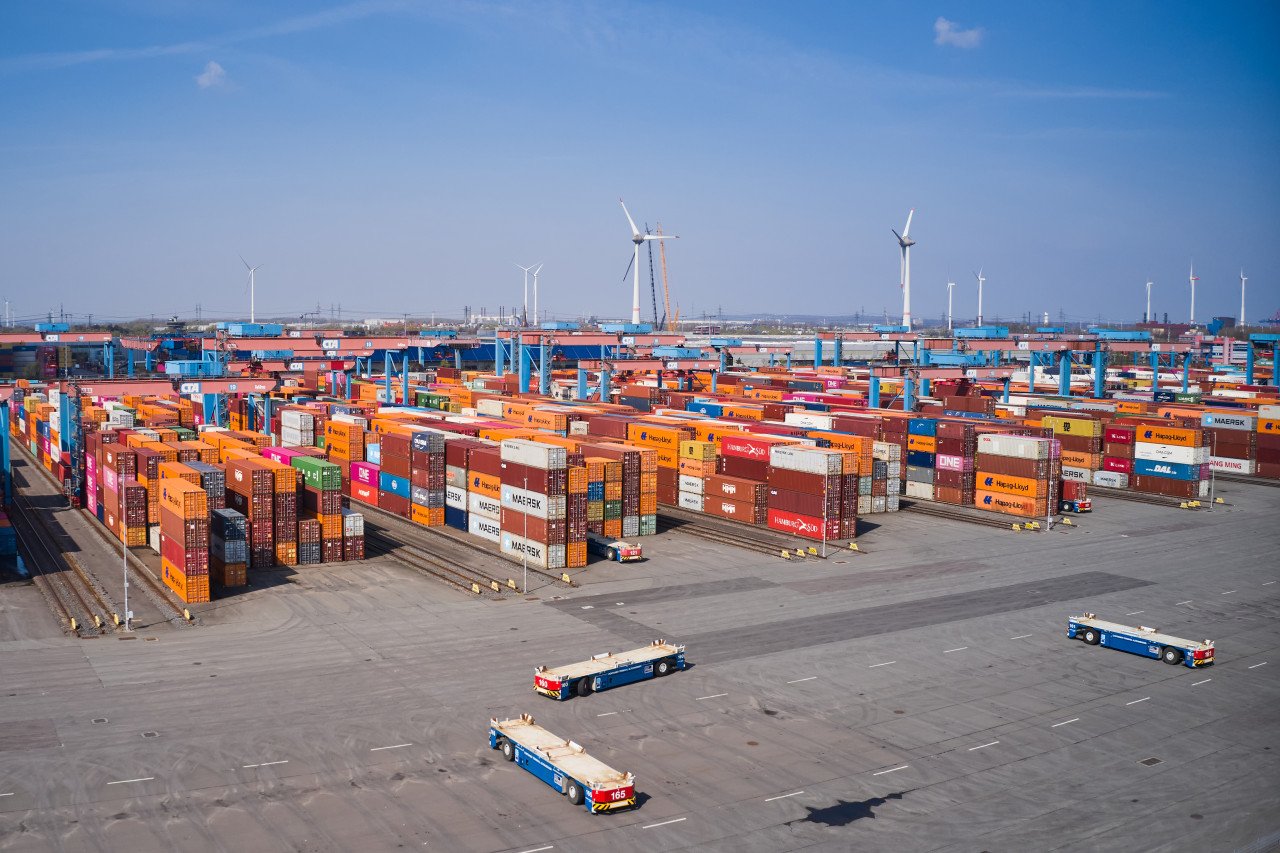
Germany’s economy has long been celebrated for its openness and integration into the global market. For nearly two decades, this openness fueled consistent growth, making Germany one of the most successful economies in the world. However, the very traits that once made it a global leader are now posing significant challenges. The rise of China as a powerful economic force has shifted the balance, creating new vulnerabilities for Germany.
China, once a major consumer of German goods, has evolved into a competitive powerhouse that produces similar products at lower costs and with comparable or even better quality. This shift has led to an influx of Chinese imports into Europe, putting pressure on German companies not only within the continent but also in international markets. As a result, Germany is facing a growing threat from protectionist policies and trade barriers that disrupt its access to essential resources and technologies.
External Shocks and Economic Vulnerabilities
Recent events have underscored the fragility of Germany’s economic position. In June, the United States imposed restrictions on the export of artificial-intelligence models from the company Anthropic, leaving European businesses at a disadvantage. Similarly, Beijing’s decision to limit rare-earth exports during its trade dispute with Washington has had far-reaching effects on German industries, including automotive and defense sectors.
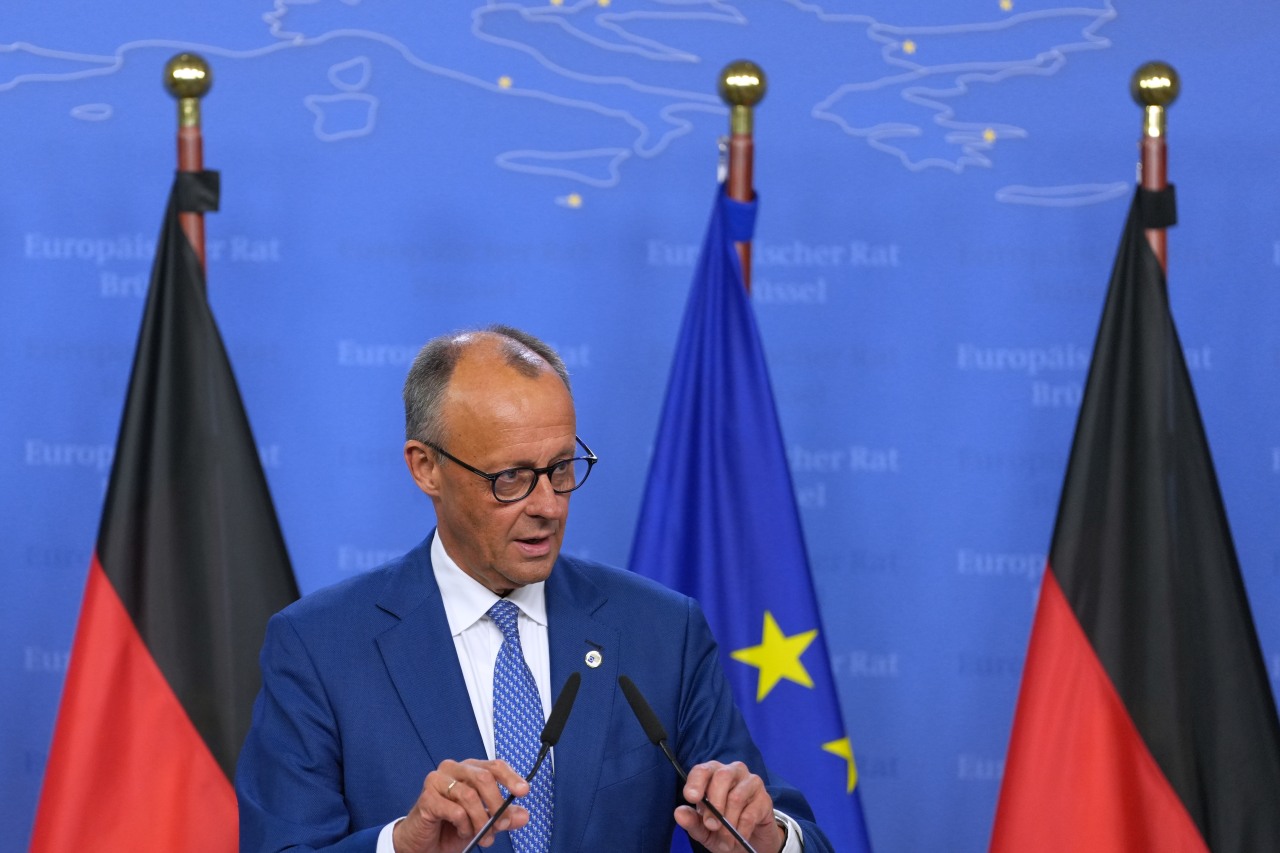
In response, the German government under Chancellor Friedrich Merz has introduced measures such as tax relief for businesses, reductions in energy prices, and increased investments in defense and infrastructure. Despite these efforts, the economy continues to face headwinds. The retirement age is set to be raised from 67 to 70, a move aimed at improving competitiveness by reforming a system funded by both employers and employees.
Economic Indicators and Structural Challenges
Germany’s economic indicators reveal a mixed picture. While unemployment and public debt remain relatively low, other metrics suggest underlying issues. Most economists predict GDP growth of 1% or less this year, a stark contrast to the eurozone average. Investment levels have declined since 2020, while countries like France, Italy, and Spain have seen increases. The number of manufacturing jobs has dropped to its lowest level in a decade, signaling deeper structural problems.
The government’s economic strategy has been disrupted by external shocks, such as the Iran war, which forced a shift in priorities toward gas subsidies rather than welfare reforms. These disruptions highlight the difficulty of maintaining a coherent economic policy in the face of global uncertainties.
Lessons from the Past and the Path Forward
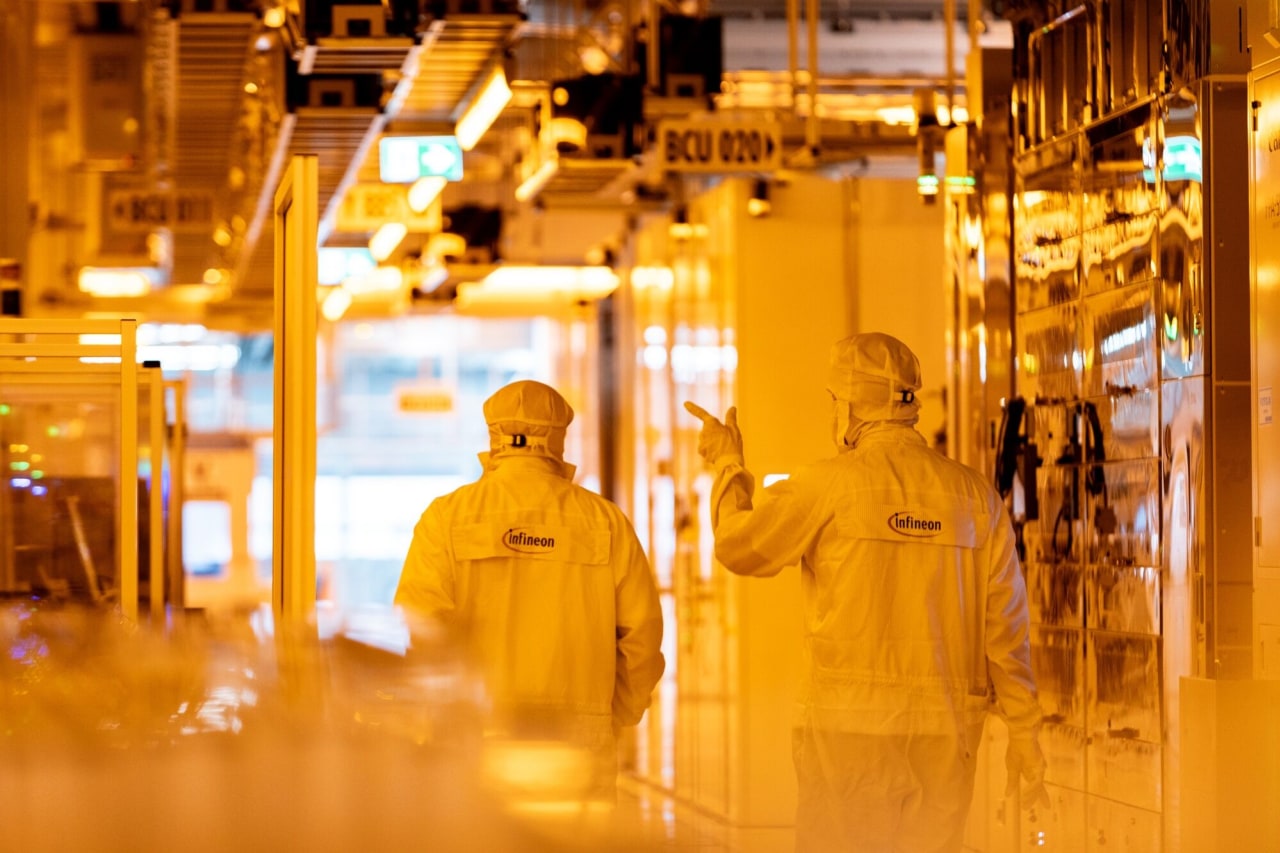
Germany’s last period of economic stagnation occurred in the early 2000s, driven by the costs of reunification and rigid labor laws. The Schröder government implemented significant reforms, including cutting unemployment benefits, allowing employers more influence over wages, and lowering taxes. These changes led to a decline in unemployment and a surge in exports, establishing Germany as the world’s largest exporter for several years.
However, economists argue that Germany has lost some of its competitive edge since then. Even if it regains competitiveness, there is a question of whether foreign markets will continue to demand German products such as cars, medical equipment, and machinery. The challenge lies in adapting to a rapidly changing global landscape where traditional industries may no longer hold the same appeal.
Addressing Bureaucracy and Innovation
Cutting red tape could be a crucial step in revitalizing the German economy. Surveys consistently show that businesses view bureaucracy as a major obstacle, even surpassing the impact of U.S. tariffs. While Berlin has made some progress, it still resists calls to relax labor laws that make it difficult to adjust staffing levels according to demand.
Economist Michael Hüther suggests that clear signals from the government, such as eliminating unnecessary business reporting requirements, could have a significant positive impact. Such measures would help create a more flexible and responsive business environment.
The Role of Artificial Intelligence and Strategic Industries
Artificial intelligence (AI) is becoming a critical factor in economic development. Katharina Erhardt of the Kiel Institute for the World Economy emphasizes that AI is no longer just an input in value chains but a transformative force across all sectors. Ensuring that AI technology is developed locally is essential for maintaining economic independence.
For KfW chief economist Dirk Schumacher, Germany must focus on three key priorities: securing alternative sources of critical raw materials, increasing capital available for startups, and protecting against cheap Chinese imports. Efforts to develop recycling technologies for rare earths and reduce reliance on exotic components are still in their early stages.
Tax reforms and incentives to attract private-equity and institutional investors could help foster innovation. By channeling more savings into the market, pension reforms could also play a role in supporting growth. While Germany has shown willingness to support EU initiatives to curb Chinese imports, the country remains cautious about potential retaliation due to its heavy reliance on Chinese inputs.
As Germany navigates these challenges, the path forward requires a combination of strategic reforms, innovation, and a rethinking of its approach to globalization. The lessons from the past, combined with a forward-looking vision, will be essential in ensuring long-term economic resilience.
- Author: Tyo Murty




















At the moment there is no comment