
A Small Gap Between His Teeth Led to a Life-Changing Diagnosis at Just 25
- account_circle Tyo Murty
- calendar_month Wednesday, 29 Jul 2026
- visibility 11
- comment 0 comment
- print Print

info Adjust the font size of this article to get the best reading experience.
A Teacher’s Journey with Severe Periodontal Disease
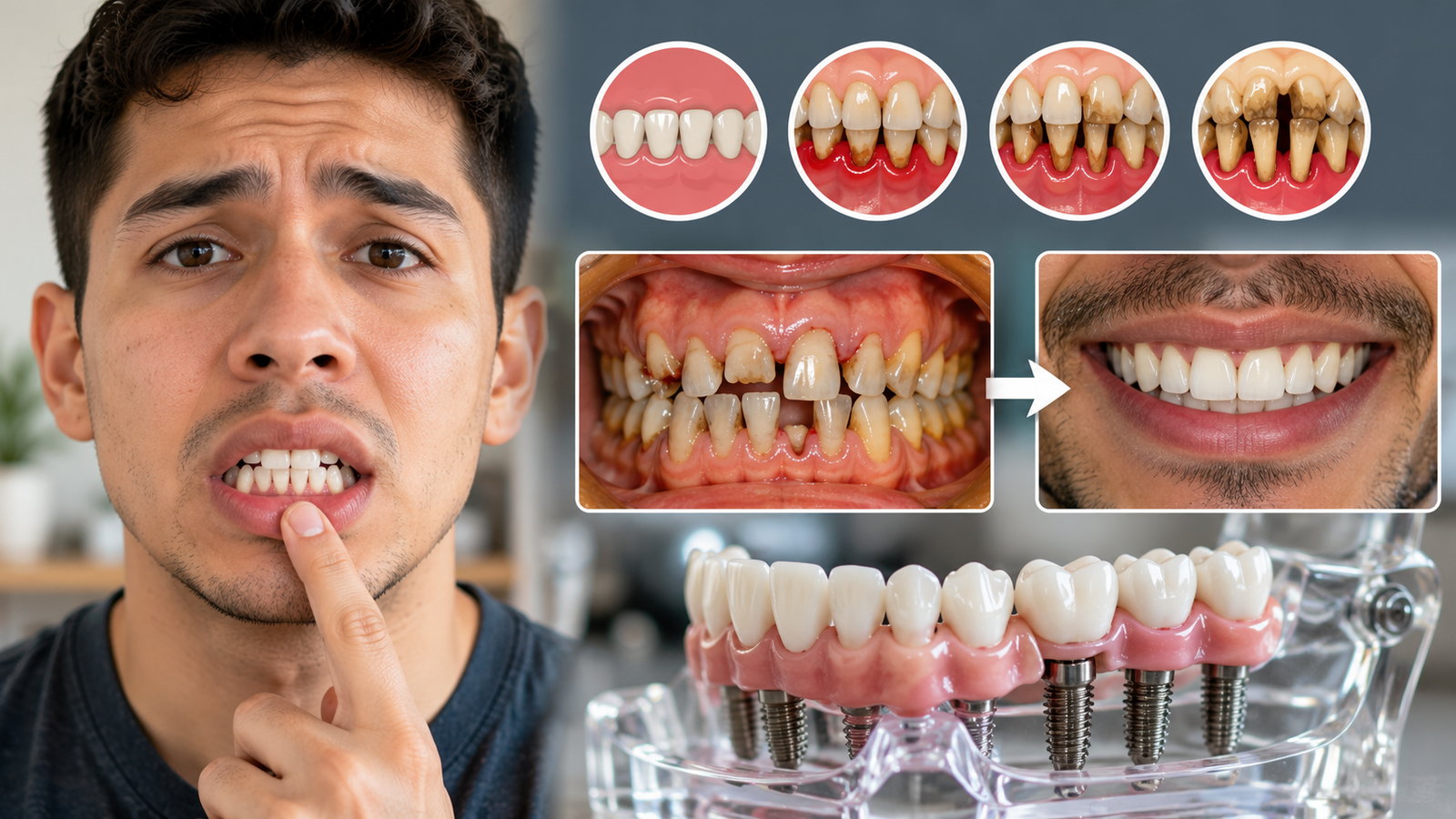
One small gap between Jonathan Peralta Jr.’s front teeth didn’t seem like a reason to panic. But after finishing with his invisible aligners, the 25-year-old high school English and special education teacher watched more spaces appear, his teeth became loose, and one eventually fell out, turning what he thought was a problem with his retainer into a life-altering diagnosis.
Jonathan’s journey began when he noticed gaps forming between his teeth after completing his orthodontic treatment. At first, he assumed the issue was related to his retainer or something minor had gone wrong. However, as the looseness spread from his lower front teeth to his upper teeth, it became clear that something more serious was happening.
The changes became impossible to ignore. “It started with my lower front teeth, then quickly spread to my upper front teeth, and eventually one of my teeth actually fell out,” he recalls. As his teeth continued to shift, Jonathan noticed another symptom he couldn’t explain—despite brushing, flossing, and taking what he believed was good care of his teeth, his breath became noticeably worse, something his fiancée gently pointed out as well.
He returned to the dentist who had overseen his previous orthodontic treatment, expecting a simple adjustment to close the gaps. Instead, the appointment became the moment he realized he was dealing with something far more serious.
“I was told that I had the bone loss of a 65-year-old man,” Jonathan says. “That was the moment I realized this wasn’t an orthodontic issue at all; it was something much more serious.”
Doctors ultimately diagnosed Jonathan with a severe genetic case of periodontal disease, an infection and inflammatory disease that damages the gums and the bone supporting the teeth. By the time he received answers, he says he had already lost nearly 80% of the bone supporting his teeth, leaving them too unstable to be saved.
Understanding the Progression of Periodontal Disease
One of the hardest things to process was learning how quietly the disease had progressed. “Periodontal disease can progress without causing severe pain, making it easy to underestimate how serious it has become,” Jonathan explains. “By the time enough supporting bone is lost, the teeth can no longer remain stable.”
The diagnosis came as a shock for someone who had always associated severe gum disease with much older adults. Looking back, Jonathan says he wishes he had recognized that the symptoms he dismissed were warning signs that needed immediate attention.
Sharing his story publicly has since given his experience a new purpose. Thousands of people reached out after seeing his TikTok, telling him they finally scheduled dental appointments after recognizing the same symptoms or realizing they had been putting off care because of fear, embarrassment, or financial concerns.
The Impact of Public Storytelling
Jonathan ultimately underwent full-mouth dental implants after learning his natural teeth could no longer be saved. Now, he hopes sharing his story will encourage others to seek treatment before their symptoms progress that far.
“I wish I had known that bleeding gums, gum recession, loose teeth, and persistent bad breath are never normal and should be taken seriously as early as possible,” Jonathan says. “I also wish more people understood that periodontal disease can affect younger adults, even when they think they’re doing everything right.”

Key Takeaways from Jonathan’s Experience
- Periodontal disease can develop silently without causing significant pain, making it difficult to recognize until it’s advanced.
- Symptoms such as bleeding gums, gum recession, loose teeth, and persistent bad breath should not be ignored.
- Early intervention is crucial in preventing severe damage to the gums and supporting bone structure.
- Younger adults are not immune to periodontal disease, even if they maintain good oral hygiene.
- Sharing personal stories can raise awareness and encourage others to seek timely dental care.
- Author: Tyo Murty
















At the moment there is no comment