
Bison Speak: How to Stay Safe at Antelope Island State Park
- account_circle Tyo Murty
- calendar_month Wednesday, 15 Jul 2026
- visibility 15
- comment 0 comment
- print Print

info Adjust the font size of this article to get the best reading experience.
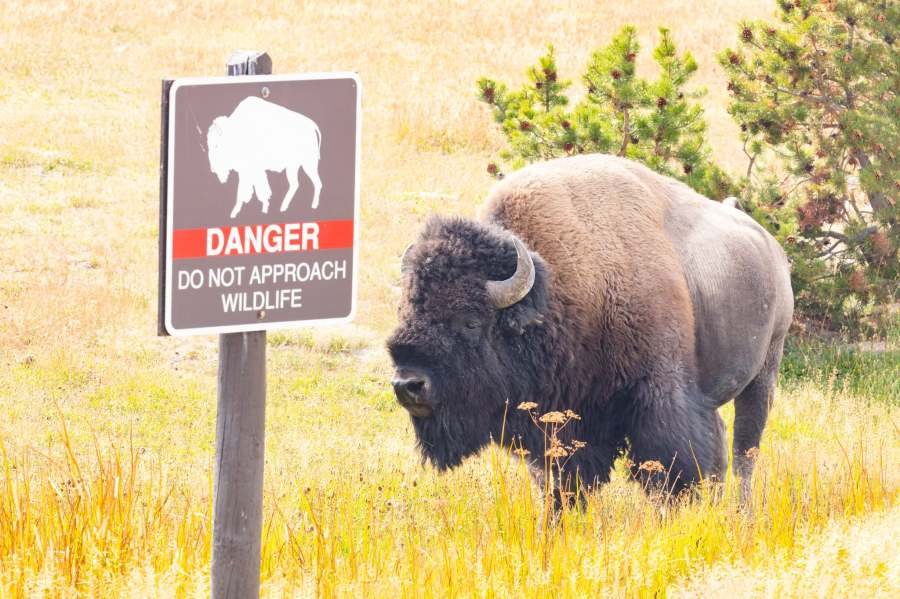
ANTELOPE ISLAND, Utah — A 65-year-old man was thrown at least eight feet into the air by a bison in Yellowstone National Park, prompting officials at Antelope Island State Park to share critical safety advice for visitors. The man was hospitalized but did not suffer serious injuries. However, experts emphasize that even seemingly docile bison can pose significant risks if approached improperly.
Ben Morris, an expert with Utah State Parks, explains that bison in both Yellowstone and Antelope Island are “highly habituated,” meaning they are unlikely to charge unless they feel threatened. Despite this, he warns that there is still danger involved when interacting with these animals.
Morris highlights a 2020 incident where a man stumbled upon a bison while running. Due to the animal’s near-sightedness, it only realized the man was close too late. This tragic event underscores the importance of maintaining a safe distance from bison at all times.
One of the best ways to avoid such situations is to follow the “thumb rule.” Morris suggests holding your hand up, looking at your thumb, and keeping the bison within the edges of your thumb. This distance equates to roughly 80-100 yards, which is considered a safe range to observe bison on Antelope Island. However, he notes that this rule is not foolproof, as a tourist in Yellowstone followed it and was still charged by a bison.
The reason for the attack, according to Morris, was that the bison was in breeding season and had been pushed out of the herd. As a result, it was agitated and willing to confront anything nearby. “Bison will tell you how they feel,” he said. Signs like lowering their heads or stamping their feet are clear warnings to back away immediately.
As the largest land animals in North America, bison rarely pay attention to humans unless they perceive them as a threat. If a bison turns to look at you, that is a critical signal to take action. “They’re not going to be aggressive unless they feel threatened,” Morris explained.
In the event of an attack, Morris advises putting something between yourself and the bison. He emphasized that you cannot outrun a bison, as they can reach speeds of up to 40 miles per hour and are extremely agile over rough terrain. If no other option is available, especially on treeless islands, experts recommend lying down and protecting your head and neck, similar to precautions taken during a grizzly bear encounter.
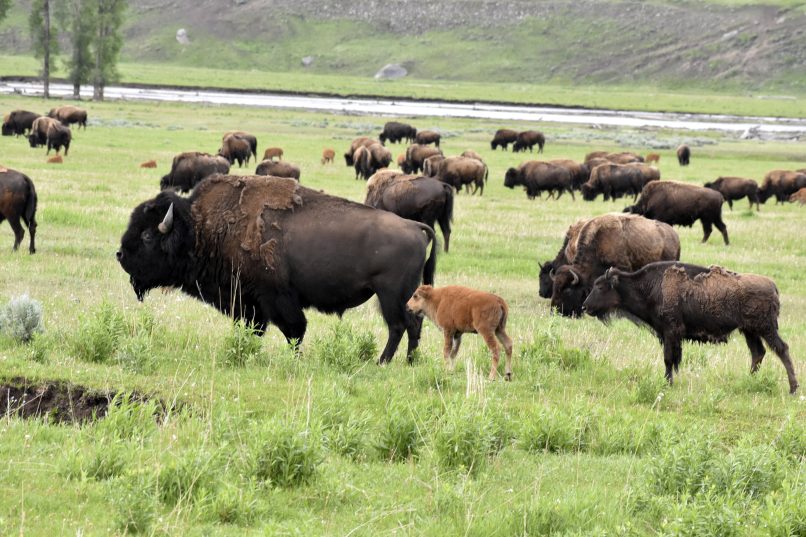
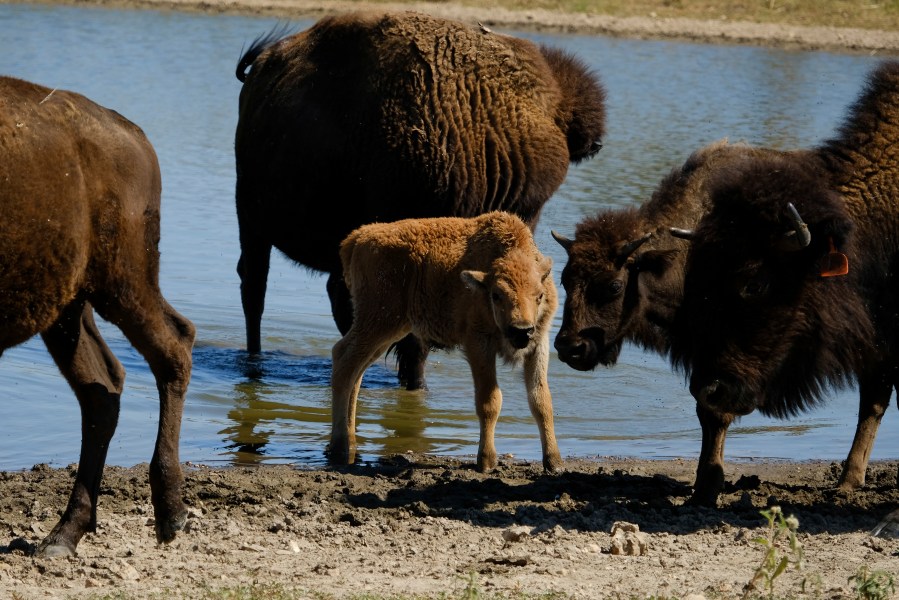
Summer is peak breeding season for bison, which can lead to increased protective behaviors. However, Morris stresses the importance of giving space to even young calves, often referred to as “red dogs.” These calves are incredibly strong, as Morris recounted an experience where a few-month-old calf pushed him against a wall repeatedly in a barn.
Currently, approximately 250 calves are spread across Antelope Island, with over 700 bison visible. While encountering these majestic creatures is a thrilling experience, visitors are urged to stay in their vehicles and view the wildlife from a safe distance.
For more information on bison safety and park guidelines, visit the Department of Wildlife Resources’ website.
Latest headlines:
‘Number one weather killer is heat’: Climate scientist speaks on future of Utah’s temperatures after heat wave
Man hospitalized after vehicle fire caused by lighting cigarette near containers of gasoline
Lightning-caused Buck Basin Fire grows to 131 acres near Currant Creek Reservoir
Danny Ainge elected to College Basketball Hall of Fame
‘Too close for comfort’: Rabbi speaks after fire threatens Salt Lake City synagogue
- Author: Tyo Murty

















At the moment there is no comment