
’20 Minutes to Live’: The Shocking Truth About Russia’s Desperate War Machine and Looming Mutiny Threats

info Adjust the font size of this article to get the best reading experience.
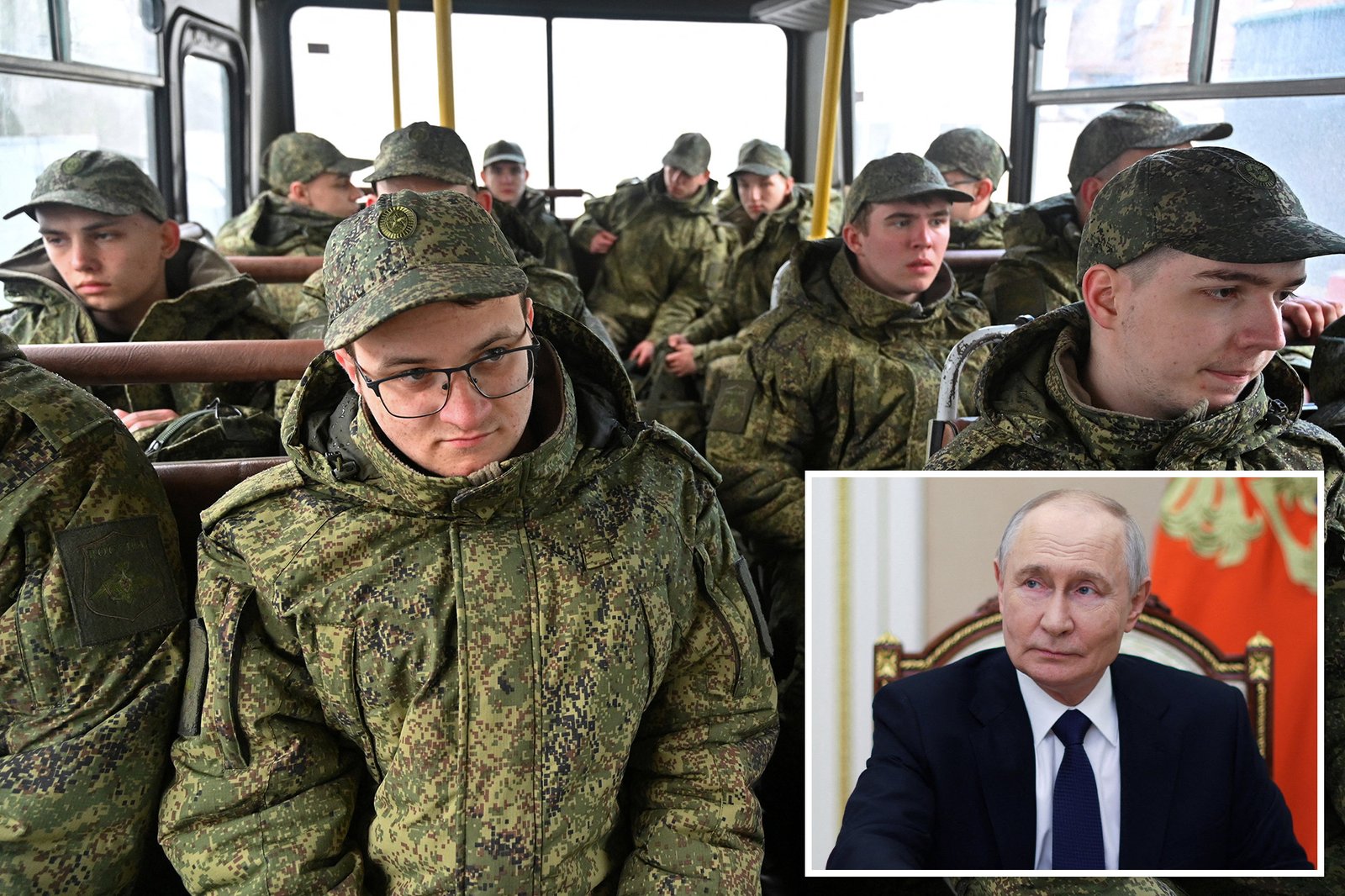
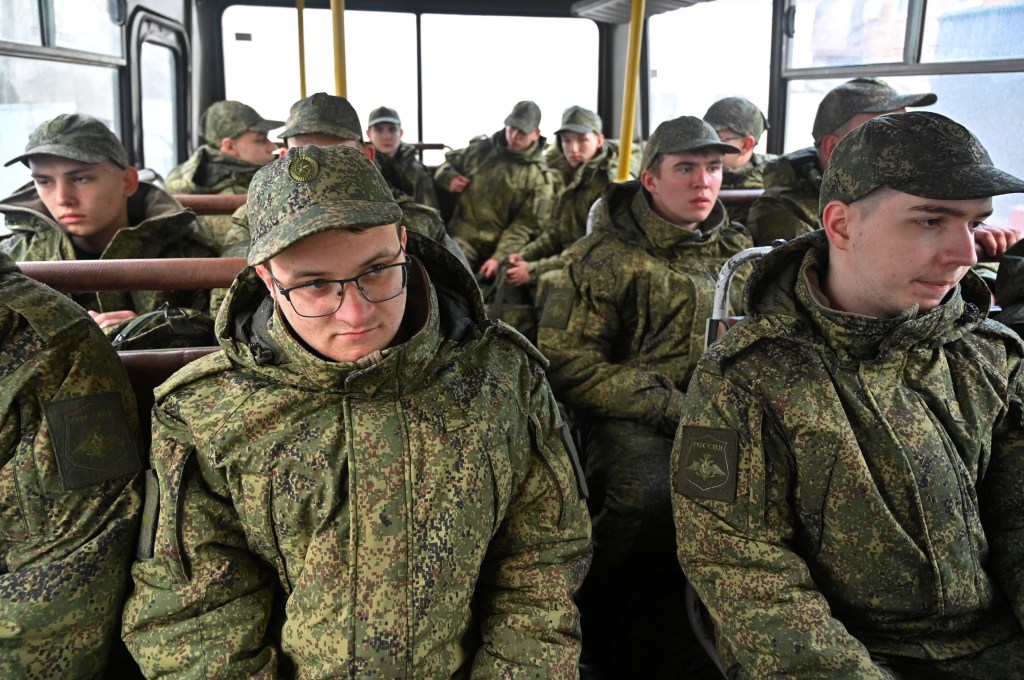
New Russian recruits face an alarming reality: their life expectancy in combat in Ukraine is just 20 to 35 minutes, according to reports that highlight the deadly impact of drone warfare on Vladimir Putin’s forces. This grim statistic underscores how quickly Russian soldiers are falling victim to the evolving tactics used by Ukrainian forces.
Once a soldier is enlisted, he can expect to live only 10 days to three weeks, from the moment he arrives at the training ground until his death in combat, as noted by historian Peter Frankopan in an op-ed for Foreign Policy. His insights are based on information from Russian military bloggers, who provide a stark view of the current situation on the front lines.
As the conflict in Ukraine approaches its four and a half-year mark, Russian military officials are urgently seeking new recruits to sustain the war effort. The pressure to replenish the ranks has led to a significant increase in the number of conscripts, with some sources indicating that over 420,000 new soldiers were recruited in late 2025. However, these numbers have reportedly declined by about 30% this year, even according to state media.
According to military bloggers, Russia continues to recruit approximately 800 to 1,000 voluntary contract soldiers each day. Many of these recruits receive minimal combat training before being deployed into the fray. This rush to fill the ranks has contributed to a sharp rise in casualties, with average monthly losses now exceeding 30,000. Various Western sources estimate that more than 1 million Russian soldiers have been lost since the war began in February 2022.
Russia, which has a population of about 143 million, is experiencing eight casualties for every one lost by Ukraine, according to estimates cited by Frankopan. In an effort to attract volunteers, some recruits are offered sign-up bonuses of up to $80,000 and up to $140,000 in debt relief. For context, the average monthly salary in Russia is around $1,000, and significantly lower in many remote regions where recruitment efforts are concentrated.
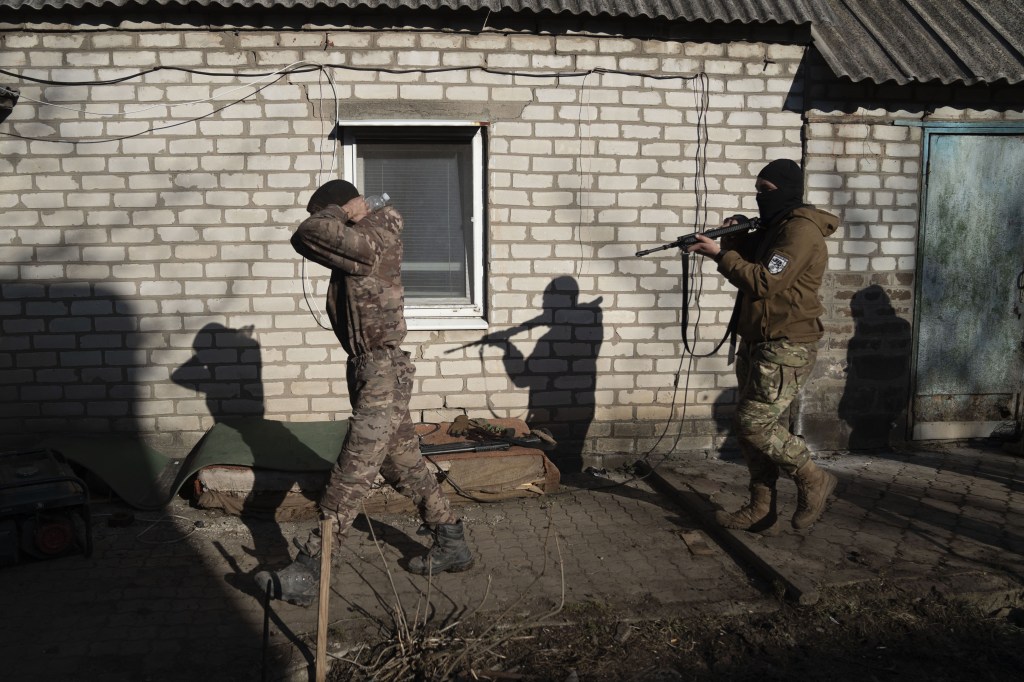
The high casualty rate is largely attributed to the increasing use of drones by Ukrainian forces, which have become one of the most effective weapons in the conflict. These unmanned aerial vehicles have not only targeted Russian positions but have also struck deep within Russian territory. One notable example was a massive attack on Moscow’s largest oil refinery in June, which has reportedly kept it out of operation until next year.
Ukrainian drones have also reduced Russia’s oil refining capacity by an estimated 700,000 barrels per day, according to Reuters. As a result, more than half of Russia’s regions are now rationing fuel, a shocking development for the world’s third-largest fuel producer.
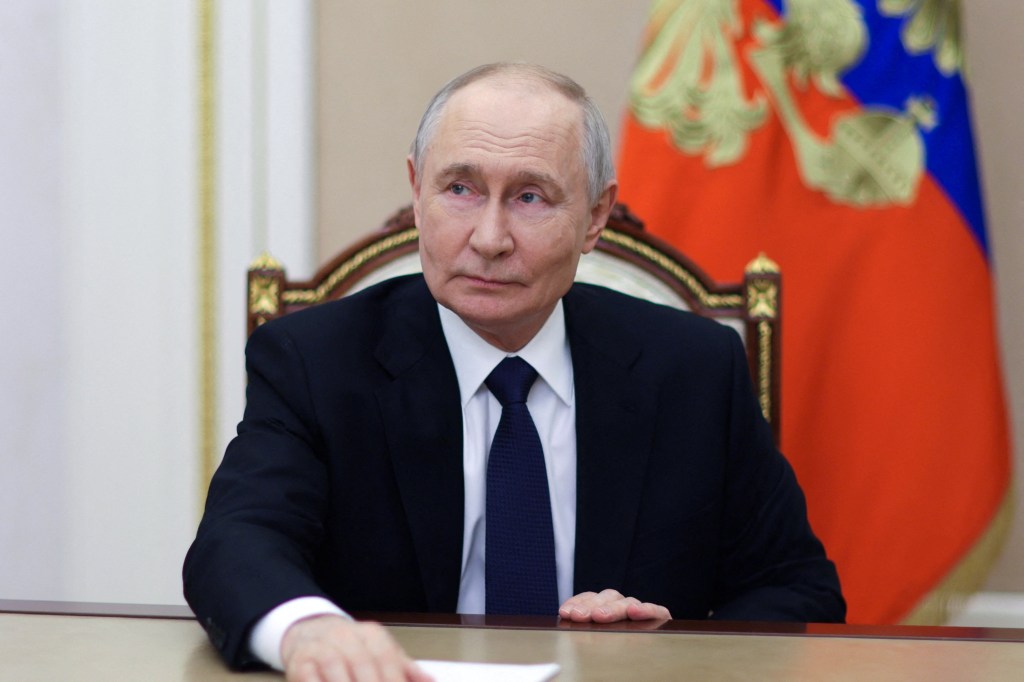
Russia is now allocating more than half of its state budget to the military, with experts warning that the country’s economy is teetering on the brink of collapse. A Russian blogger and Ukraine war veteran named Aleksandr Lunin has accused Russian commanders of regularly torturing their own soldiers. He has also warned of the possibility of a mutiny, claiming that if a live, on-air meeting with Putin does not happen, “the army will turn its weapons against the Kremlin.”
Despite these concerns, Frankopan, a professor of global history at the University of Oxford, believes that a revolution is unlikely. Instead, he suggests that Putin may feel he has less to lose by escalating the conflict. “Beware the drowning man: The coming months will likely be dangerous outside and inside Russia as Putin tries desperately to stay afloat,” he wrote.
- Author: Tyo Murty


















At the moment there is no comment