
Half of New Car Registrations Are Eco-Friendly This Year

info Adjust the font size of this article to get the best reading experience.
Rise of Eco-Friendly Vehicles in South Korea
South Korea has seen a significant shift in its automotive market, with eco-friendly vehicles making up more than half of new car registrations in the first half of this year. This marks a milestone in the country’s transition towards sustainable transportation.
According to data from the CarIsYou Data Research Center, which analyzed government statistics, eco-friendly vehicles accounted for 50.4 percent of all new car registrations during the January-June period. This amounted to 429,163 units out of a total of 851,833 newly registered vehicles. The term “eco-friendly” includes battery electric vehicles (BEVs), gasoline hybrids, and hydrogen fuel-cell models.
This increase represents a steady upward trend over the years. In 2020, eco-friendly vehicles made up just 9.1 percent of new registrations. By 2023, that number had risen to 25.5 percent, and by 2025, it reached 38.5 percent. This growth highlights a growing consumer preference for environmentally conscious options.
Decline in Gasoline-Powered Vehicles
In contrast, the share of gasoline-powered vehicles dropped to 39 percent in the first half of the year, falling below the 40 percent threshold for the first time since 2016. At that time, gasoline vehicles accounted for 39.9 percent of new registrations. This decline signals a shift in consumer behavior and policy support towards cleaner alternatives.
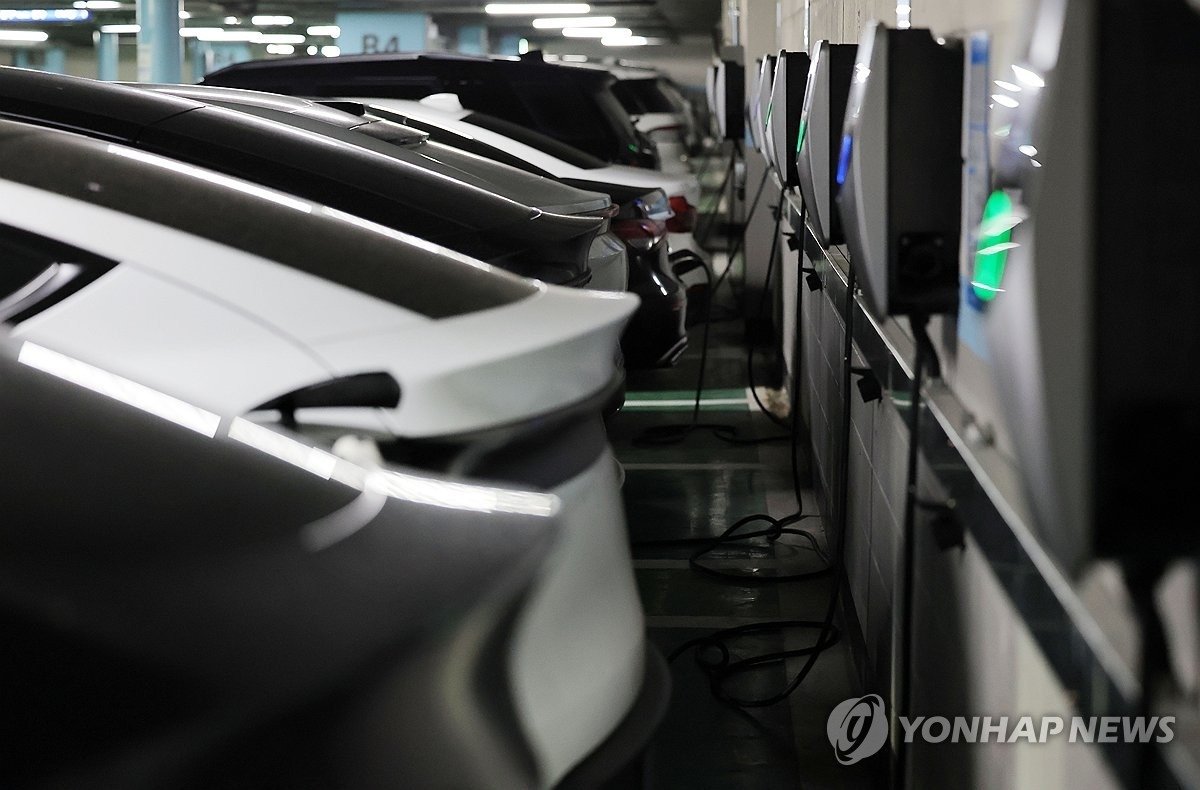
The surge in electric vehicle (EV) sales played a key role in this transformation. EV registrations increased by 112.6 percent compared to the same period in the previous year, reaching 198,969 units. This makes EVs the only major powertrain category to show year-over-year growth.
Factors Driving the Growth
Industry officials attribute this growth to several factors. One key reason is the expanded lineup of new EV models available to consumers. As more automakers introduce a variety of electric options, the market becomes more competitive and accessible.
Another important factor is the early disbursement of government EV subsidies. These incentives have made it more affordable for consumers to switch to electric vehicles. Combined with improved technology and infrastructure, such as charging stations, these policies have helped eco-friendly vehicles become mainstream in the domestic auto market.
Future Outlook
With the continued push for sustainability and stricter environmental regulations, the momentum behind eco-friendly vehicles is expected to grow. As more consumers embrace electric and hybrid options, the automotive industry in South Korea is likely to see further changes in the coming years.
- Author: Tyo Murty




















At the moment there is no comment