
How to Avoid Blood Clots on Long Flights (And What Top Airlines Are Doing)
- account_circle Tyo Murty
- calendar_month Saturday, 18 Jul 2026
- visibility 14
- comment 0 comment
- print Print


info Adjust the font size of this article to get the best reading experience.
The Hidden Risks of Long-Haul Flights
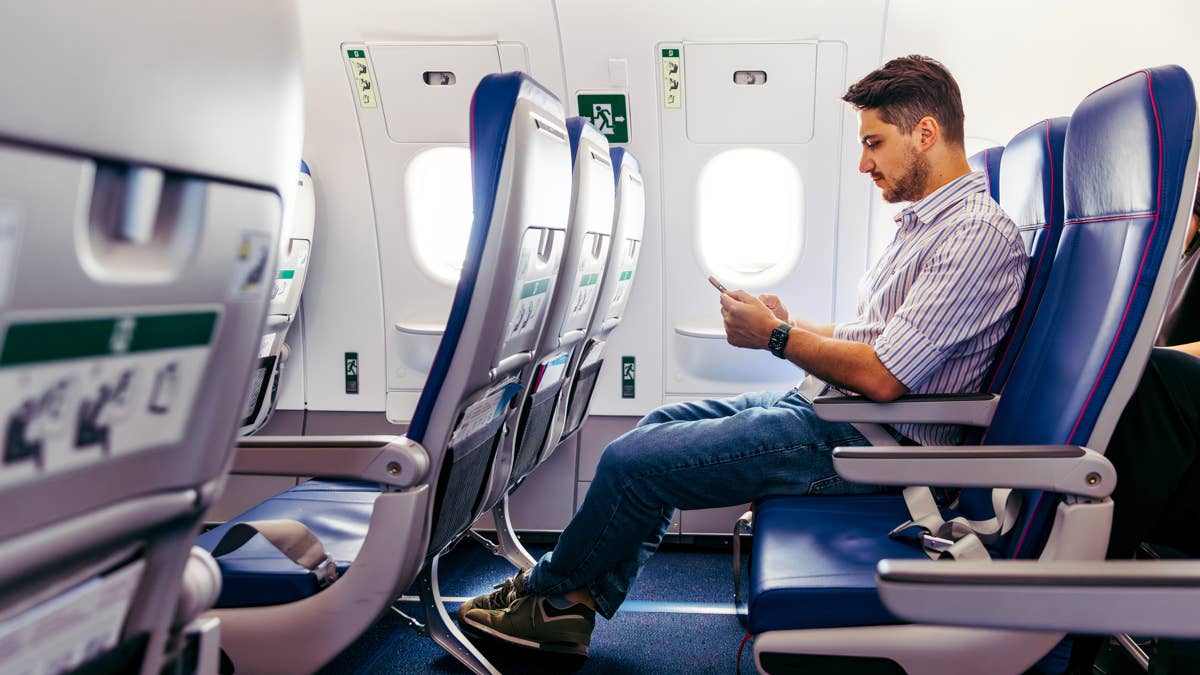
You board a 14-hour flight to Tokyo, settle into your seat, and don’t move again for six hours. That’s when the damage starts. Blood pools in your legs, circulation slows, and your body begins working against you. By the time you land, you’re not just jetlagged. You’re inflamed, dehydrated, and physically compressed in ways that will affect your training and recovery for days.
The good news is that this is preventable, and the strategies aren’t complicated. Some airlines are even starting to build them directly into the premium experience.
The Science Behind What Happens on a Long Flight
The primary risk of long-haul flying is deep vein thrombosis, or DVT, which occurs when blood clots form in the deep veins of the legs during extended periods of immobility. The CDC has documented this clearly.
Those flights we take have a compounding effect of restricted circulation, dehydration, and cabin pressure changes that affect nearly every passenger on a long flight, not just the small percentage who develop clinical DVT. For performance-focused travelers, the impact goes beyond acute risk. Prolonged sitting reduces oxygen delivery to working muscles, slows lymphatic drainage, and creates the kind of systemic inflammation that leaves you feeling wrecked for days after landing. A single transatlantic flight, mismanaged, can undo a week of recovery work.
What Actually Works Onboard
Movement is the single most important variable, and it doesn’t require anything elaborate. Get up and walk the aisle at least once an hour on flights longer than four hours, more often if the crew allows it. Walking activates the calf muscle pump, which is the mechanism your body uses to push blood back up from your legs against gravity. When you sit still for hours, that pump stops working and blood begins to pool.
In-seat exercises fill the gaps between aisle walks. Ankle rotations, seated calf raises, and slow leg lifts all activate the calf pump without requiring you to leave your seat, while shoulder rolls and neck stretches address the postural compression that builds up during hours in a cramped position. None of this is dramatic, but all of it is backed by research from major medical institutions, including direct guidance from the CDC.
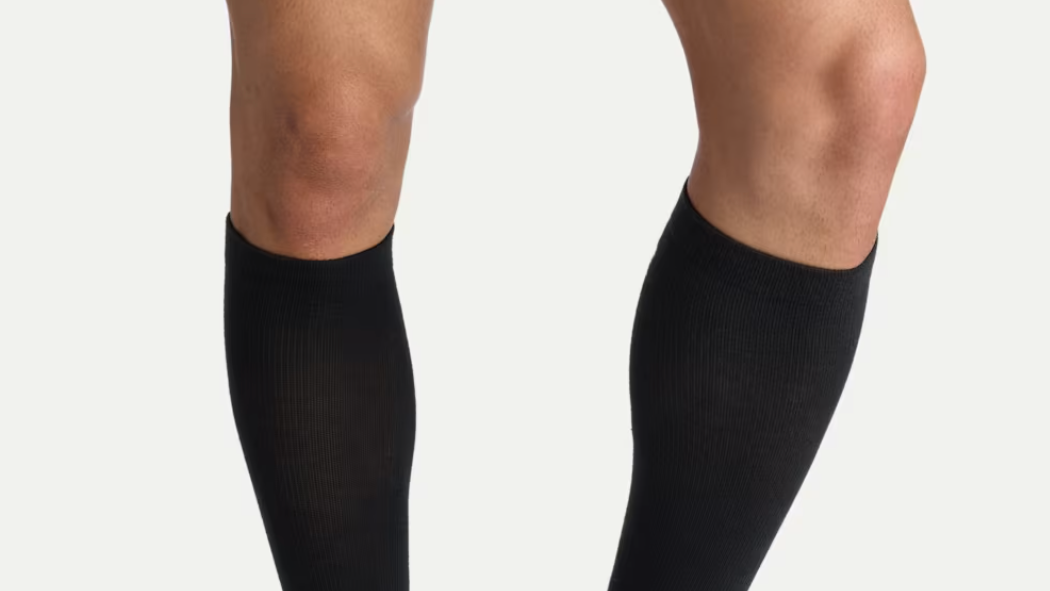
Compression socks are the other variable worth taking seriously. Graduated compression from ankle to knee has been shown to improve venous return and reduce lower-leg swelling on long flights. Brands like VIM & VIGR make athletic options that don’t look like medical-grade equipment, and for anyone flying longer than six hours regularly, they’re worth the investment. The Men’s Travel Compression Knee High Socks (15–20mmHg) from Bombas are a great pick.
Hydration: The Most Under-Managed Factor
Hydration is the last piece, and the most under-managed. Cabin air is significantly drier than what your body is used to, and most people don’t drink enough water during a flight to compensate. Aim for at least eight ounces of water for every hour in the air, skip the alcohol, and limit the coffee. Both accelerate dehydration in an environment already working against your fluid balance.
Luxury Airlines Are Redefining Travel
Premium travel has quietly evolved into something closer to a wellness product than a comfort upgrade. Qatar Airways has made this shift explicit at their flagship Al Mourjan lounge in Doha, which now includes a dedicated wellness area with yoga mats, guided meditation sessions, and shower suites stocked with luxury toiletries designed to help travelers refresh before or after long flights. Their Business Class Qsuite has repeatedly won World’s Best Business Class awards, and physical recovery is central to that positioning, not an afterthought.
Etihad has taken a similar approach with their First Class Lounge in Abu Dhabi, which includes a full fitness room alongside spa services and shower facilities. Their onboard First Class product features fully lie-flat beds with premium linens designed to actually let you sleep on long-haul segments, one of the most important recovery variables when you’re crossing multiple time zones.
The pattern across all of these carriers is consistent. Premium travel is no longer just about lie-flat seats and champagne. Increasingly, it’s about arriving in a state where you can actually function.
How to Build Your Own Protocol
Even without a business class ticket, most of the wellness benefits of premium flying are accessible with the right strategy. Book flights that allow for real sleep instead of red-eyes that trash your circadian rhythm. Pack compression socks and actually wear them. Choose loose, comfortable clothing that doesn’t restrict circulation, and set an hourly alarm on your phone as a reminder to move, even if it’s just ankle rotations from your seat. Hydrate deliberately instead of passively.
If you have status or the ability to upgrade, take advantage of premium lounges that offer showers, gyms, or quiet rooms before your flight. Even 30 minutes of movement or a proper shower before boarding a long-haul flight can dramatically change how you feel on the other end.
Long flights don’t have to trash your training. They just need to be treated like any other stressor: prepared for, managed actively, and recovered from with intention. The people who fly the most understand something the rest of us often miss, which is that the flight itself is a kind of workout. What you do in the air determines how quickly you get back to what actually matters once you land.
- Author: Tyo Murty




















At the moment there is no comment