
This “Failed” 1962 Sports Car Was Decades Ahead of Its Time—And It Secretly Inspired the Mustang

info Adjust the font size of this article to get the best reading experience.
The 1962 Studebaker Avanti: A Visionary in Automotive History
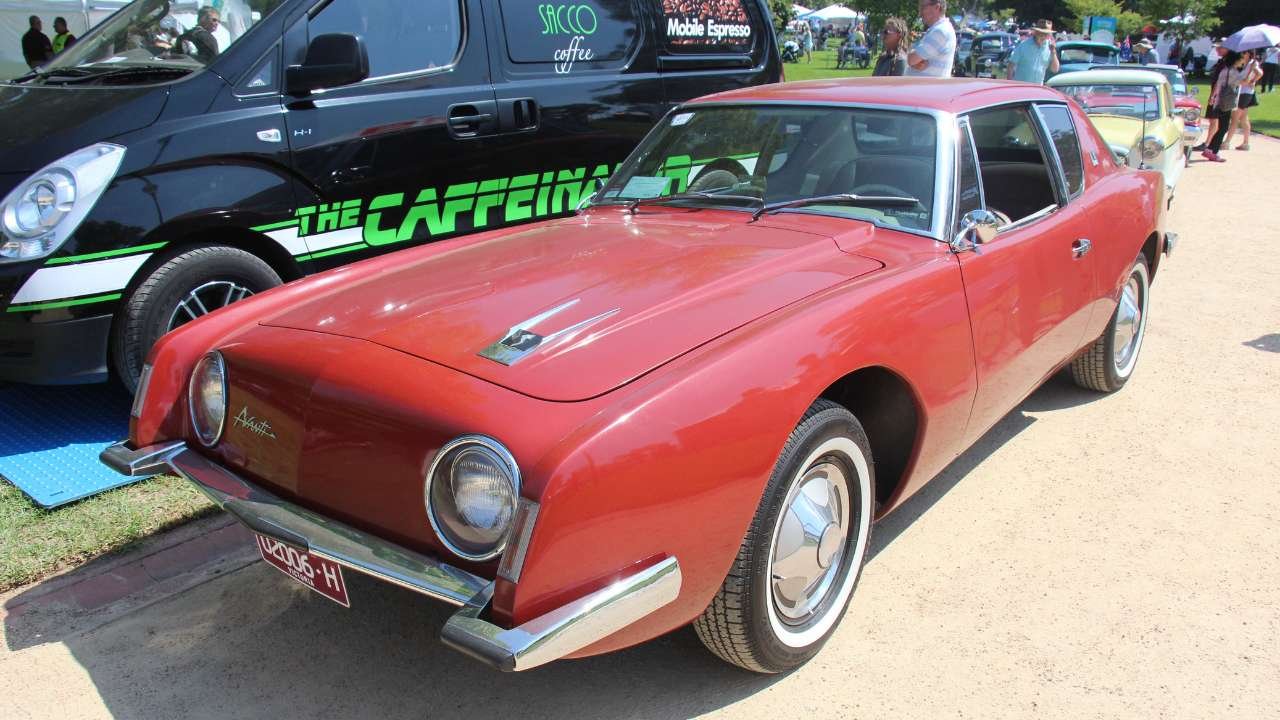
The 1962 Studebaker Avanti stands as a remarkable example of automotive innovation, showcasing a design and technology that were far ahead of its time. Its striking aesthetics and advanced features have captured the attention of car enthusiasts and historians alike, offering a glimpse into the evolution of American automotive culture.
Design Philosophy
The design philosophy behind the 1962 Studebaker Avanti was truly groundbreaking, with a strong emphasis on aerodynamics and modern styling. This approach not only enhanced the vehicle’s performance but also gave it a distinctive presence on the road. The Avanti’s streamlined silhouette and low profile were heavily influenced by the aesthetics of the Jet Age, a period when speed and efficiency were highly valued.
The design team, led by renowned industrial designer Raymond Loewy, incorporated elements that were both functional and visually appealing. For instance, the concave rear window was not just a stylistic choice; it was engineered to improve airflow and reduce drag. Additionally, Italian design played a significant role in shaping the Avanti’s aesthetics. Loewy drew inspiration from the sleek lines and curves of Italian sports cars, blending them with American muscle to create a unique hybrid. Features such as the fiberglass body provided a modern look while also contributing to weight reduction, enhancing performance without compromising structural integrity. The Avanti was a bold statement that challenged traditional automotive design conventions, marking a significant departure from the boxy shapes that dominated the market at the time.
Technological Innovations
In an era where many manufacturers were still using conventional materials, the Studebaker Avanti introduced advanced materials, particularly fiberglass, which revolutionized the automotive landscape. This lightweight material offered design flexibility and improved fuel efficiency and handling. The use of fiberglass in production was relatively novel for American cars, setting the Avanti apart from competitors who relied primarily on steel. Such innovation exemplified how Studebaker was willing to take risks in pursuit of excellence.
Additionally, the Avanti was the first American production car to feature disc brakes, a significant advancement in automotive safety and performance. This technology allowed for shorter stopping distances and better heat dissipation, which were critical for high-performance driving. With engine options like the supercharged R1 and R2, the Avanti further established itself as a performance leader. These engines not only provided exhilarating acceleration and power but also showcased Studebaker’s commitment to engineering excellence. The combination of these technological innovations made the Avanti a harbinger of features that would soon become standard across the automotive industry.
Market Context
The early 1960s were a tumultuous time for the American automotive industry, marked by fierce competition and shifting consumer preferences. Amidst this landscape, Studebaker emerged as an underdog, struggling to maintain its market share against giants like General Motors and Ford. The introduction of the Avanti was a strategic move aimed at revitalizing the brand’s image and capturing the attention of a younger, more affluent demographic. The Avanti’s distinctive design and advanced features positioned it as a premium offering in a crowded marketplace, appealing to consumers who desired both style and performance.
The Avanti’s introduction had a significant impact on Studebaker’s brand perception. It became synonymous with innovation and sophistication, helping to elevate the company’s reputation in an era dominated by traditional sedans and muscle cars. Despite its short production run, the Avanti’s presence in the market was enough to draw attention to Studebaker’s engineering capabilities and design vision. As automotive enthusiasts began to recognize the uniqueness of the Avanti, it fostered a sense of nostalgia and admiration for the brand, laying the groundwork for a lasting legacy.
Production Challenges
Despite its groundbreaking design and technology, the Avanti faced numerous production challenges that ultimately influenced its legacy. Initial manufacturing processes were fraught with difficulties, primarily due to the untested nature of fiberglass production on such a large scale. Studebaker struggled with quality control issues, which affected the overall output and consistency of the vehicles. Additionally, the company faced financial constraints that limited its ability to invest in the production infrastructure necessary to meet demand.
Corporate decisions also played a crucial role in determining the Avanti’s production numbers. As Studebaker grappled with financial instability, management’s focus shifted towards more profitable models, leading to a reduced emphasis on the Avanti. The short production run, which lasted from June 1962 to December 1963, resulted in fewer than 5,000 units being produced. This scarcity has contributed to its allure among collectors and enthusiasts today, as the Avanti is often viewed as a rare gem of automotive history.
Legacy and Cultural Impact
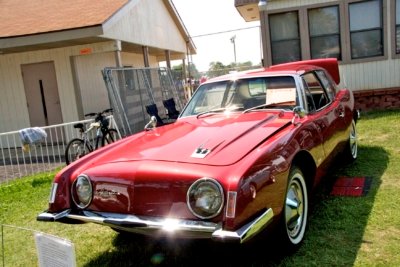
The legacy of the 1962 Studebaker Avanti extends far beyond its brief production run. It laid the groundwork for subsequent American sports cars, influencing the design and performance attributes of models that followed. Vehicles such as the Chevrolet Corvette and the Ford Mustang drew inspiration from the Avanti’s innovative features and design ethos. The combination of style and performance set a benchmark for what consumers could expect from American sports cars, shaping the future of automotive design.
Moreover, the Avanti’s cultural impact is evident in its appearances in popular media. The car has made notable cameos in films and television series, often serving as a symbol of luxury and sophistication. Its unique design has cemented its place in automotive history, and it continues to attract a devoted fanbase and collector interest. Events like the annual Avanti Owners Association meet showcase the enduring allure of this iconic model, fostering a community of enthusiasts dedicated to preserving its legacy.
Modern Reinterpretations
In recent years, the spirit of the Studebaker Avanti has inspired modern manufacturers to explore reinterpretations of this classic design. Various automotive companies have attempted to capture the essence of the Avanti while infusing it with contemporary technology and performance. Some models have sought to honor the original design while incorporating modern materials and engineering practices, illustrating how timeless designs can influence current automotive aesthetics.
The revival of the Studebaker brand has also contributed to the ongoing interest in the Avanti. Efforts to reintroduce the model in various forms have sparked conversations about the importance of heritage in modern automotive design. While some interpretations remain faithful to the original’s spirit, others take creative liberties, reflecting changing consumer preferences and technological advancements. This ongoing dialogue about the Avanti’s design underscores its relevance in the landscape of contemporary automobiles.
Restoration and Preservation
The Avanti holds a special place in the classic car community, where its status as a collector’s item continues to grow. Enthusiasts and restorers often face challenges in maintaining the originality of these vehicles, particularly due to the scarcity of parts and the unique materials used in their construction. Restoration projects can be labor-intensive, requiring a keen understanding of the Avanti’s design and engineering principles to ensure authenticity.
Notable restoration projects have drawn attention to the Avanti’s significance in automotive history. Organizations and individual restorers alike endeavor to preserve the car’s original features while enhancing its performance and reliability. These projects highlight the passion and dedication of the classic car community, ensuring that the essence of the Avanti is not lost to time. As these vehicles are lovingly restored, they continue to tell the story of innovation and design that defined an era.
- Author: Tyo Murty




















At the moment there is no comment