
Dimming the Sun Seems Crazy, But New El Niño Study Makes a Surprising Case


info Adjust the font size of this article to get the best reading experience.
A New Approach to Combating Climate Extremes
When I first encountered the idea of “scientists proposing to dim the sun,” I was skeptical. It sounded like something out of a science fiction movie, especially after watching numerous climate documentaries. However, a recent study published in the journal Science Advances on July 8, 2026, has presented a compelling argument that has changed my perspective.
A Super El Niño is currently forming in the Pacific, and it’s expected to be one of the most intense in decades. This phenomenon could lead to increased flooding, wildfires, and extreme heat events around the globe. In response, researchers at UC San Diego’s Scripps Institution of Oceanography, led by climate scientists Kate Ricke and Jessica Wan, have proposed an innovative solution that stands out from other geoengineering ideas.
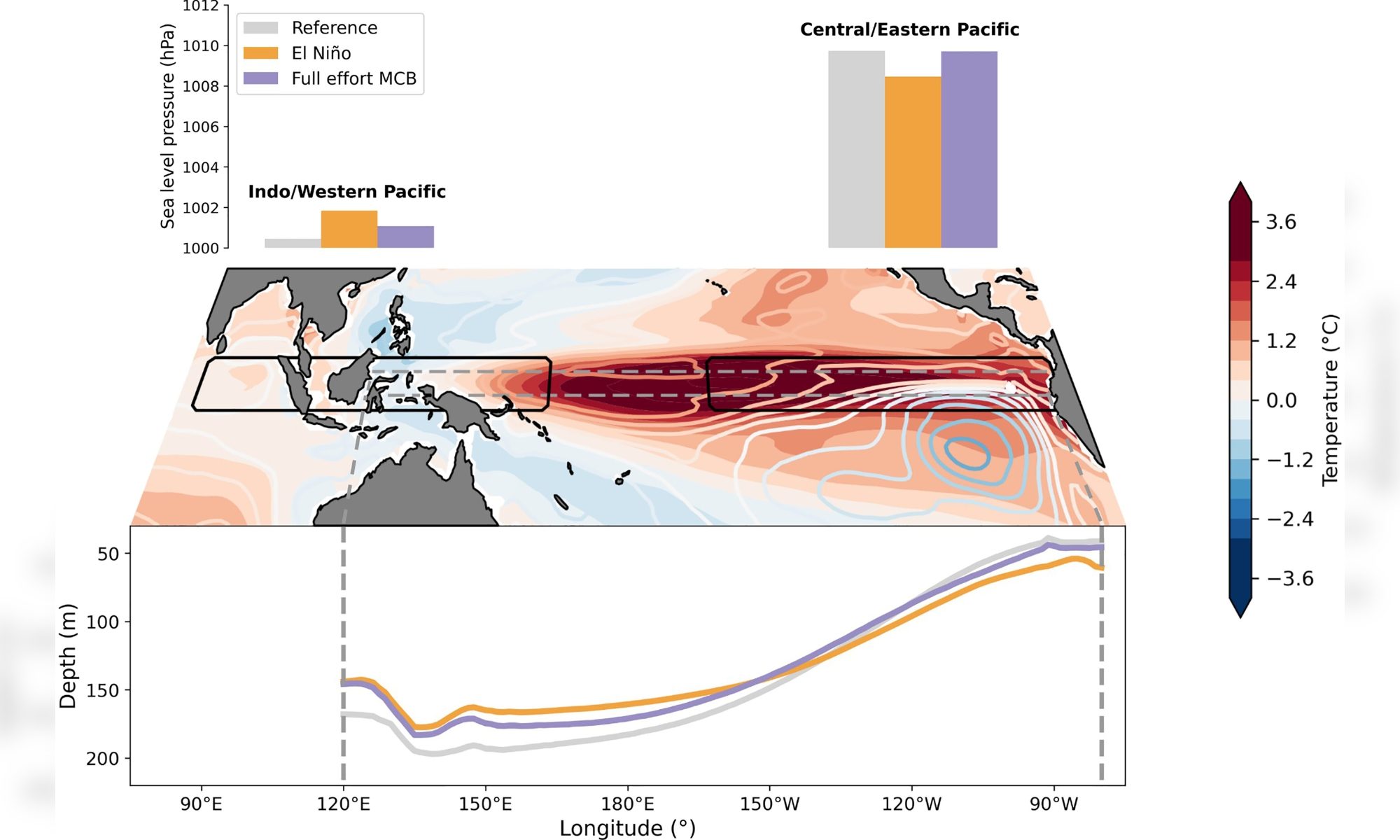
Understanding the Proposed Solution
The technique they are suggesting is called marine cloud brightening (MCB). This method involves spraying tiny reflective particles into ocean clouds to reflect more sunlight back into space before it can warm the ocean. Instead of conducting a real-world experiment, which could carry significant risks, the team used a natural test case: Australia’s 2019–2020 Black Summer bushfires.
These fires released smoke filled with reflective aerosols into Pacific clouds, which contributed to a subsequent La Niña cooling event. The events that occurred during those years closely resemble the MCB technique that scientists are now considering as a way to address the Super El Niño.
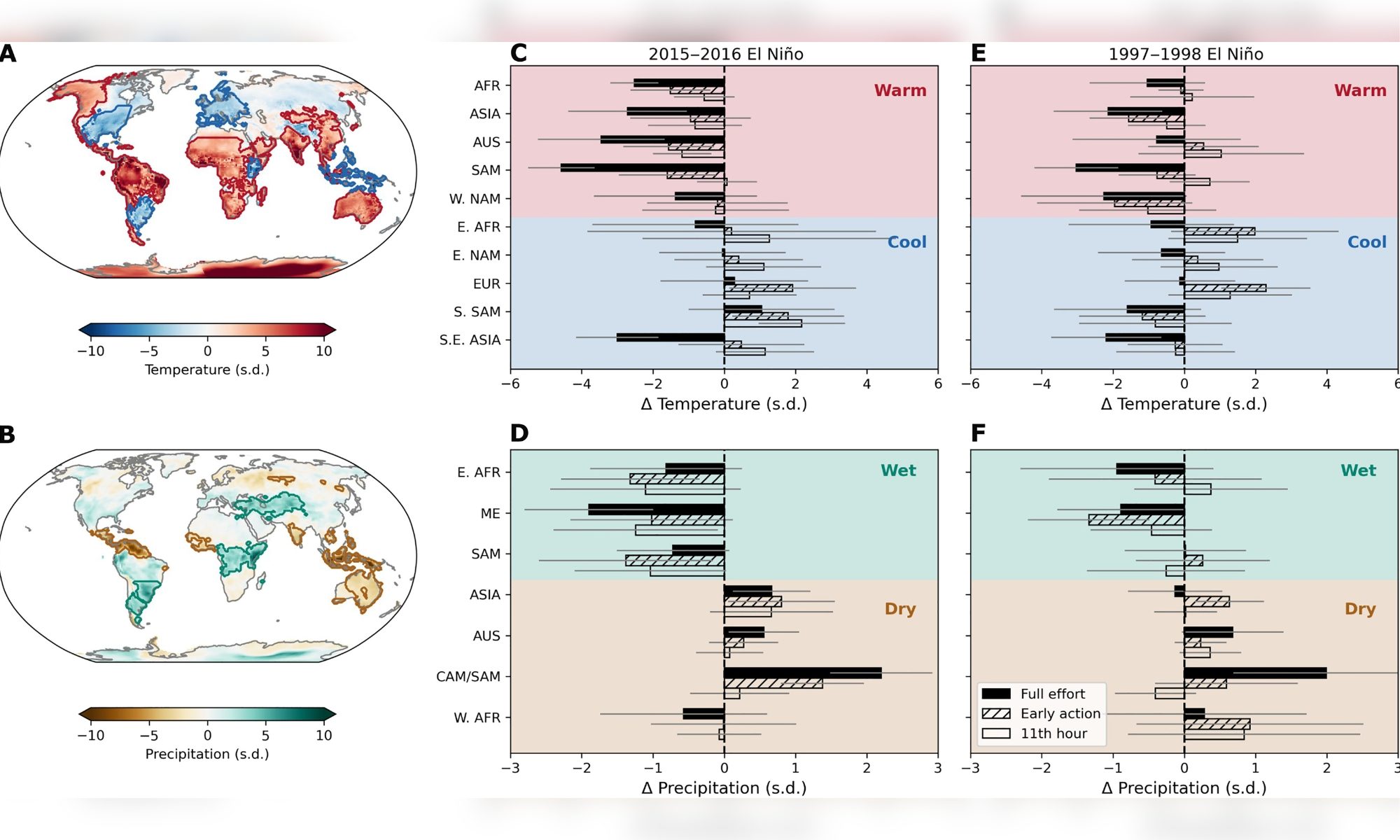
Evaluating the Concept
So, does this idea hold up under scrutiny? According to the study, the answer is largely yes, but there are some important caveats. Simulations showed that targeted MCB could enhance La Niña’s cooling and drying effects by approximately 40%, with earlier implementation leading to more significant results.
What sets this study apart from other geoengineering proposals is its limited scope. This isn’t a permanent planetary thermostat or a long-term solution. Instead, it’s a targeted, temporary intervention designed for specific high-impact events. It’s not meant to replace the long-term changes necessary to protect our environment.
Other factors to consider include scientific uncertainty, as the solution relies on climate modeling, and the potential for unintended side effects. These could include regional consequences from altered weather patterns.
The Broader Implications
While the concept of marine cloud brightening offers a promising approach to mitigating the impacts of a Super El Niño, it also raises important questions about the future of climate interventions. As we continue to face increasingly severe climate events, the need for innovative solutions becomes more urgent. However, it’s crucial to balance these efforts with a thorough understanding of their potential risks and limitations.
The study highlights the importance of using natural phenomena as test cases to evaluate new technologies. By learning from past events, scientists can develop strategies that are both effective and safe. This approach not only provides valuable insights but also helps build public trust in the scientific process.
In conclusion, while the idea of dimming the sun may seem far-fetched, the research conducted by Ricke and Wan offers a realistic and targeted solution to a pressing global challenge. As we move forward, it’s essential to continue exploring such innovations while remaining mindful of their broader implications.
- Author: Tyo Murty



















At the moment there is no comment