
New Zealand Tracks Invasive Hornets to Uncover Hidden Nests
- account_circle Tyo Murty
- calendar_month Wednesday, 15 Jul 2026
- visibility 17
- comment 0 comment
- print Print

info Adjust the font size of this article to get the best reading experience.
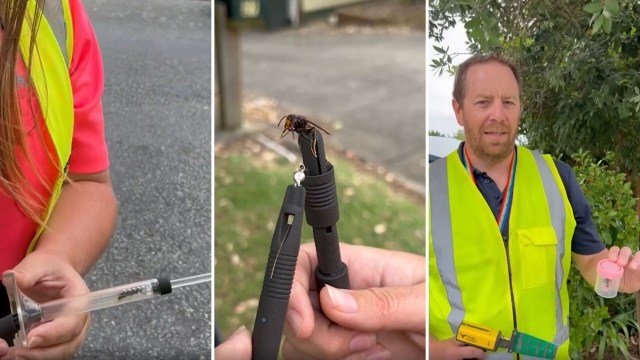
Tracking hornets with tiny devices might sound like a scene from a spy movie, but in New Zealand, it’s a serious and effective strategy to combat invasive species. Officials have been using this method to locate hidden nests, allowing them to eliminate the source before it spreads and causes more damage. This approach highlights how critical biosecurity measures are when dealing with non-native species that can threaten local ecosystems and public safety.
The tactic has recently gained attention on platforms like Reddit, where users shared details about how New Zealand is tackling invasive hornets. The goal is not just to deal with a single insect, but to find and destroy the entire colony. This involves restraining the hornet long enough to attach a small tracker, which then allows officials to monitor its movements and trace it back to its nest.
One post described the process as follows: “New Zealand takes biosecurity very seriously. This is how they track and eradicate an invasive species of hornet as it tries to establish a foothold.” The thread also mentioned a similar effort where New Zealand spent around $300,000 to eliminate one invasive stoat. According to the original poster, the animal was spotted on a trail camera, prompting a large-scale operation involving dogs, trapping experts, and helicopters to protect the native kakapo population.
Island ecosystems, like those in New Zealand, are particularly vulnerable to invasive species. These ecosystems often lack natural predators or checks that would normally keep such species in balance. As a result, even a small introduction can lead to significant ecological disruption.
Hornets are more than just a nuisance; they can have far-reaching consequences. Invasive stinging insects can disrupt food webs, prey on beneficial insects, threaten pollinators, and pose risks to people who work or spend time outdoors. If left unchecked, their nests can become difficult and costly to remove.
Most invasive species do not travel great distances on their own. Instead, they are often introduced through human activities such as shipping, cargo, and travel. This makes biosecurity efforts essential, not only for conservation but also for protecting public safety, agriculture, and biodiversity.
Biosecurity is not just a concern for scientists or environmentalists. It affects everyday life, from backyard safety to public spending. Catching an invader early is usually much cheaper and less damaging than trying to manage a full-blown infestation later.
In New Zealand, attaching trackers to hornets helps officials identify and destroy nests, which are the main source of the problem. This strategy aligns with a broader biosecurity approach: act quickly, trace the spread, and remove threats before they become permanent. For countries with delicate ecosystems, this kind of vigilance is crucial to protecting native species that evolved without these new predators.
As one user put it: “Design a jig for catching and holding the hornet while a tracker is attached. Yes, a tracker on a hornet. Follow the hornets to their nest. Destroy the nest. Then repeat until they are gone.”
- Author: Tyo Murty


















At the moment there is no comment