
How Hamad Transformed Arab Media with Al Jazeera

info Adjust the font size of this article to get the best reading experience.
The Visionary Behind Al Jazeera
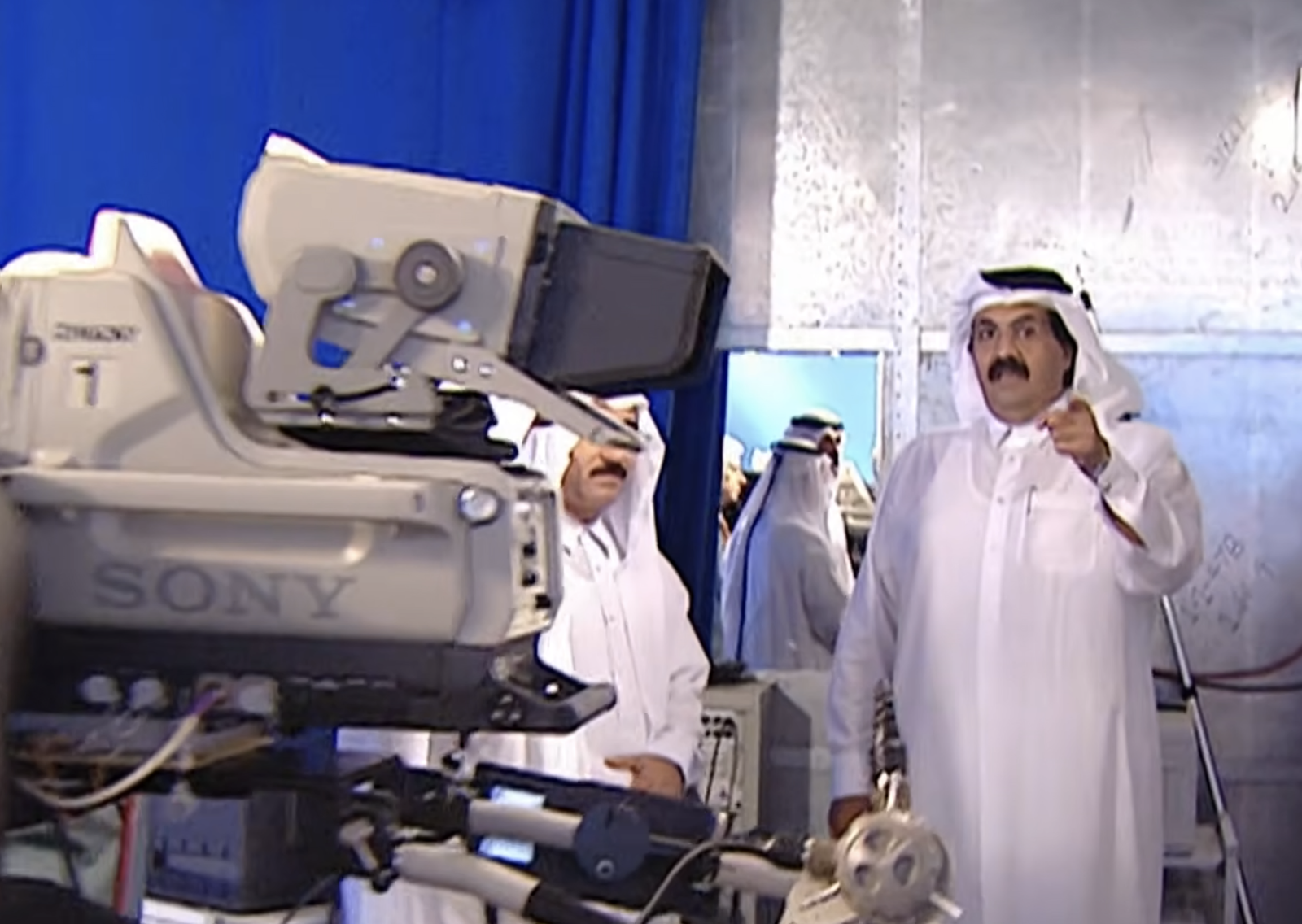
The passing of Qatar’s former Emir, Sheikh Hamad bin Khalifa Al Thani, marks the end of an era for one of the most influential media organizations in the world. His founding of Al Jazeera News Channel in 1996 was a defining moment that reshaped the geopolitical and cultural landscape of the Middle East. By launching the channel, he broke the monopoly of state-controlled broadcasting and challenged the dominance of Western media in shaping regional narratives.
Within just a few years, Al Jazeera grew into a global powerhouse, becoming known as the Al Jazeera Media Network in July 2005. The network’s director general, Sheikh Nasser bin Faisal Al Thani, paid tribute to the late Emir, calling him a visionary who laid the foundation for this great media institution. “Sheikh Hamad recognized the power of the word and the vital role of free and independent media in shaping societies and enlightening minds,” the statement read.
A Bold Beginning
The roots of this media revolution were planted long before Al Jazeera’s first broadcast. Mohamed Krishan, a founding anchor, recalled a meeting with Sheikh Hamad in 1993 when he was still Qatar’s crown prince. “It was clear the man had a bold, transformative vision for his country and the region,” Krishan said. “We left stunned, saying it was impossible for such words to come from a Gulf official. He was not a traditional Gulf official at all.”
When Sheikh Hamad became Emir in 1995, he turned that vision into reality by issuing a directive to launch a news channel within six months. Krishan remembered the initial team of journalists in Doha in 1996 being told: “Work professionally, trust in God and no one will stop you. Work as you see the profession and its ethics.” Many Arab journalists were shocked by the scale of freedom they were given.
Freedom and Challenges
Taysir Allouni, a prominent Al Jazeera journalist, described his disbelief upon learning that the network was broadcasting from Qatar. “I said, ‘No, that’s not true… for it to come from a Gulf state with this style, this openness and this very high ceiling of freedom? I said no, impossible.’”
Al Jazeera quickly broke the Arab world’s reliance on Western agencies for news, deploying correspondents to the field to tell stories as witnesses to events. The late Emir famously remarked, “The Arab peoples have not yet said their final word, and he who fears climbing mountains will live forever among the pits,” emphasizing his belief in free expression.
Krishan noted that Sheikh Hamad not only provided political cover for journalists to tackle sensitive topics but also understood their importance in realizing this vision. “You are the ones who managed to create a new Arab reality regarding media freedom, the opinion and the other opinion,” the Emir once told the network’s staff.
Political Costs and Attacks
This editorial independence came with a staggering political cost for Qatar. Al Jazeera’s coverage often angered regional governments and Western powers. Ahmed al-Sheikh, the channel’s former director of news, recalled intense pressures during the US wars in Iraq and Afghanistan. He recounted a conversation with an official who was present at a meeting when a CIA director urged Sheikh Hamad to silence the network.
The Emir forcefully rejected the demand, asking, “You are the ones who always spoke to us about media, freedom of the press, the opinion and the other opinion, and democracy, and now you are asking me to muzzle Al Jazeera? How can this happen?”
Threats against Al Jazeera turned into deadly attacks. During the US war on Afghanistan, the network’s office in Kabul was bombed, and the same happened during the US occupation of Iraq in 2003, which led to the killing of several Al Jazeera staff members. Then-US President George Bush reportedly planned to bomb Al Jazeera’s headquarters, according to a report by the Daily Mirror. Despite these dangers, the network continued its mission.
An Enduring Legacy
Despite all the challenges and threats, the late Emir’s vision became a reality, and the Al Jazeera Media Network became a global brand. Sheikh Hamad once stated that Al Jazeera has “deprived killers of covering up their killings, deprived failures of covering up their failures, and sided with the truth and the human being.”
As the network approaches its 30th anniversary, it remains committed to carrying on the legacy of the man who was behind its very existence. Al Jazeera continues to be a beacon of free expression and a powerful voice in the global media landscape.
- Author: Tyo Murty



















At the moment there is no comment