
Why Are Water Pipes Bursting More Often Lately?
- account_circle Tyo Murty
- calendar_month Wednesday, 15 Jul 2026
- visibility 12
- comment 0 comment
- print Print

info Adjust the font size of this article to get the best reading experience.
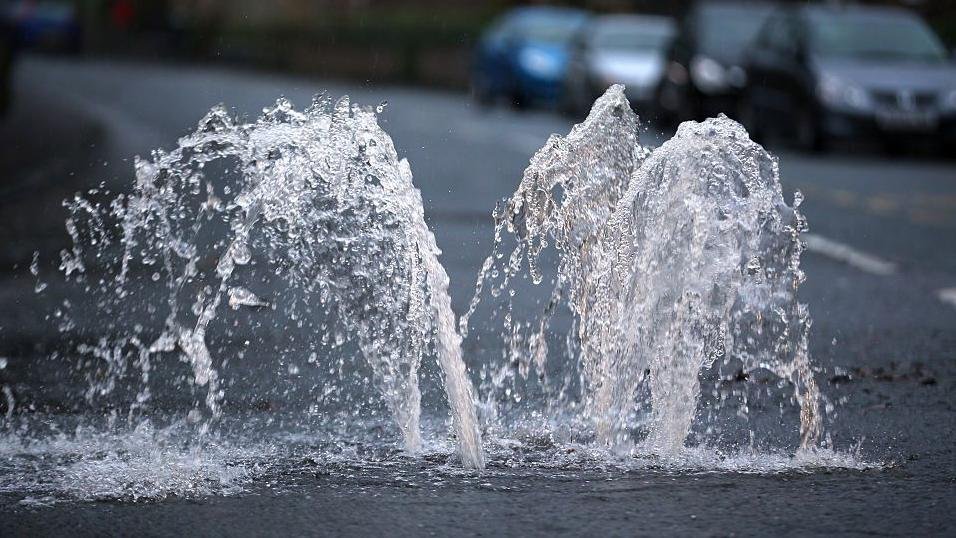
The UK is currently experiencing a heatwave that has placed significant stress on its water systems. As the third heatwave of the year continues, many residents are dealing with hosepipe bans, while others are facing an increase in burst water mains. Across Suffolk, reports of leaks and bursts have been coming in from areas such as Ipswich, Framlingham, Stutton, and more. This raises the question: why are we seeing more leaks, and does the weather play a role in this?
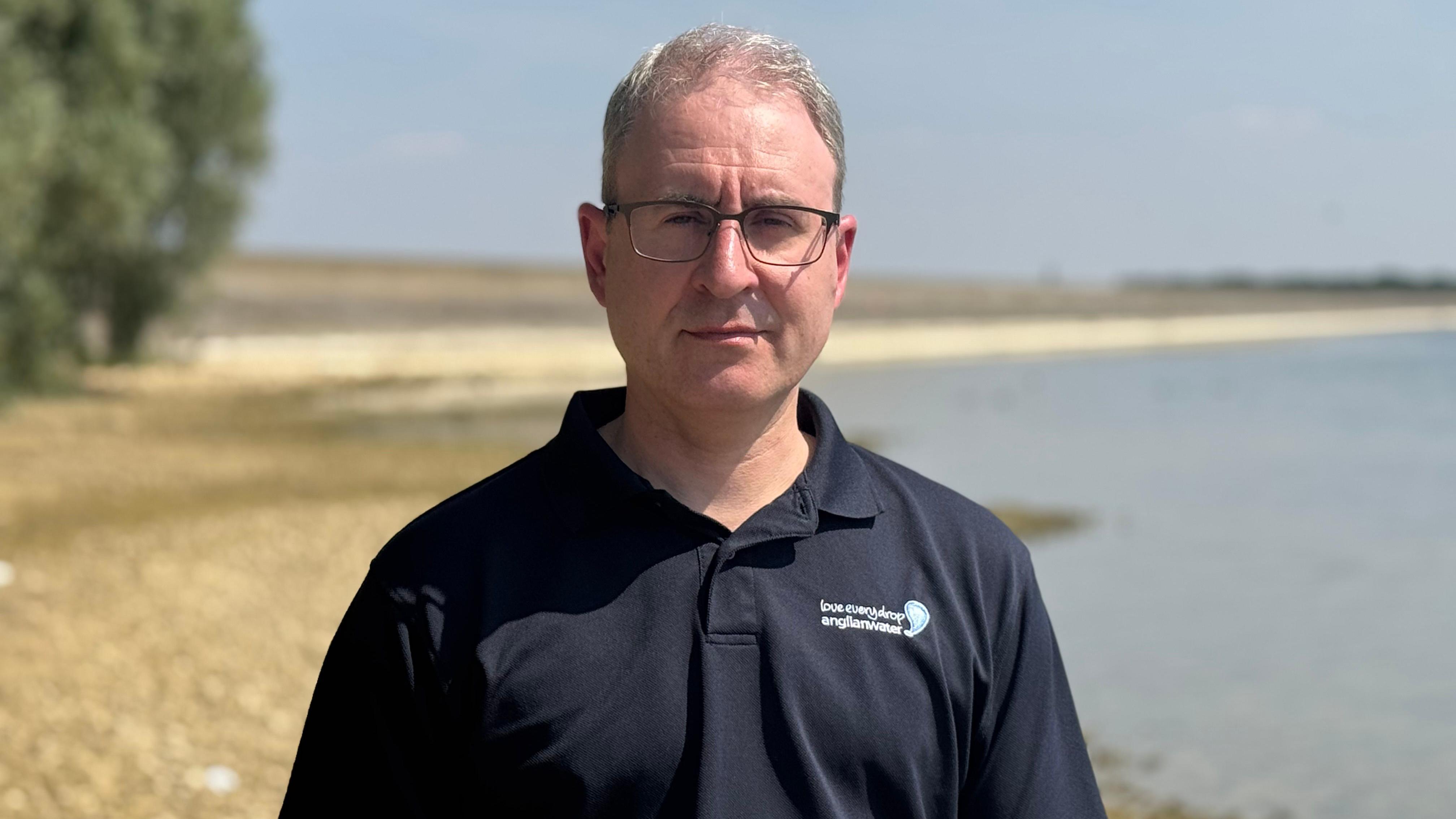
Dr. Geoff Darch, head of strategic asset planning at Anglian Water, explained that the hot weather is contributing to higher demand for water and drying out the soil. “When the soil dries, it moves, and our pipes move within that,” he said. “This leads to an increased number of bursts and overall leakage.” He added that the company is allocating significant resources to identify and fix these leaks to maintain as much water flow as possible.
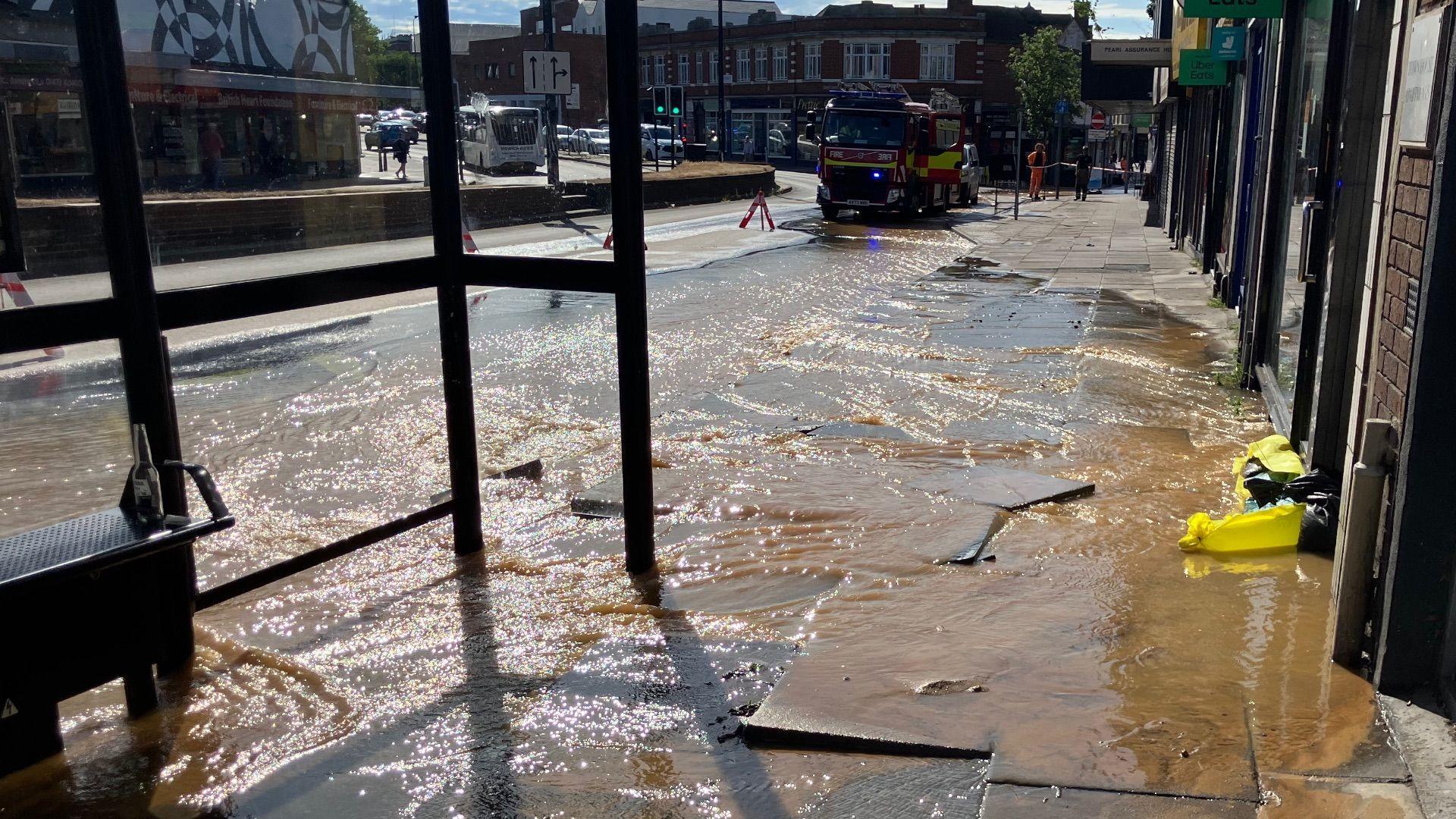
On Monday, Essex & Suffolk Water was called to Saxstead Road in Framlingham after reports of low water pressure. A video from the scene showed that the leak was so severe it had caused the road to crack and the surface to lift. A week earlier, police and the fire service were called to Crown Street in Ipswich when a burst pipe led to heavy flooding. A burger bar was flooded, and homes in the area faced supply issues or low pressure. In Stutton, near Holbrook, there was a similar problem on Thursday, and Manningtree Road remains closed while repairs continue.
More stories from Suffolk:
– Why did one water company not impose a hosepipe ban?
– Alleged right-wing terror threat leaves village reeling
– The Rock hires out cinema for 200 school pupils
A spokesperson for Essex & Suffolk Water noted that pipe bursts are also common in winter. “When the weather warms up or gets very cold in winter, the ground hardens and shifts, causing the pipes to move,” they said. “Fixtures, fittings, and even the pipes themselves can move and crack, along with the ground, leading to more leaks and bursts. We don’t always know the exact cause, but the recent hot temperatures have contributed to an increase in bursts.”
Cath Jones, head of household relationship management at the Consumer Council for Water, emphasized that the changing climate is putting pressure on water companies’ networks. “Prolonged periods of hot weather can expose weaknesses in their infrastructure,” she said. “It’s important that companies do all they can to prevent bursts and address them quickly when they occur. Customers expect that the money they pay through record bill increases will result in more reliable services.”
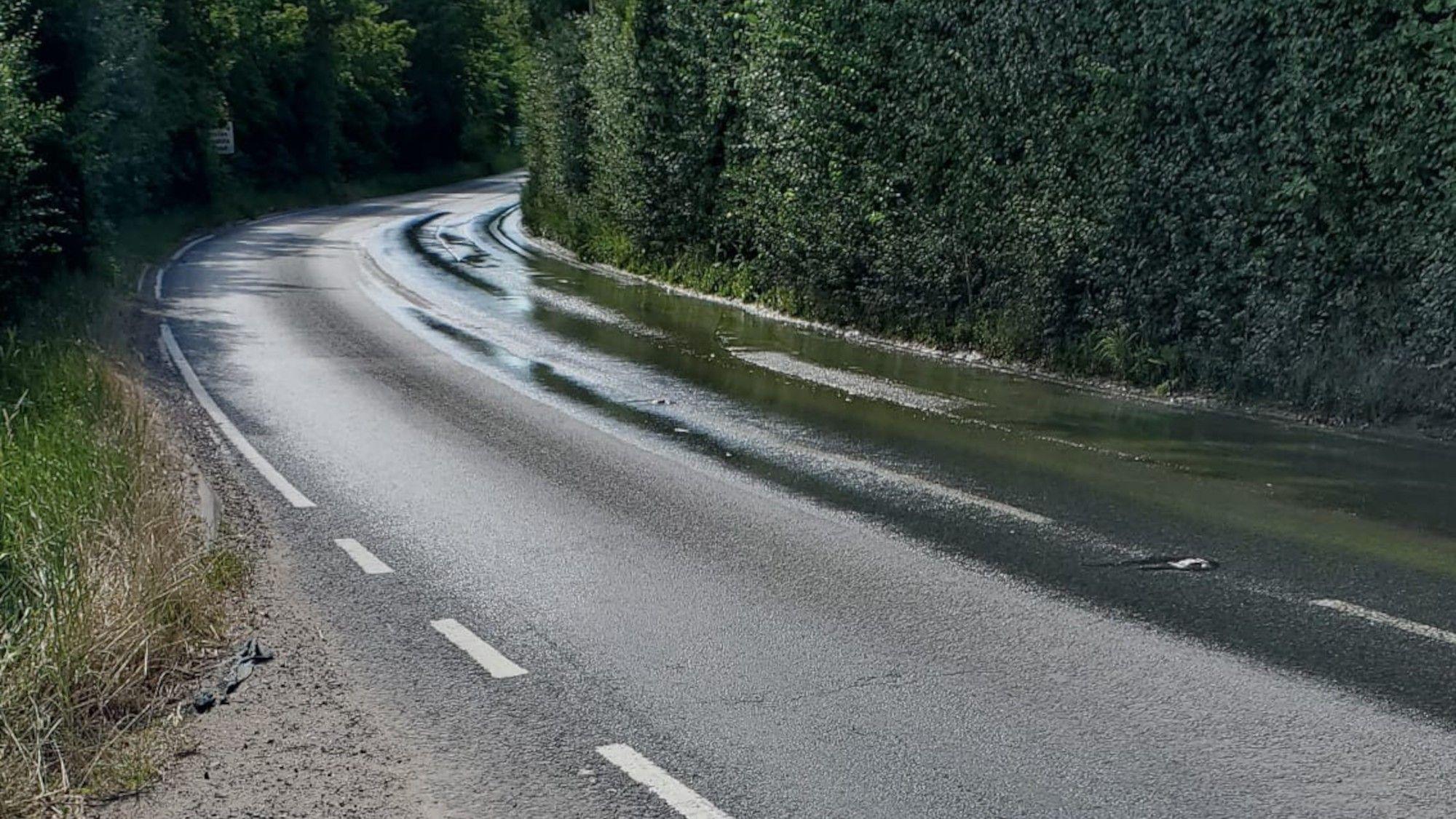
Malcolm Owers, a 65-year-old farmer from Pettaugh, near Stonham Aspal, shared his concerns about a recurring issue in his village. He mentioned that a burst water pipe has been affecting the A1120 for the past three months, with another incident occurring in 2022. “The water is running down the road like a river,” he said. “It wasn’t as bad initially, but it has gradually gotten worse each week.” He estimated that thousands of gallons of water are lost daily.
A spokesperson for Anglian Water acknowledged that the old pipework in the area has led to 10 bursts over the last five years, resulting in low pressure or supply loss for some residents. “We’re sorry for the inconvenience,” they said. “That’s why we’re replacing these pipes now—to reduce the chances of future bursts and ensure your water flows as it should.”
Owers understands that old pipes need to be replaced but expressed frustration with the pace of the work. “It’s shocking how slowly things are moving,” he said.
- Author: Tyo Murty



















At the moment there is no comment