
Utah Health Officials Issue Urgent Rabies Warning After Deadly Virus Found in Local Bat
- account_circle Tyo Murty
- calendar_month Wednesday, 1 Jul 2026
- visibility 18
- comment 0 comment
- print Print

info Adjust the font size of this article to get the best reading experience.
Health Officials Warn of Rabies Case in Cache County
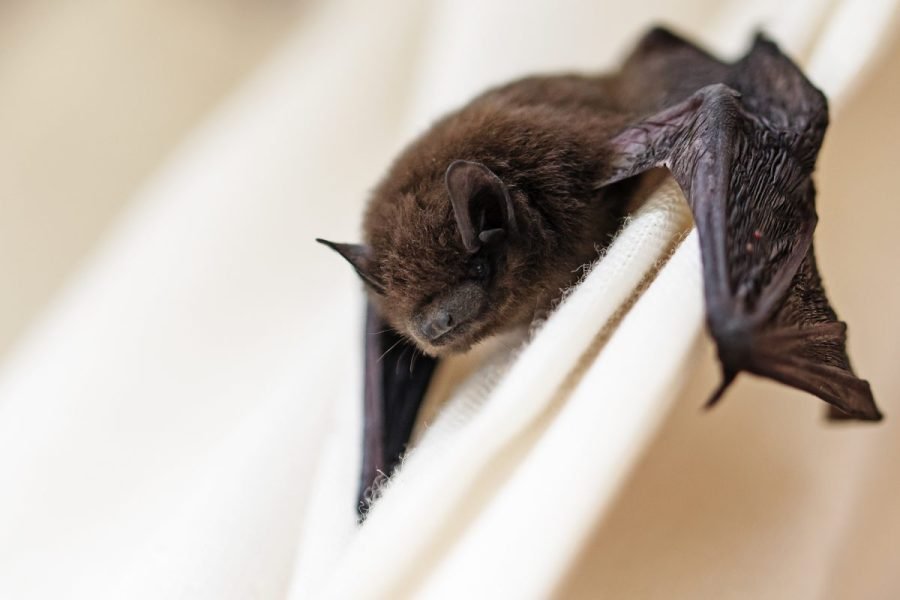
A bat recently collected in Cache County has tested positive for rabies, according to public health officials with the Bear River Health Department (BRHD). This marks the second known case of rabies in Utah this year, following a similar diagnosis in Washington County earlier this year.
Rabies is a serious and almost always fatal disease once symptoms appear. It affects the brain and nervous system of mammals, including humans, pets, and wildlife. While bats are the primary carriers of the rabies virus, most do not actually carry the disease. However, it is crucial to take precautions when encountering bats, especially those that appear sick, injured, or unusually aggressive.
Residents are advised to avoid contact with such animals and to keep children and pets away from them. Under Utah State Law, all pets must be vaccinated against rabies. If you come across a bat, avoid touching it with your bare hands. Instead, use thick gloves and a shovel or other tool to dispose of it in a sealed container or double-bagged plastic bag.
If you believe that you or your pet may have had contact with a bat, it is essential to contact your local health department immediately. The bat should be tested for rabies, and public health officials can help facilitate this process while addressing any concerns or questions you may have.
Prompt treatment after potential exposure is highly effective at preventing rabies. “Rabies is preventable, but it requires prompt action,” said Dr. Prafulla Martin-Garg, Medical Director of the Bear River Health Department. “Avoid touching bats, report any potential exposures, and make sure your pets are up to date on their rabies vaccinations.”
For more information about rabies exposure or if you have encountered a bat in the Bear River Health Department area (covering Cache, Rich, and Box Elder Counties), visit brhdut.gov or call 435-792-6500.
Rabies Prevalence in Utah
According to the Utah Department of Health and Human Services (DHHS), hundreds of animals have been tested for rabies in previous years, but only a small percentage have tested positive. In 2022, the most recent data available, the Utah Public Health Laboratory successfully tested 333 animals, including bats and other species. Out of these, 13 bats tested positive for the rabies virus, while 14 humans and 17 pets were exposed to rabies.
Between 2018 and 2022, an average of 14.2 bats tested positive for rabies each year. Additionally, three foxes and one skunk have tested positive for rabies in the last 12 years, with each of those animals infected by a bat variant of the rabies virus.
While the recent case may not be unusual, experts still emphasize the importance of taking every precaution to avoid wild animals and reduce the risk of rabies exposure.
Preventive Measures and Public Awareness
Public health officials continue to stress the importance of preventive measures, especially during the warmer months when outdoor activities increase. Bats are often active during the night, and encounters can happen unexpectedly, particularly in areas where humans and wildlife interact.
It is also important to ensure that pets are up-to-date on their rabies vaccinations. Even if a pet does not typically venture outdoors, they could come into contact with a rabid animal, making vaccination a critical step in protecting both the pet and the household.
Residents are encouraged to educate themselves about rabies symptoms and what to do in the event of a potential exposure. Early recognition and response are key to preventing the spread of the disease.
Staying Informed
For the latest updates on rabies cases and public health advisories, residents can check local health department websites or follow trusted news sources. Understanding the risks and knowing how to respond can make a significant difference in keeping communities safe.
In addition to rabies, there are other health and safety concerns to be aware of, such as wildfires, traffic incidents, and other emergencies. Staying informed through reliable channels helps individuals make better decisions for their well-being and that of their families.
By staying proactive and informed, residents can play an active role in maintaining public health and safety in their communities.
- Author: Tyo Murty


















At the moment there is no comment