
Purple Beauty: The Hummingbird-Attracting Flower That’s Easy to Grow

info Adjust the font size of this article to get the best reading experience.
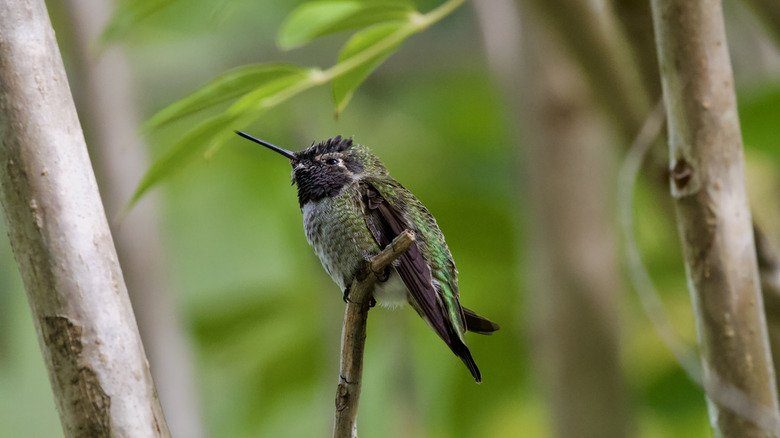
When designing a backyard that’s welcoming to hummingbirds, many people might think of traditional choices like coneflower, bee balm, or goldenrod. These plants are known for their vibrant blooms and are excellent for attracting pollinators. However, they only scratch the surface of the many plant options available for creating a hummingbird-friendly space. One often overlooked but highly effective choice is the allium flower (Allium spp.), which features nectar-rich purple blooms that hummingbirds find irresistible.
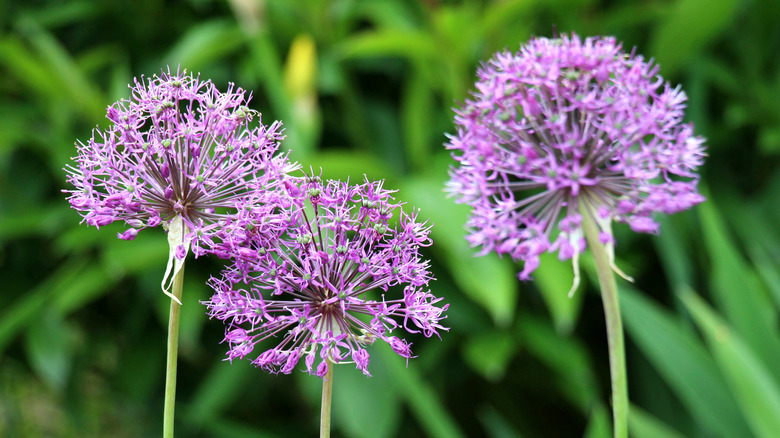
While onions may not be the first thing that comes to mind when thinking about pollinator gardens, alliums are actually a surprisingly good option. The genus Allium includes around 700 species, ranging from common vegetables like onions and chives to ornamental varieties. Each type of allium has its own unique traits, but all produce showy, fragrant flowers in various colors during spring and summer. For those specifically interested in purple-flowering alliums, some great options include:
- Star of Persia (Allium cristophii)
- Persian onion (Allium aflatunense)
- Giant ornamental onion (Allium giganteum)
Planting any of these species can bring a flurry of hummingbirds to your yard. Alliums are generally low-maintenance and are considered among the easiest plants for beginners to grow while also attracting hummingbirds. Still, providing proper care can significantly impact how well they thrive and bloom.
How to grow alliums to attract the most hummingbirds
Understanding the basics of allium care is essential when planning a hummingbird haven in a suburban or urban setting. Ornamental onions are bulbous perennials, meaning they can return year after year in Zones 4 to 9, provided they are suited to your climate. This makes them a more sustainable and cost-effective choice compared to planting seasonal annuals each spring.
Before selecting an allium species, it’s important to confirm that it is winter-hardy in your specific growing zone. If you’re unsure about your USDA hardiness zone, you can check the online USDA Plant Hardiness Zone Map for guidance.
The care requirements for alliums can vary depending on the species. These plants are native to many parts of the world, including North America, North Africa, Europe, and Asia, and they adapt to a wide range of climates and conditions. For example, some alliums can thrive in both full sun and partial shade. However, since they tend to produce the most flowers in full sun, choosing a sunny location in your garden will help maximize the number of hummingbird visits. Shade can lead to weaker, limp blooms.
Most ornamental onions perform best in sandy, loamy, or fertile soil as long as the planting area has good drainage. Overly wet conditions can cause bulb rot, so it’s important to avoid waterlogged soil.
By incorporating alliums into your garden, you’re not only adding visual interest with their striking blooms but also creating a welcoming environment for hummingbirds. Whether you’re a seasoned gardener or just starting out, alliums offer a rewarding and easy way to support local wildlife. With the right care and placement, these versatile plants can become a staple in any hummingbird-friendly landscape.
- Author: Tyo Murty



















At the moment there is no comment