
New DHS Rules May Simplify Passport Applications
- account_circle Tyo Murty
- calendar_month Tuesday, 14 Jul 2026
- visibility 14
- comment 0 comment
- print Print

info Adjust the font size of this article to get the best reading experience.
Modernizing Travel Document Processes
Planning an international trip often involves a series of administrative tasks, but the process of obtaining essential travel documents is undergoing a significant transformation. Federal officials are implementing updated procedures aimed at reducing delays and making the application process more efficient for travelers across the country. By leveraging digital technology and improved verification methods, the government is working to create a faster and more accessible system for securing travel documents.
Real-Time Facial Recognition for DIY Photos
The U.S. State Department is introducing a streamlined method that allows applicants to take and upload passport photos directly using their personal devices. This initiative eliminates the need to visit third-party vendors, such as pharmacies or photo studios. Secretary of State Marco Rubio explained that the new platform will incorporate real-time facial recognition to speed up the processing of applications.
During an event announcing a new commemorative document, Secretary Rubio stated:
“You should be able to take that picture on that device as opposed to going somewhere. Now, the CVS people, of course, hate this, and the Walgreens and all those other places… But you’ll be able to take your picture from that device and be able to have it in real time, through our security system, verify the facial ID.”
This development aims to make the process more convenient for applicants while maintaining strict security standards.
Complete Transition to Online Processing
Federal agencies are moving toward a fully digital application model to reduce the need for in-person visits and minimize wait times. Secretary Rubio has emphasized broader operational changes that are designed to improve the overall experience for travelers. By transitioning the entire process online, the government hopes to eliminate common administrative hurdles and simplify document updates for citizens.
Advanced Security and the “Patriot Passport”
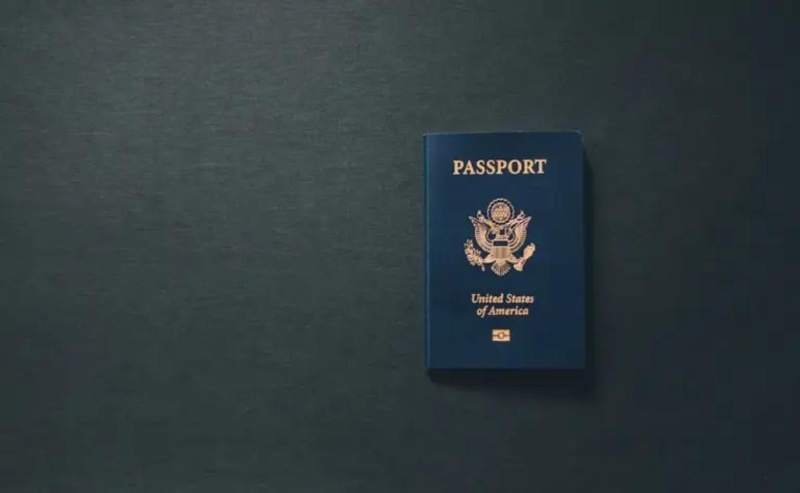
In addition to streamlining the application process, the State Department has launched a redesigned physical document known as the “Patriot Passport.” This updated version includes enhanced security features and visual elements, such as:
- Dynamic moving pages embedded within the passport booklet.
- Integrated QR codes that connect users directly to historical videos.
- Enhanced security measures to protect personal identification information.
These improvements aim to make the passport more secure and visually engaging for travelers.
Strict Technical Guidelines for Digital Photo Submissions
Official guidelines from Travel.State.Gov emphasize that unacceptable photos are one of the main reasons passport applications are delayed. While the agency already allows online submissions, applicants must follow strict specifications to ensure compliance:
- Background & Lighting: Photos must be taken against a plain white or off-white background without shadows, textures, lines, or objects. Natural and balanced lighting is required.
- Format & File Size: Digital images must be submitted in JPG, JPEG, PNG, HEIC, or HEIF formats, with file sizes between 54 KB and 10 MB.
- Pose & Appearance: Applicants must face the camera directly with centered head and shoulders, maintaining a neutral facial expression or natural smile without showing teeth. Eyeglasses, face coverings (except for documented medical or religious purposes), and hats are not allowed.
- Zero Digital Alterations: The agency strictly prohibits the use of graphic design software, AI generation tools, filters, or red-eye touch-ups. Images must be high-resolution originals taken within the last six months.
Conclusion
As the U.S. government continues to modernize its approach to travel documentation, travelers can expect a more streamlined and secure process. From real-time facial recognition to digital submission guidelines, these updates reflect a commitment to improving the overall experience for those planning international trips. With ongoing advancements in technology and security, the future of travel documents looks more efficient and user-friendly than ever before.
- Author: Tyo Murty




















At the moment there is no comment