
Iran Attacks Ship, Closes Hormuz Strait, US Strikes Back

info Adjust the font size of this article to get the best reading experience.
Escalation in the Strait of Hormuz
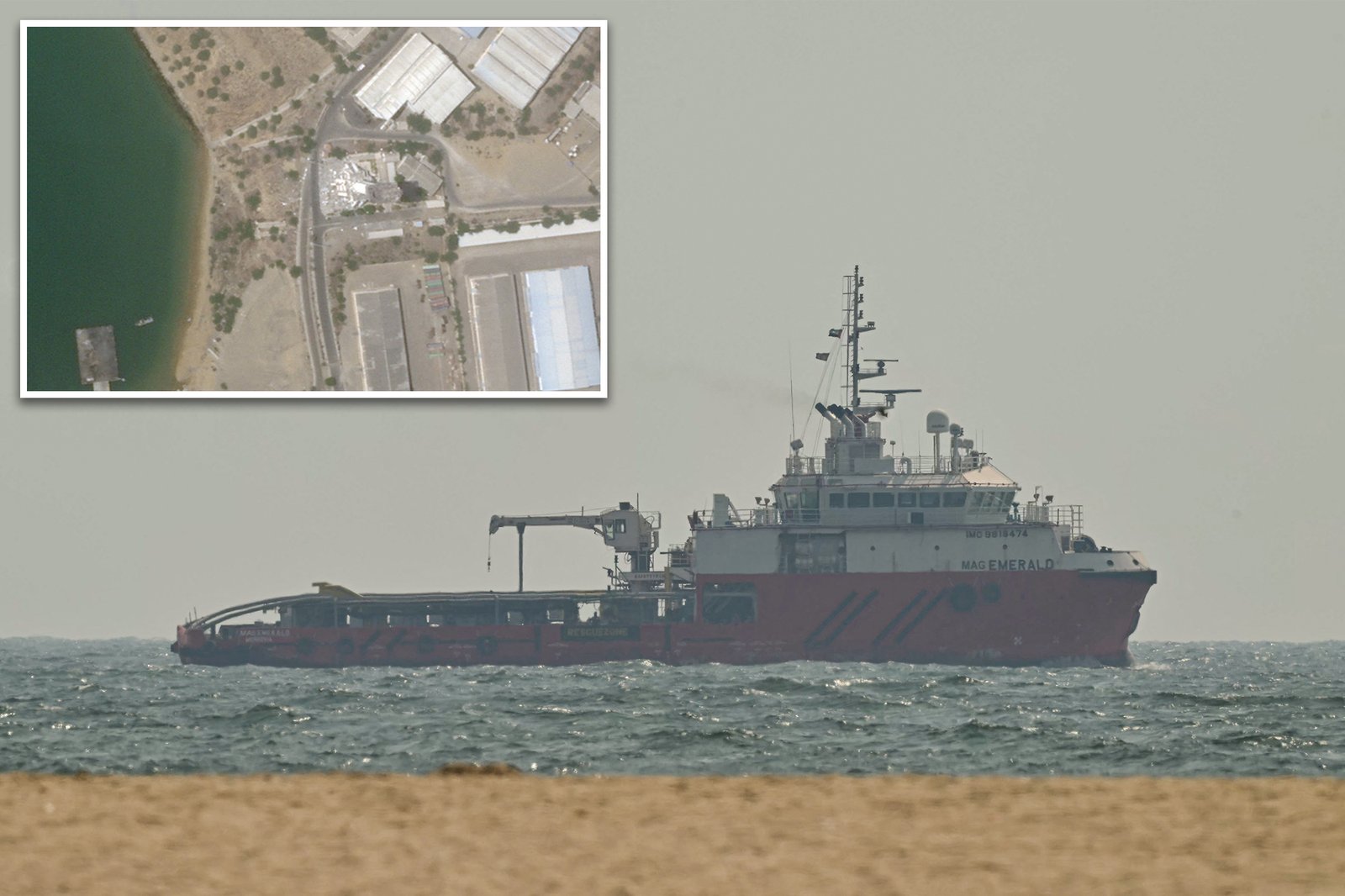
Iran has taken a dramatic step by announcing the closure of the Strait of Hormuz, a vital waterway through which approximately 20% of the world’s oil supply flows. This move came after Iran fired at a commercial ship in the area, defying President Trump’s ultimatum to the regime and prompting the United States to respond with military action.
The Iranian Islamic Revolutionary Guard Corps (IRGC) stated that an unauthorized vessel was struck following a warning shot and an order to change its course. According to the IRGC Navy, the vessel had jeopardized maritime security by turning off its systems and was subsequently brought to a halt. The statement also mentioned that several ships attempted to navigate the strait on an “unauthorized route” and ignored warnings to correct their course.
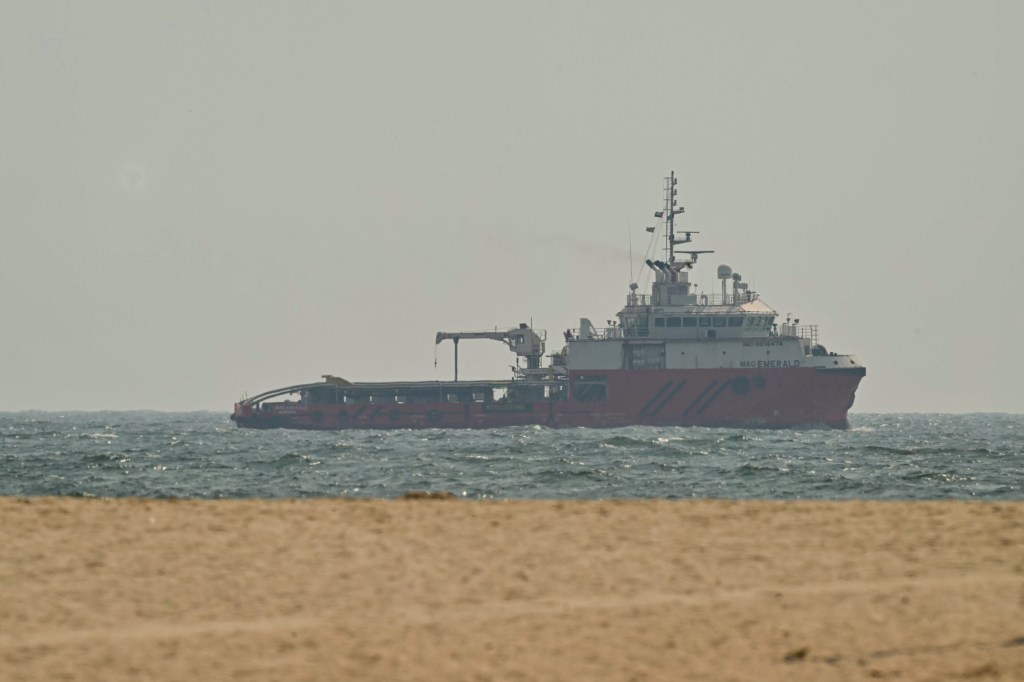
The closure of the strait would be in effect “until further notice” and until “the end of US interference in this region,” as per the IRGC. Additionally, the group vowed that any response from the US or its allies would result in “severe” retaliation.
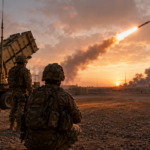
In response, the US launched its third round of strikes against Iran this week. U.S. Central Command forces began launching these strikes after the Islamic Revolutionary Guard Corps attacked the M/V GFS Galaxy, a Cyprus-flagged container ship transiting the Strait of Hormuz. A civilian crew member is now reported to be “missing,” and the ship sustained “significant engineroom damage.”
“Iran was provided yet another opportunity to demonstrate adherence to the Memorandum of Understanding after being held accountable for earlier attacks on commercial vessels but has again failed,” the statement continued. “In response, the United States is imposing a heavy cost by continuing to degrade Iran’s ability to attack civilian mariners and commercial ships freely transiting the strait. The strikes are being carried out at the direction of the Commander in Chief.”
Diplomatic Efforts and Tensions
The situation on the seas followed a stark ultimatum from the Trump administration to Tehran, demanding that the regime publicly declare the Strait of Hormuz safe and open — or face consequences. A US official emphasized that the demand was for Iran to issue a public statement acknowledging that all channels of the strait are open and that they are no longer shooting at ships. The official added that if Iran does not comply, the outcome would not be favorable.
Iran, however, reiterated its stance that any response from the US or its allies would draw “severe” retaliation.
Earlier on Saturday, Iranian and Omani representatives met in Muscat to discuss the crucial international waterway. Oman presented a proposal allowing continued shipping through the Strait of Hormuz, with the waterway divided into two lanes — one managed by Oman and the other by the Islamic Republic, according to CNN.
The Southern Corridor, located in Omani territorial waters, would allow the pre-war status quo of free navigation for commercial shipping. Ships traveling through the strait’s Northern Corridor, which is in Iranian territorial waters, would require pre-approval from Tehran.
Rising Tensions and Military Posturing
The US launched strikes on Iranian targets over two days last week in response to attacks on ships making their way through the strait. These actions have significantly increased tensions between the two countries.
President Trump has made it clear that he is prepared to take revenge should Iran attempt to assassinate him. He told The Post that he has left detailed instructions to take severe action if anything happens. “I’ve been on their list for a long time. That’s what we’re dealing with,… The only thing is, I’ve left instructions — if anything happens, to just literally bomb them at levels that they’ve never seen before,” Trump said.
At Ayatollah Khamenei’s funeral in Iran last week, mourners were seen chanting “death to America” and “death to Trump,” highlighting the deep-seated animosity between the two nations.
- Author: Tyo Murty

















At the moment there is no comment