
War Spreads to the Gulf: Iran Launches Missile and Drone Attacks on US Allies Amid Ceasefire Collapse

info Adjust the font size of this article to get the best reading experience.
Iran’s Escalation into the Gulf
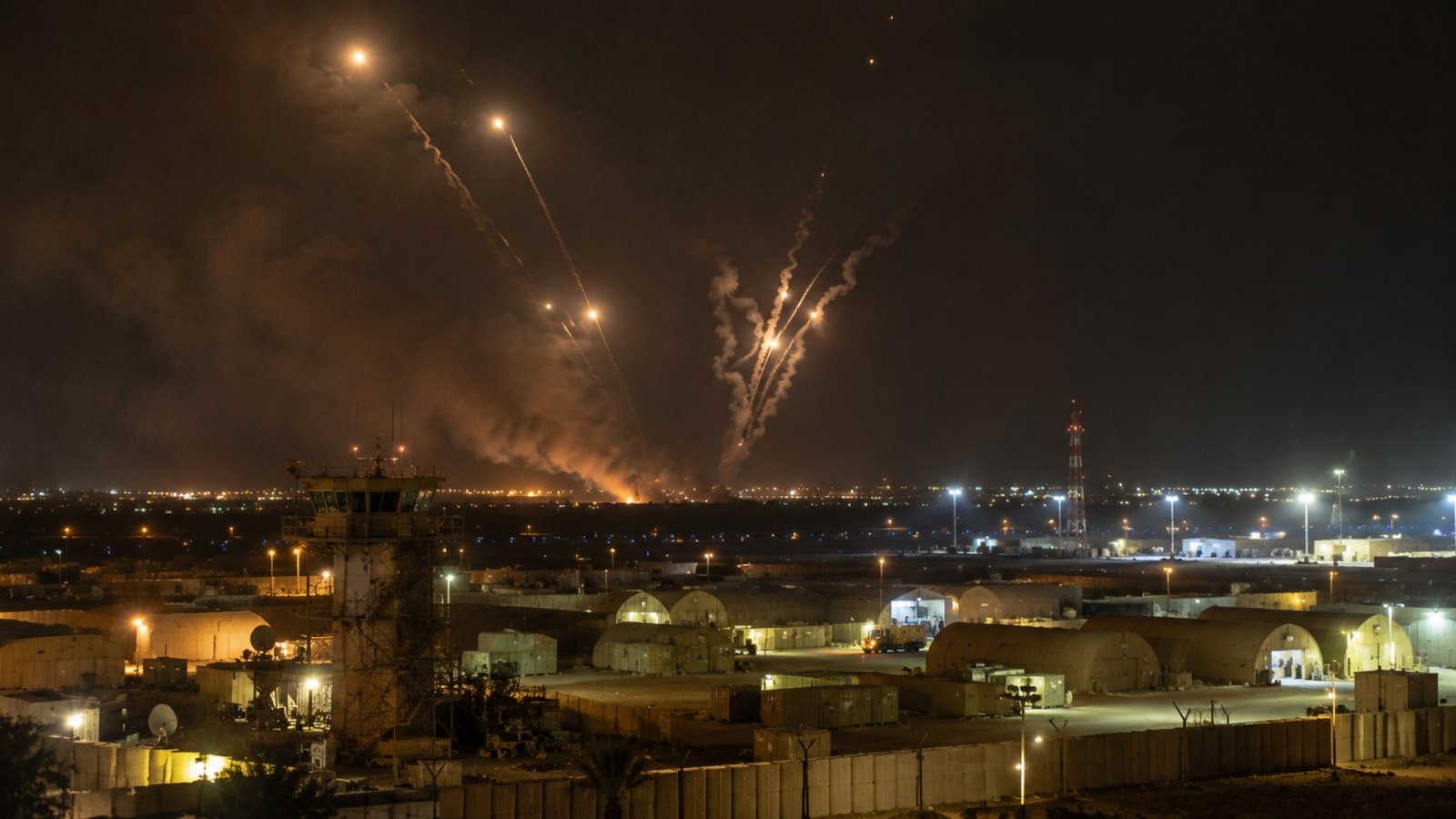
Iran has taken its conflict into new territory by launching drone and missile attacks on Bahrain and Kuwait. These strikes came in response to recent US actions targeting Iranian military sites, marking a dangerous escalation in the ongoing confrontation. Reports from AP indicated that sirens were heard in Kuwait City, with both Bahrain and Kuwait confirming that Iranian forces had targeted their territories overnight.
This development represents a significant shift in the crisis, as it moves the conflict beyond direct exchanges between the US and Iran. Now, Gulf states that host American military facilities are directly involved, increasing the risk of a broader regional conflict. While the immediate military damage may be limited, the political implications are profound.
Bahrain and Kuwait Condemn the Attacks
Bahrain reported that several Iranian drones targeted its territory, which it condemned as a serious threat to its national security. Similarly, Kuwait confirmed that it had faced incoming attacks and activated its defensive measures. Although early reports did not confirm major damage or casualties, the message was clear: Iran is signaling that US-linked targets across the region could become part of the conflict.
This is particularly concerning because Bahrain and Kuwait are not passive observers. Both countries play a central role in the US military presence in the Gulf. Any attack on their territory is therefore especially sensitive, as it could lead to further entanglement of regional allies in the conflict.
US Strikes Trigger Iranian Retaliation
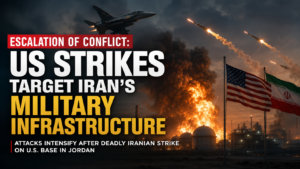
The Iranian attacks followed a series of US strikes on Iranian military infrastructure, according to Reuters. The US claimed these operations were a response to continued Iranian aggression against commercial shipping, including a drone strike on a tanker in the Strait of Hormuz. This sequence of events is significant because both sides are framing their actions as retaliatory rather than initiating moves.
In practical terms, this dynamic makes de-escalation more challenging. Each strike is justified as a reaction to the previous one, creating a cycle of retaliation that is difficult to break. This pattern, as described by Reuters and AP, suggests that neither side is willing to back down easily.
Diplomacy Under Pressure
The latest attacks have further weakened the interim ceasefire agreement that was meant to reduce direct hostilities and allow for diplomatic progress. AP noted that this exchange is another major setback for the deal, while The Guardian reported that Iran has warned of further consequences if the ceasefire is violated again.
With Gulf states now directly affected, the crisis is no longer just about military posturing between Washington and Tehran. It also raises questions about whether regional governments can avoid being drawn deeper into the conflict. The involvement of key Gulf states complicates the situation, as their security and stability are now at stake.
What Comes Next?
The next critical question is whether this remains a limited retaliatory cycle or escalates into a wider regional confrontation involving more Gulf territory, shipping routes, and military infrastructure. For now, the evidence suggests that the ceasefire framework is weakening rapidly, and both sides are still willing to respond with force.
This leaves diplomacy in a much weaker position than it was just days ago. Unless the attacks stop quickly, the focus may shift from preserving a truce to containing a much broader Gulf escalation. The situation remains highly volatile, with the potential for further violence and regional instability.
- Author: Tyo Murty

















At the moment there is no comment