
Why Audi and Ferrari Can Upgrade F1 Engines Despite ADUO Delay
- account_circle Tyo Murty
- calendar_month Thursday, 25 Jun 2026
- visibility 17
- comment 0 comment
- print Print

info Adjust the font size of this article to get the best reading experience.
Understanding the ADUO System and Its Impact on Formula 1
The Formula 1 world is currently in a state of uncertainty due to the ongoing verification process surrounding the first phase of the Additional Development and Upgrade Opportunities (ADUO) system. This system, introduced to allow teams with performance deficits to catch up through upgrades, has sparked significant debate, particularly among Red Bull-Ford Powertrains.
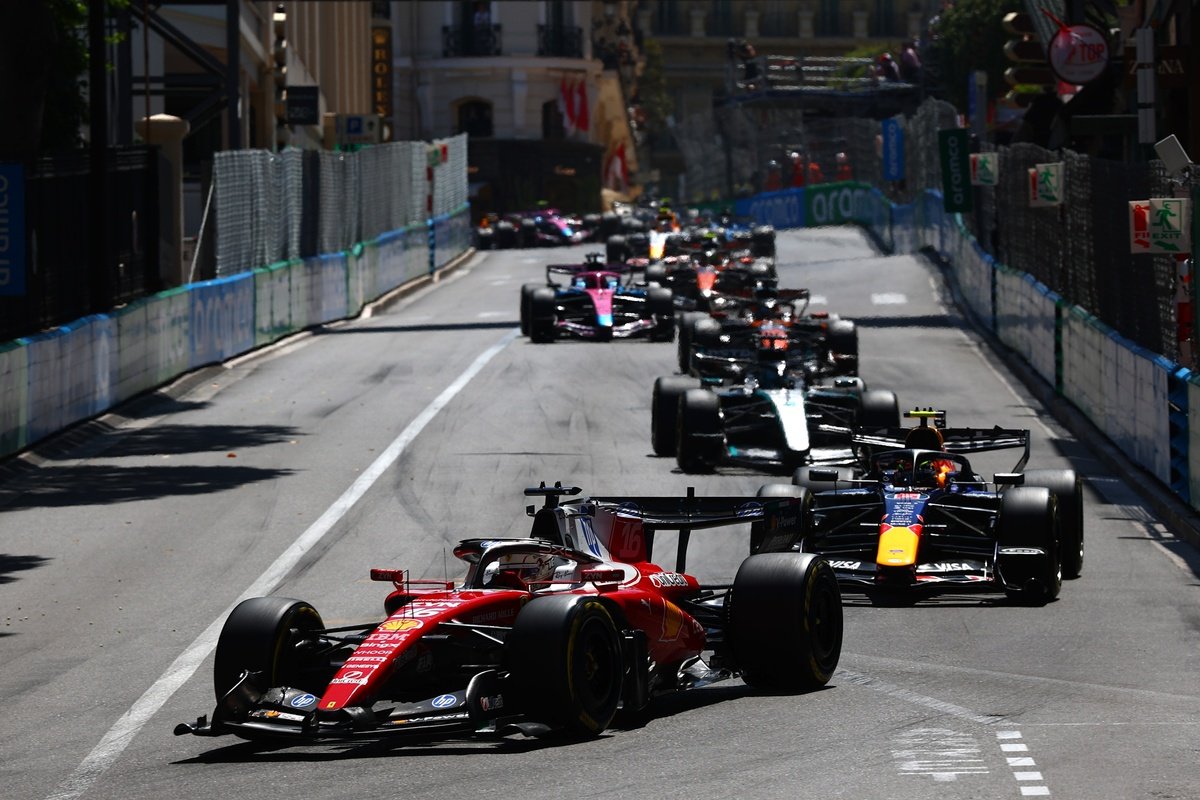
All Formula 1 manufacturers were informed of the initial results of the first ADUO period during the Monaco Grand Prix weekend. However, the verification process is still underway, as requested by Red Bull-Ford Powertrains. The FIA placed Red Bull at the top of the initial ranking, which surprised the team. According to team boss Laurent Mekies, Red Bull is not opposed to the system itself but believes that the data and methodology used need further scrutiny.
Mekies emphasized that there is “not one single data sample” in which Red Bull holds an advantage over Mercedes. This has led to questions about the fairness of the system and whether it accurately reflects the performance of each team’s power unit.
The Verification Process and Timeline
The verification process started ahead of the Barcelona Grand Prix and was initially expected to take between seven and 10 days. While this period has now passed, the next step involves communication and handling the final outcome. The results will be explained to Red Bull-Ford Powertrains, potentially in a meeting after the British Grand Prix. However, the timing of public announcements remains unclear.
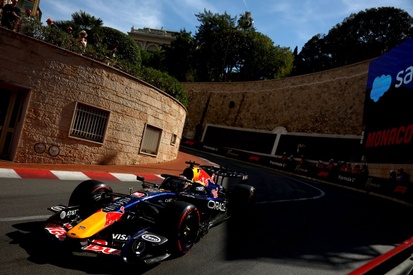
The outcomes of the first ADUO period, covering races up to the Canadian Grand Prix, are already known within the paddock. Red Bull-Ford leads the rankings, meaning they cannot introduce any upgrades. Mercedes falls into the category of having an ICE deficit of between 2-4%, granting them one token. Ferrari, Audi, and Honda are all more than 4% behind, receiving two upgrades this season and two more for next year.
Likelihood of Changes in ADUO Results
It is highly unlikely that the overall picture will change. The additional verification appears to confirm that Red Bull-Ford will once again lead in terms of ICE performance. There is also little doubt that Ferrari, Audi, and Honda are significantly behind, with Honda having the largest gap to close, though it is no more than 10% according to sources.
Mercedes has stated that the measurement methods and dataset compiled by the FIA are extensive and that the factual picture based on these figures is clear. They argue that changing the outcome would be extremely difficult given the work already underway.
Upgrades Before Official Announcement
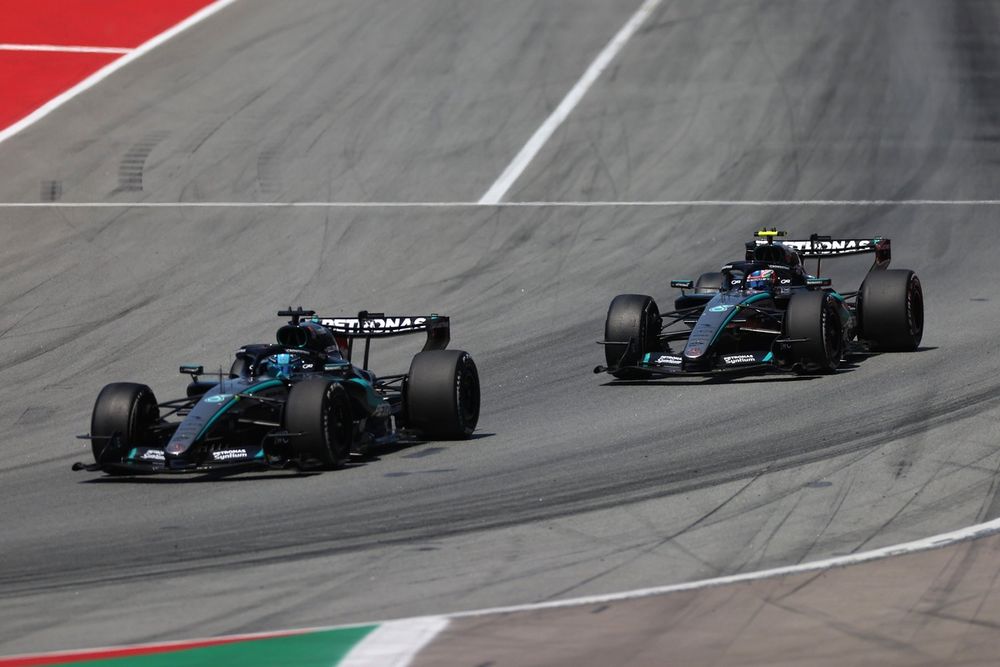
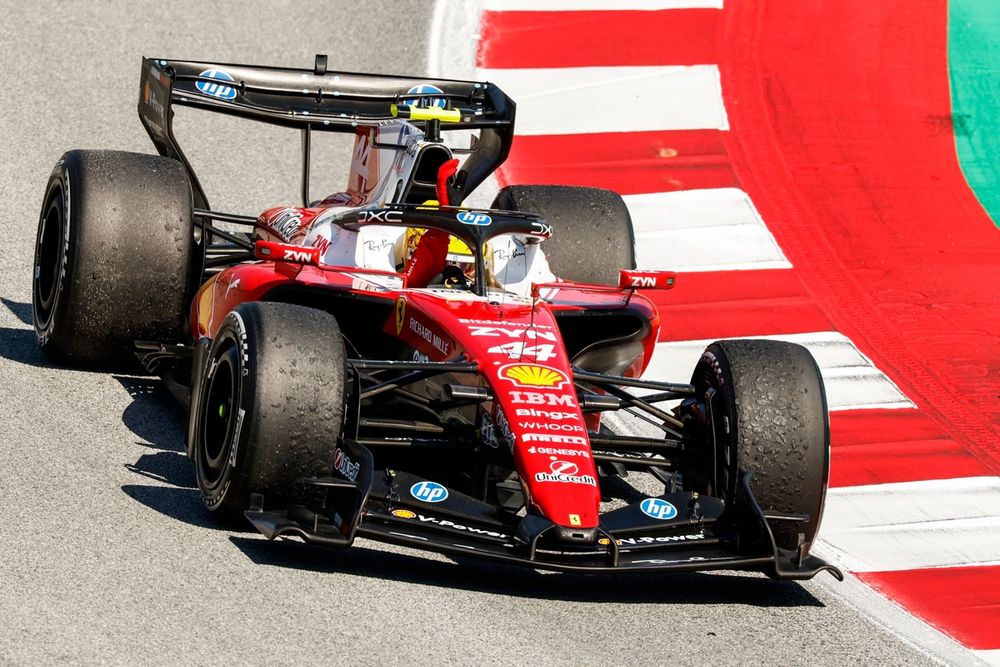
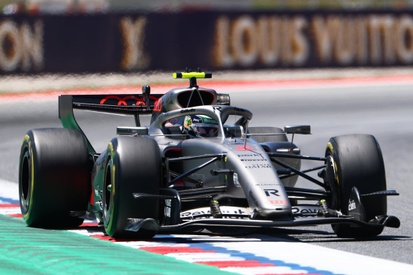
One aspect that may surprise fans is that ADUO upgrades have already appeared on track before any public announcement. Audi ran an updated power unit in Barcelona, while Ferrari brings its first ADUO upgrade of the year to Austria. Honda has planned an upgrade around the F1 summer break.
This is allowed because the message from the FIA in Monaco is still valid, representing the official green light to introduce new parts. Communication between the FIA, teams, and manufacturers is crucial, though not necessarily public.
The ADUO System’s Effectiveness
While Red Bull’s request concerns a factual verification, deeper issues with ADUO appear to exist. The system measures only the internal combustion engine (ICE), while permitted upgrades extend beyond that to include the electrical side of the power unit. Additionally, parameters such as Ferrari’s smaller turbo are not considered, despite their impact on power output.
These were deliberate choices made by manufacturers in the spring of 2025, aiming to keep the system as simple as possible. FIA single-seater director Nikolas Tombazis suggested he would have been open to making the parameters more complex, including other parts of the power unit and incorporating championship standings.
Conclusion
The current situation raises the bigger question of whether the ADUO system requires a rethink in the long term. Instead of serving as a safety net for manufacturers with a sizeable deficit, it has become a major political battleground in the paddock. As the verification process continues, the Formula 1 community awaits clarity on how the system will shape the competitive landscape moving forward.
- Author: Tyo Murty




















At the moment there is no comment