
What to Do if Your Flight Is Cancelled: Expert Travel Tips

info Adjust the font size of this article to get the best reading experience.
Navigating Flight Cancellations Like a Pro
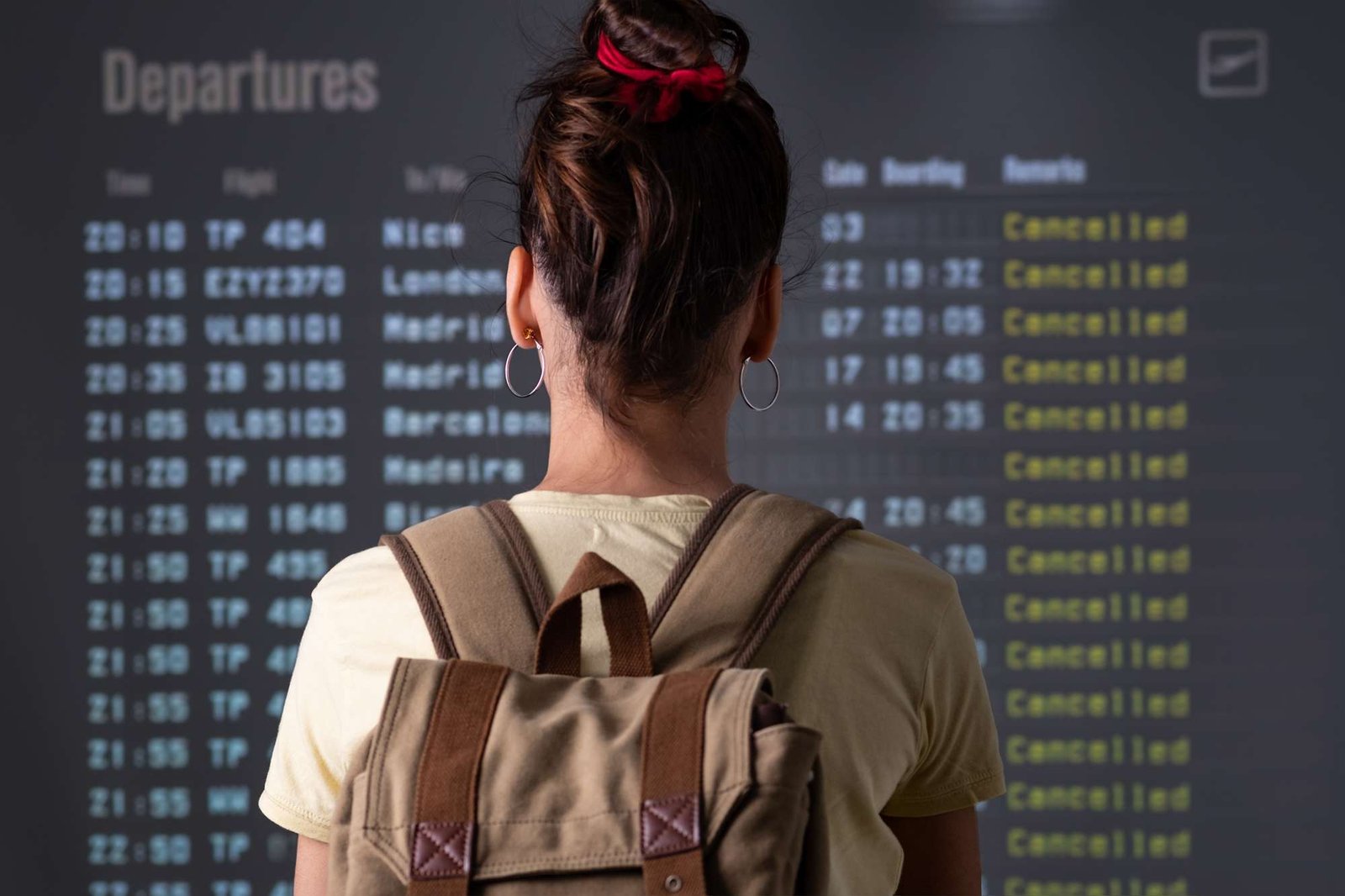
Flight cancellations can be one of the most frustrating experiences for travelers. Whether it’s due to weather, crew shortages, or mechanical issues, these disruptions can throw even the most carefully planned trip into chaos. However, with the right strategies and information, you can minimize the stress and navigate these situations like a pro.
How to Find Out If Your Flight Is Canceled
The first step in handling a flight cancellation is knowing about it as soon as possible. According to Jesse Neugarten, founder of Dollar Flight Club, checking your airline’s app or website is the fastest way to find out if your flight has been canceled. He also recommends setting up email or text alerts as soon as you book, as airlines usually send updates instantly if your itinerary is impacted.
In addition to the airline’s resources, tools like FlightAware provide an extra layer of visibility. By entering your flight number, you can see real-time updates from the Federal Aviation Administration (FAA) and airline data systems. This platform also lets you track the aircraft’s inbound journey, offering insights on whether your plane is arriving on time—or if it’s already delayed.
Neugarten suggests checking FlightAware both the night before and the morning of your flight for early warning of delays or cancellations “well before they hit the airport monitors.”
How to Rebook
When it comes to rebooking a canceled flight, time is of the essence. As soon as you receive word of a cancellation, Neugarten advises pulling up the airline’s app or website to review rebooking options—even before getting in line at the gate. Airlines usually load alternate flight options right into the app when a cancellation happens, and sometimes you’ll even get rebooking offers without asking.
Options tend to fill up fast, so it’s imperative to act quickly. In the event of a cancellation, you can also try dialing the airline’s customer service line. Here’s a pro tip: if the U.S. line has long wait times, try calling their help desk in another country like Canada or the U.K. These representatives can often help, and the hold times are usually shorter.
If you booked through a third-party platform like Expedia or a travel agent, Neugarten recommends reaching out to them as well, since they may have access to different rebooking systems or waivers. Finally, don’t rule out switching airlines. Sometimes, it’s smarter to take the refund and book a new flight on a different airline, especially if your original airline is having a larger meltdown.
How to Get a Refund or Other Compensation
According to Katy Nastro, a travel expert at Going, federal regulations entitle you to a refund if your flight was canceled or significantly delayed. This applies to any airline as long as the flight is departing, arriving, or traveling within the United States. The reason for the disruption—whether it’s within the airline’s control or due to external factors like severe weather—doesn’t matter; the same rule still applies.
To receive a refund, you’ll need to decline any alternative transportation or travel credits offered by the airline. If the airline refuses to issue the refund, it’s recommended to file a complaint with the U.S. Department of Transportation.
Keep in mind that the above information applies only to domestic flights. Rules and regulations regarding international flight cancellations are a little murkier. However, passengers flying to Europe on a European airline or departing the EU may be entitled to up to roughly $700 under EU air passenger protections if their flight is delayed by more than three hours. In these cases, Neugarten suggests utilizing tools like AirHelp and Compensair, which make it easy to file claims and only take a cut if you get paid.
Tips for Avoiding Flight Cancellations
While no one can predict with complete certainty whether a flight will be canceled, there are smart strategies you can use to mitigate your risk. Here’s how to set yourself up for better outcomes when you travel:
- Book early morning flights: Early departures are more likely to leave on schedule because they haven’t been affected by delays building throughout the day.
- Fly nonstop: Flying nonstop reduces the chances of something going wrong. Fewer legs mean fewer opportunities for disruptions.
- Consider larger airports: Larger airports often have more resources, such as extra gates, spare aircraft, and larger crews, which can help in case of disruptions.
- Check a flight’s on-time history: Use tools like FlightAware to see if your flight is frequently delayed or canceled. This helps you make an informed decision before purchasing a ticket.
- Research your airline’s track record: Major airlines report their percentage of canceled flights to the U.S. Bureau of Transportation Statistics. This data provides valuable insight into an airline’s reliability.
- Author: Tyo Murty




















At the moment there is no comment