
Does Home Field Advantage Matter in the World Cup? A Historical Look

info Adjust the font size of this article to get the best reading experience.
The Ultimate Test: England’s Road to the World Cup
This weekend, England faces what could be the most challenging match of their World Cup journey. Sunday’s round of 16 encounter against Mexico at the Azteca Stadium is more than just a game — it’s a test of endurance, mental strength, and resilience. The high altitude, the deafening atmosphere, and the potential for questionable officiating all add to the intensity of this showdown. For England, it’s not just about winning; it’s about proving they can handle the pressure of playing on foreign soil in one of the most hostile environments in international football.
The Azteca Stadium has long been a fortress for Mexican teams, with a reputation for intimidating opponents. But history shows that even the most formidable home records can be broken. In fact, some of the most memorable World Cup moments have come when the host nation fell short of victory. This makes the upcoming clash between England and Mexico all the more intriguing.
A Look at Home Field Advantage Through the Years
Italy, 1934
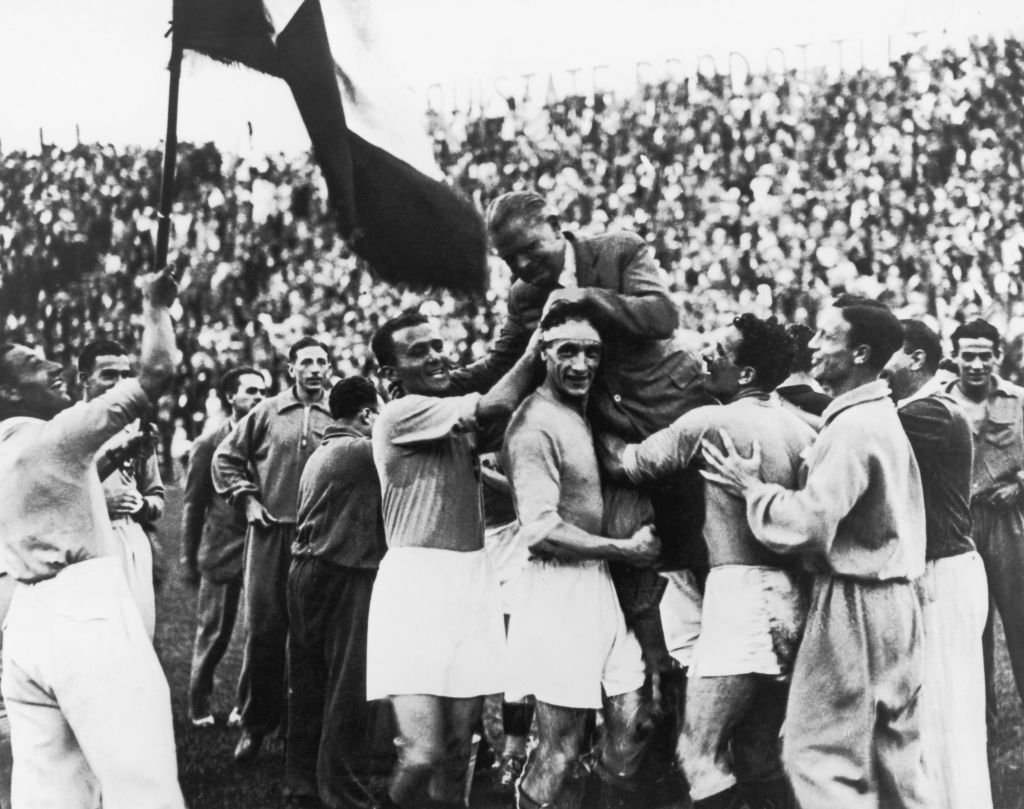
The first two World Cups were won by the host nations — Uruguay in 1930 and Italy in 1934. However, Italy’s victory was marred by controversy. Benito Mussolini’s regime used the tournament as a political tool, and many questioned whether the outcome was fair. Italian writer Marco Impiglia later described the win as “questionable” and raised doubts about the officiating.
Despite this, Italy went on to become the first team to win a World Cup away from home, defeating France in 1938.
Brazil, 1950
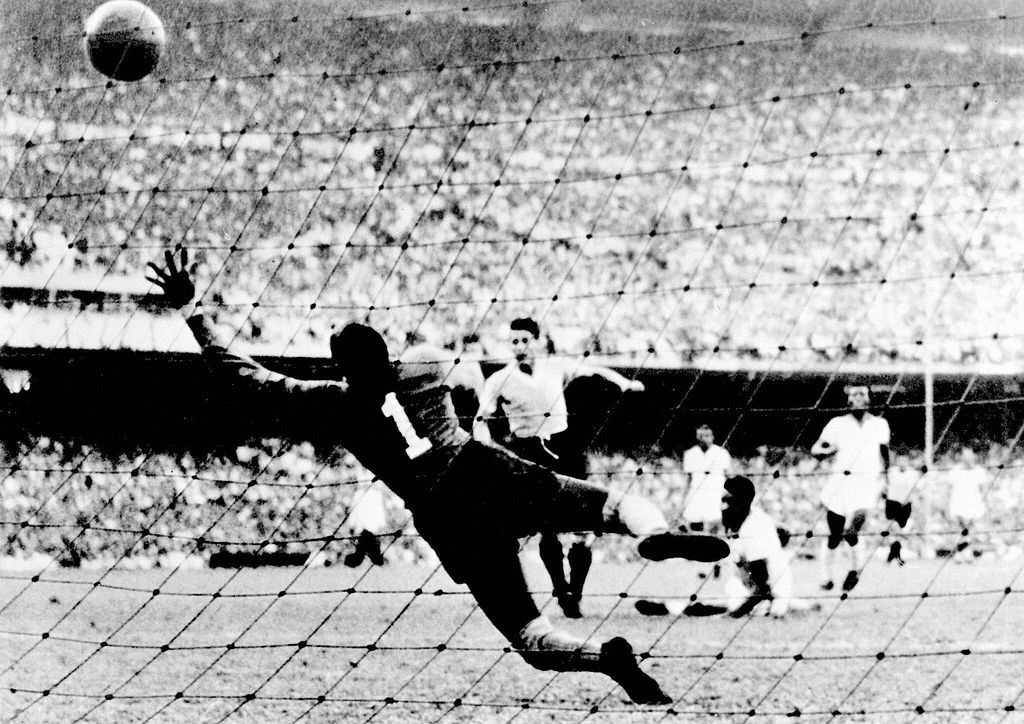
Brazil, the five-time World Cup champions, has never won on home soil. Their 1950 loss to Uruguay at the Maracanã Stadium is still considered one of the most shocking moments in football history. With over 200,000 fans in attendance, Brazil needed only a draw to claim the title but lost 2-1. Alcides Ghiggia, who scored the winning goal, once said he had silenced the crowd three times: “The Pope, Frank Sinatra, and me.”
This loss haunted Brazil for decades, especially when they hosted the 2014 World Cup, where they suffered a 7-1 defeat to Germany.
England, 1966
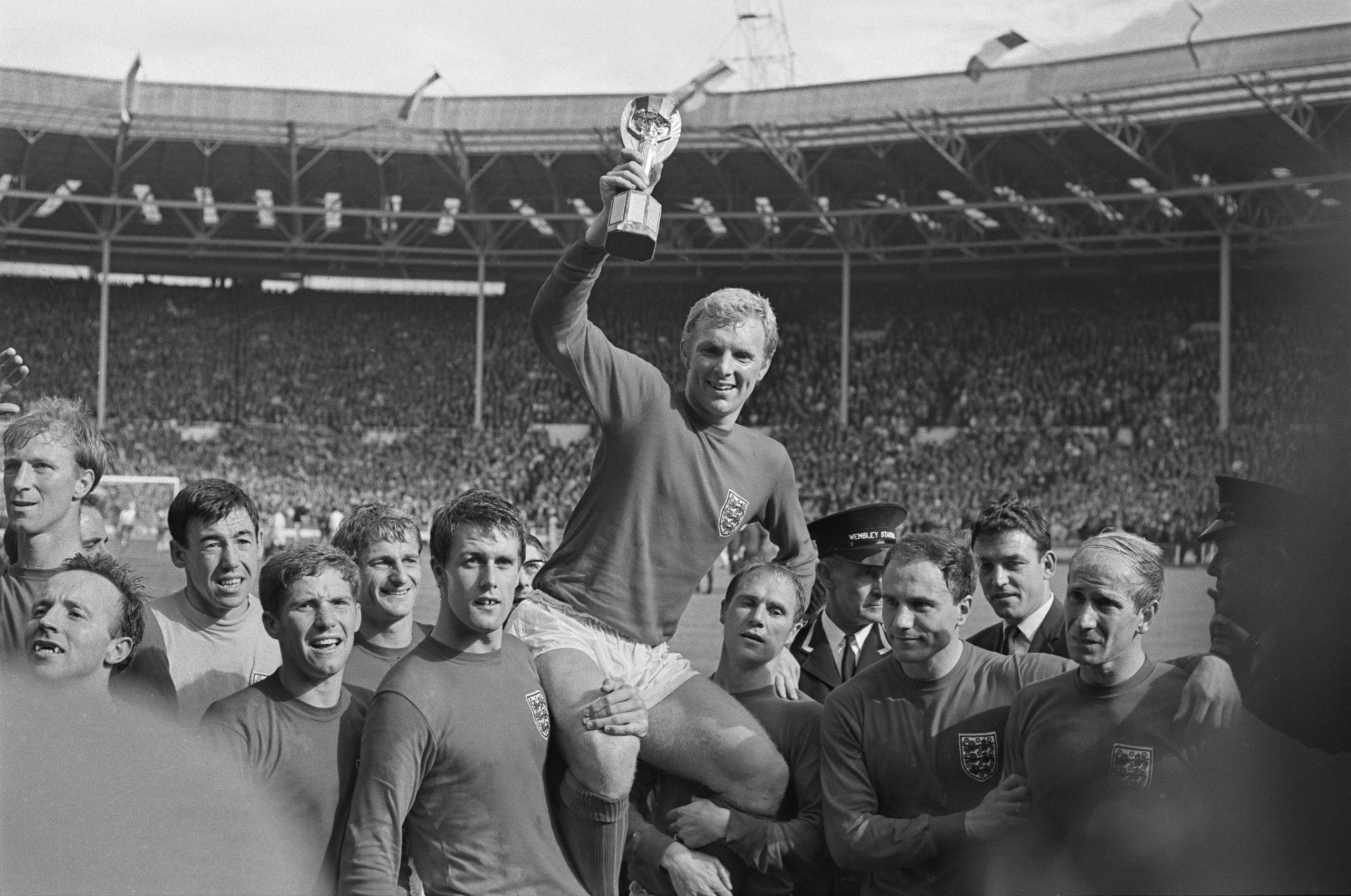
England’s only World Cup victory came on home soil, but it wasn’t without controversy. In the final against West Germany at Wembley Stadium, Geoff Hurst’s shot in extra time bounced off the crossbar. The goal was awarded, leading to a 4-2 victory. The decision sparked debates that continue to this day.
Argentina, 1978
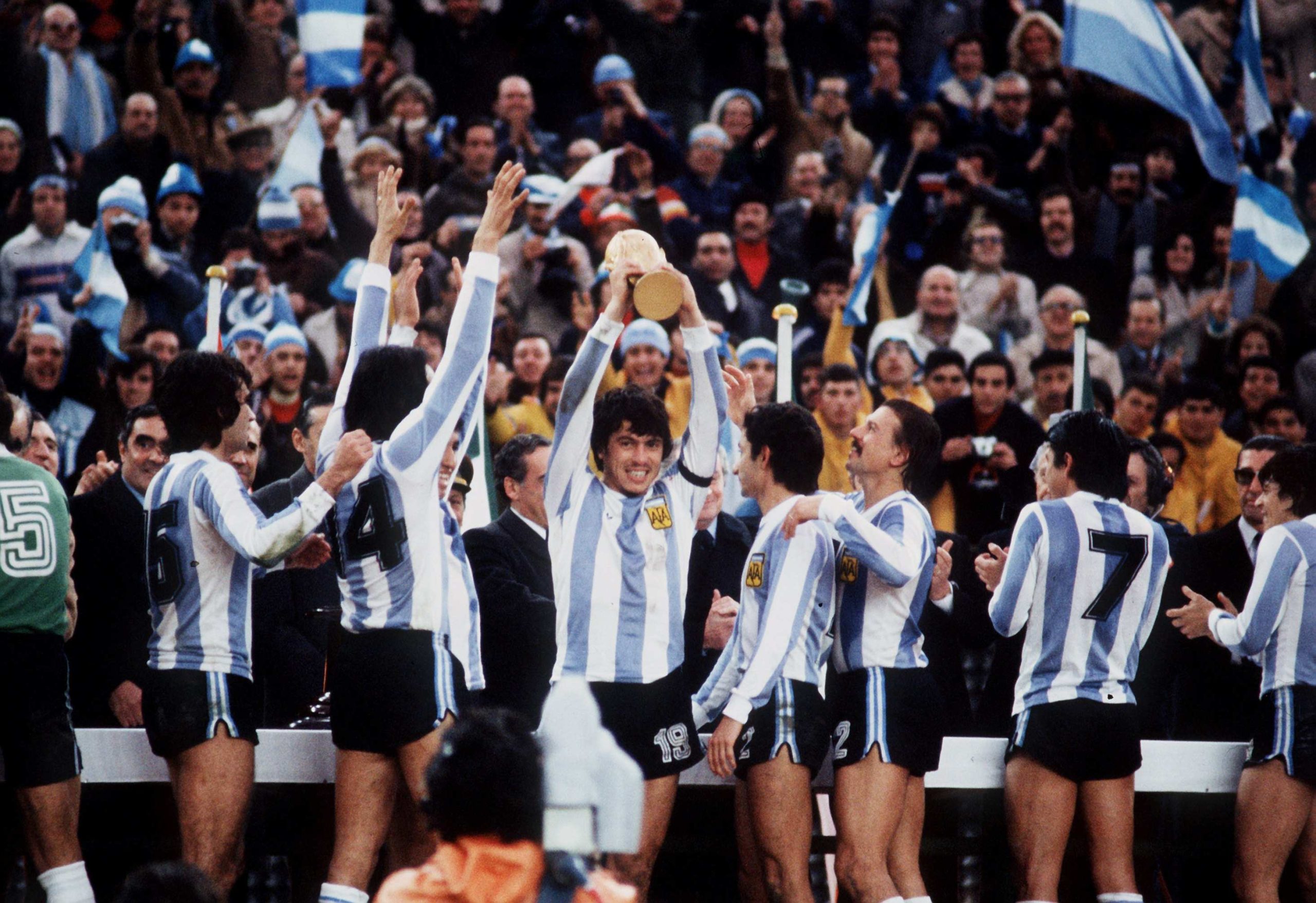
Argentina’s 1978 World Cup win was also surrounded by controversy. The Netherlands, who had lost back-to-back finals in 1974 and 1978, faced Argentina in a tense semifinal. The Argentines took the field several minutes after the Dutch, leaving them alone in front of a hostile crowd. There was also a dispute over whether a player could play with a cast on his hand.
Argentina eventually won 3-1 in extra time, but conspiracy theories about the match persisted.
Italy, 1990
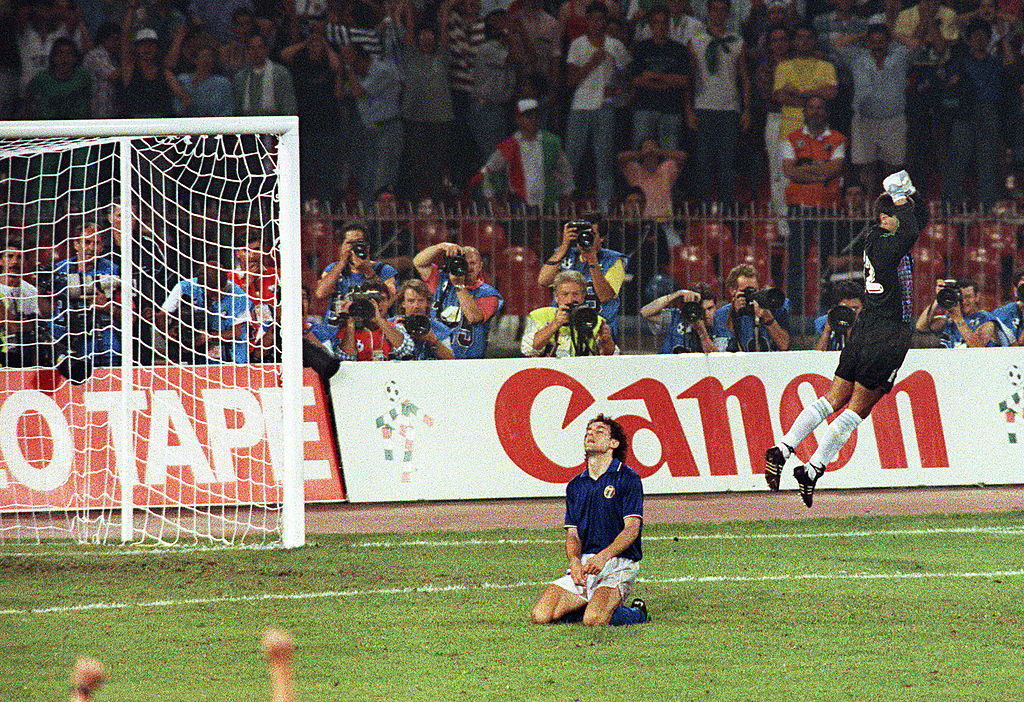
Diego Maradona tried to exploit divisions between northern and southern Italians during the 1990 World Cup semifinal against Italy. Despite his efforts, the local fans supported Italy. Argentina managed to score against the Italians, drawing 1-1 before winning the penalty shootout. However, they faced an unwelcoming reception in the final and lost to West Germany.
France, 1998
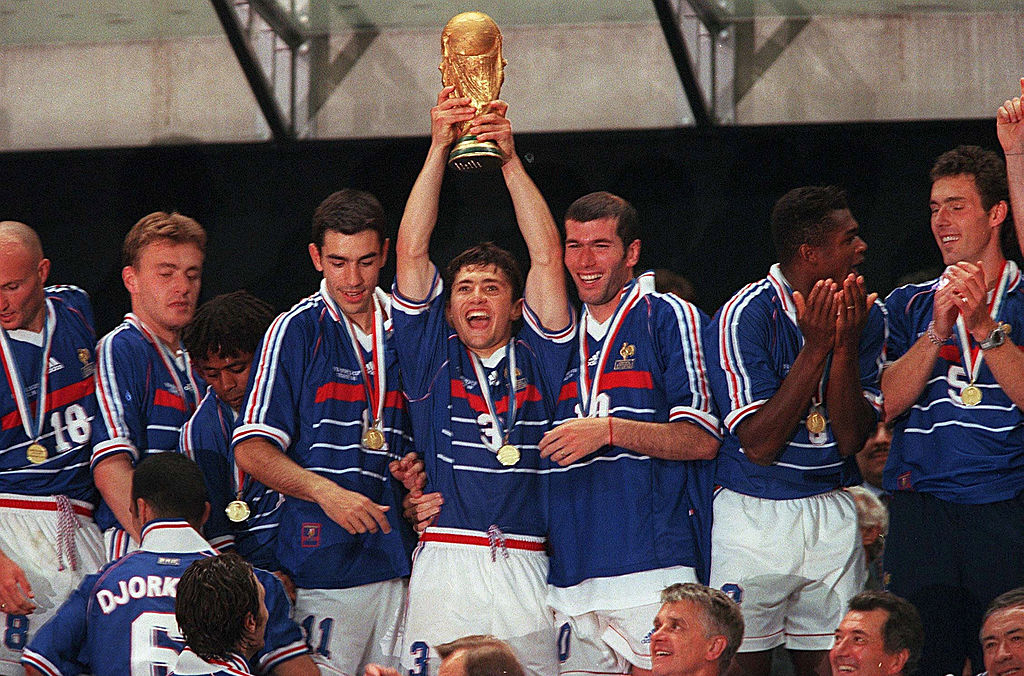
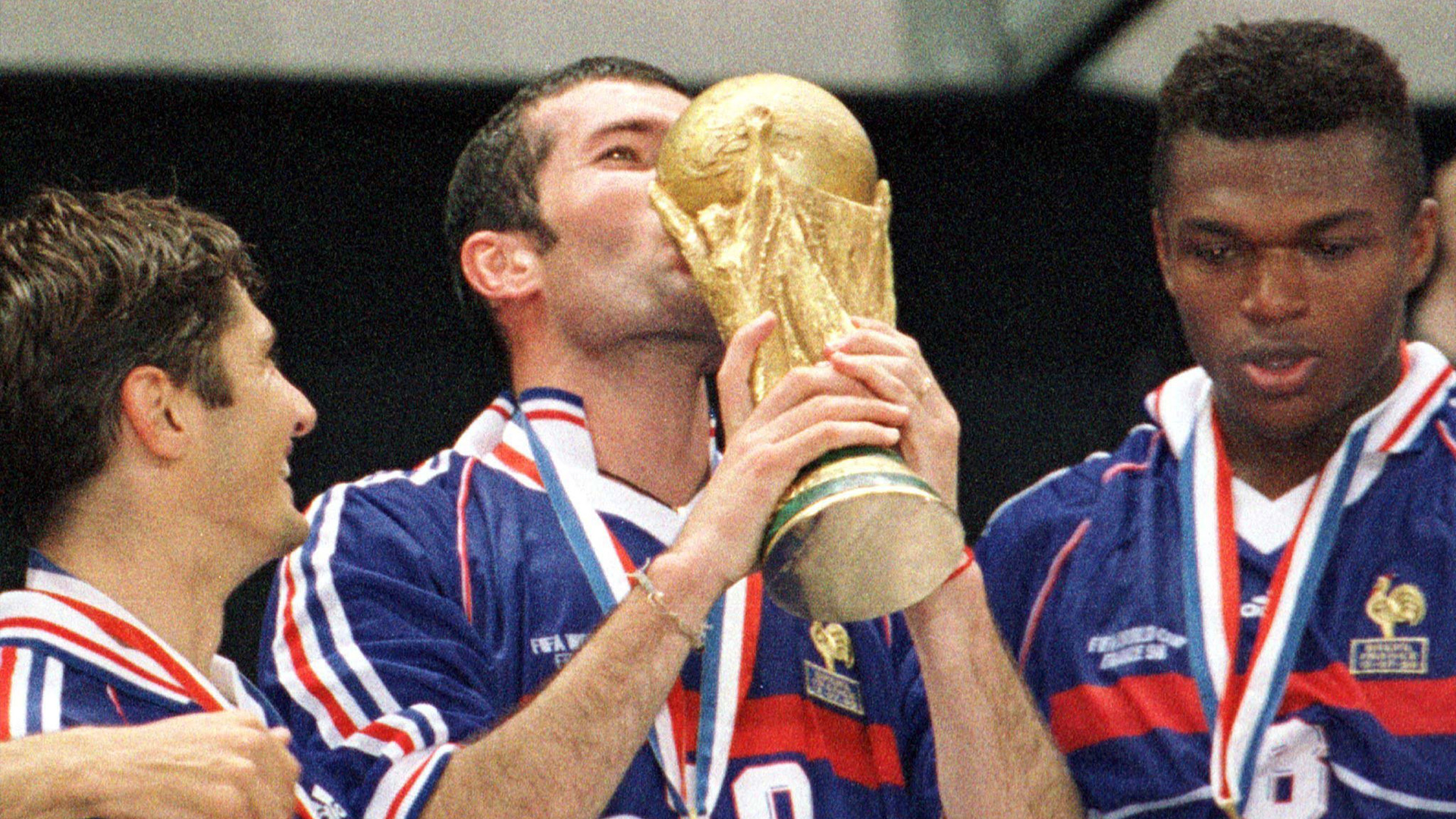
France became the most recent host nation to win the World Cup, ending their long wait for a title. They defeated Brazil in the final, denying the South Americans a repeat championship. This victory marked a turning point for French football.
South Korea, 2002
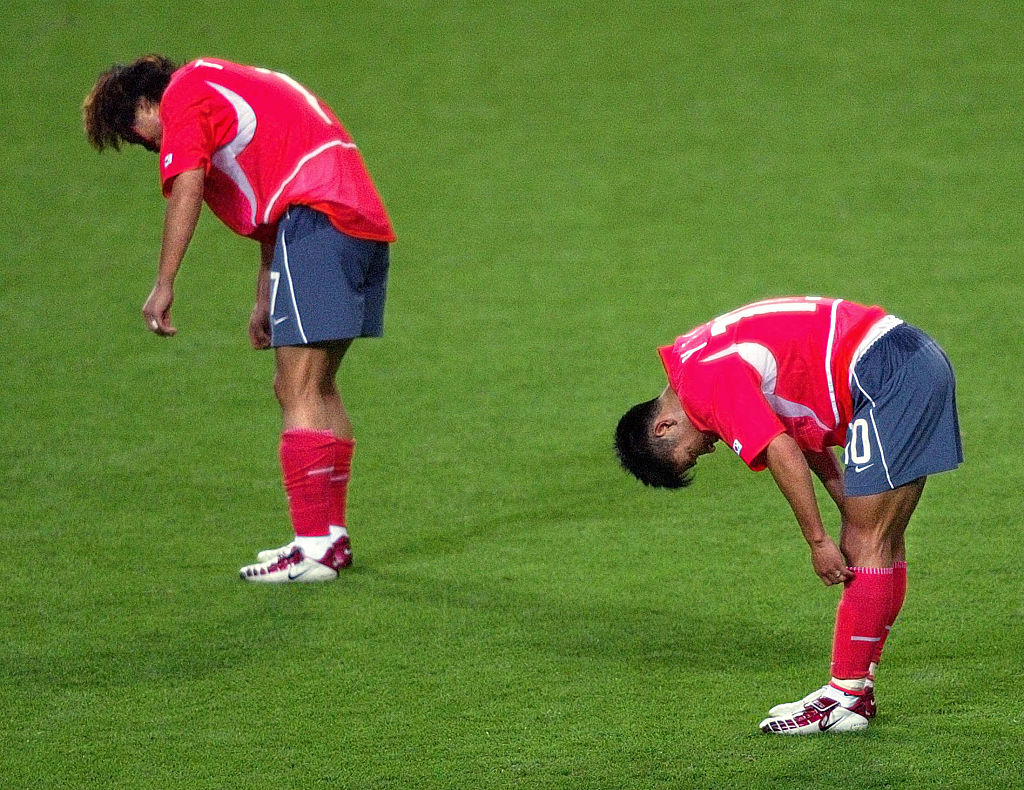
South Korea made a remarkable run in the 2002 World Cup, co-hosted with Japan. Italy and Spain both faced controversial decisions in their matches against South Korea. After losing to the Koreans in extra time, Italy received thousands of complaints from fans about the officiating. In the quarterfinals, Spain was eliminated on penalties after multiple goals were disallowed.
FIFA president Sepp Blatter denied any conspiracy but admitted there were some bad calls.
- Author: Tyo Murty




















At the moment there is no comment