
US Launches New Strikes on Iran Following Military Attacks

info Adjust the font size of this article to get the best reading experience.
Escalation of Tensions Between the U.S. and Iran
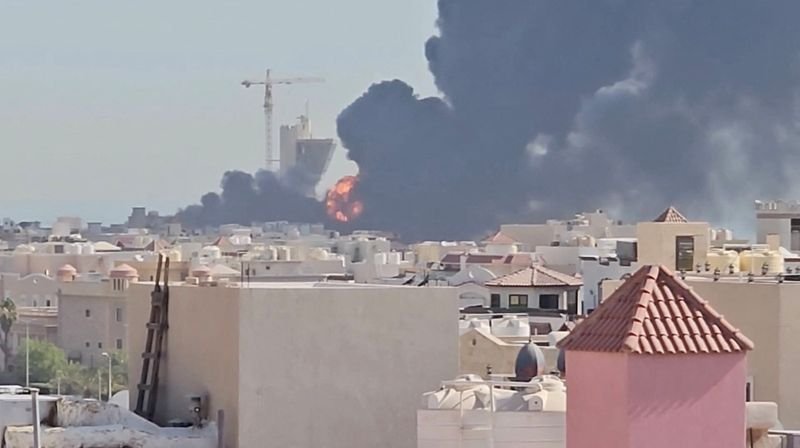
The United States has carried out a series of airstrikes against Iran, marking the eighth consecutive night of attacks. This comes after reports of two U.S. military personnel being killed in Jordan and another missing following an Iranian attack. The ongoing conflict has intensified since an interim ceasefire deal collapsed last week, raising concerns about a potential return to full-scale war.
U.S. Strikes Target Iranian Military Facilities
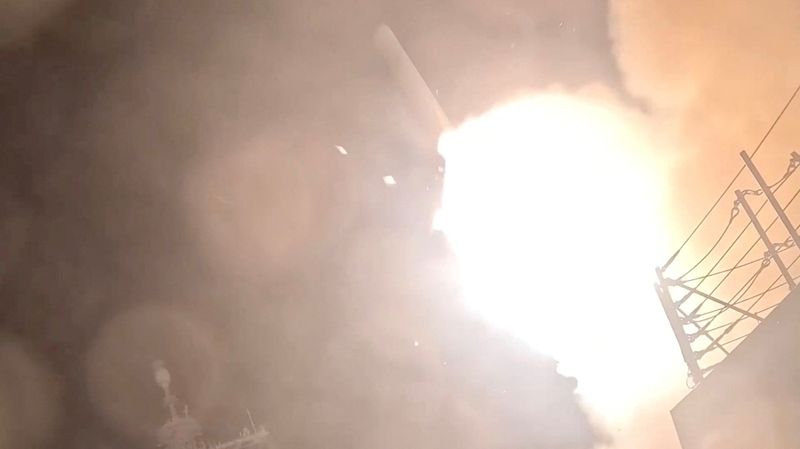
U.S. Central Command announced that the latest airstrikes began at 6 p.m. ET on Saturday, under the direction of former President Donald Trump. The strikes were aimed at degrading Iran’s ability to threaten commercial shipping in the Strait of Hormuz and punishing the Islamic Revolutionary Guard Corps for attacks on American service members in Jordan.
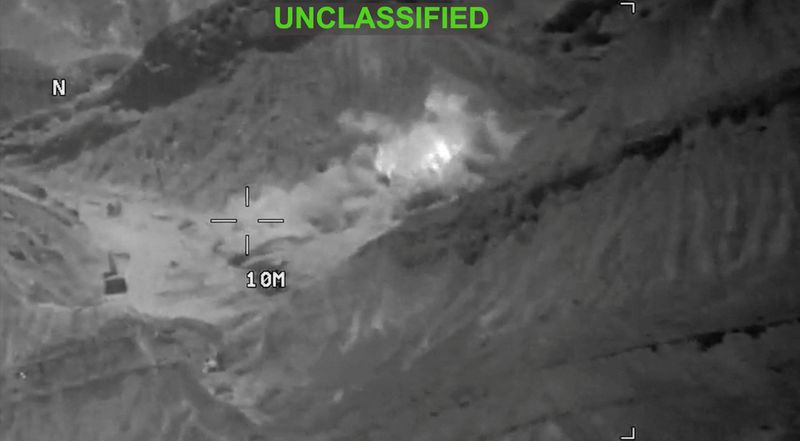
Central Command later confirmed that the attacks had been completed, targeting Iranian military coastal surveillance and air defense facilities. According to Iran’s Mehr news agency, the U.S. conducted an attack near Sirik in southern Iran, though no casualties or infrastructure damage were reported. The Tasnim news agency mentioned a strike near Shadegan, close to the border with Iraq.
Iran’s Atomic Energy Organization condemned a U.S. attack on a nuclear power plant under construction in Darkhovin, as reported by Mehr, although the timing of the strike was not specified.
Iranian Response and Attacks on U.S. Assets
In response to the U.S. strikes, Iran launched a drone attack targeting U.S. military assets and equipment at Kuwait’s Al-Adiri camp and Ali Al Salem Air Base. Iranian state TV reported that both bases were targeted as part of Iran’s attacks against U.S. assets and allies in the Gulf since last week.
Gulf States Face New Iranian Threats
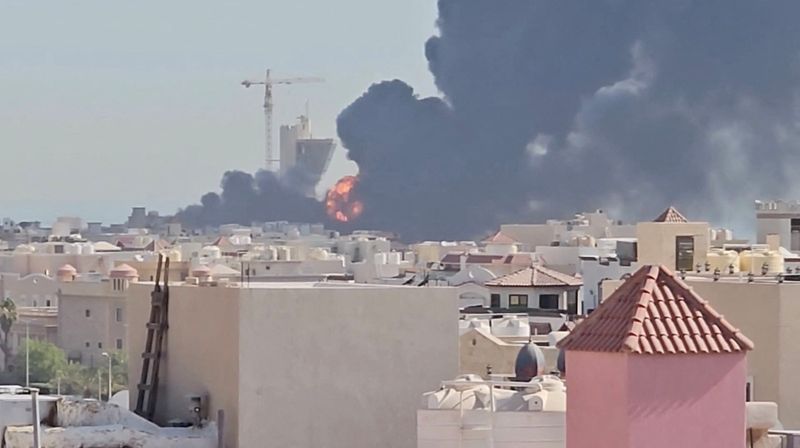
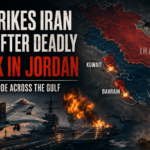
Two Gulf states, Kuwait and Bahrain, have come under fresh Iranian attacks. Kuwait’s army intercepted Iranian missiles and drones on Sunday, following sustained attacks on Saturday. Bahrain’s air defenses also intercepted an Iranian attack, according to its state TV. No casualties or damage were reported, and Iran did not claim responsibility for these attacks.
The U.S. embassy in Jordan stated that the international airport and seaport in Aqaba had been evacuated due to a “specific and credible threat.” However, Jordanian authorities said they had detected no potential threats and had not issued an evacuation order.
On Saturday, Iranian state TV reported that Iran destroyed at least two U.S. fighter aircraft during a missile and drone attack on a U.S. military base in Jordan.
Impact on Shipping and Regional Security
In recent days, both sides have targeted shipping traffic. The U.S. claims it is enforcing a naval blockade on Iran, while Tehran asserts it targets vessels that violate its rules on navigating the Strait of Hormuz, which handles one-fifth of global oil supply.
Iran’s Islamic Revolutionary Guard Corps stated that four vessels attempted to transit the strait via an “unsafe route” with U.S. backing after ignoring IRGC warnings. Two of the vessels abandoned the attempt, while the other two were involved in an “accident,” though details remain unclear.
Loss of U.S. Service Members
U.S. Central Command confirmed the deaths of two service members on Friday and the loss of a third in action. This brings the total number of U.S. service members killed since the war began to 16, with over 420 wounded. Defense Secretary Pete Hegseth expressed determination, stating, “Their sacrifice only stiffens our resolve.”
Iran’s Health Ministry reported that 50 people had been killed and more than 500 wounded in U.S. strikes on the country over the past three weeks alone.
Broader Implications of the Conflict
The conflict, which started when the U.S. and Israel launched strikes on Iran on February 28, aimed to disable its nuclear and missile programs and weaken its regional proxies. The situation has led to major disruptions in energy supplies, fears of global inflation, and a struggle for control of the Strait of Hormuz.
In a statement carried by Iranian state media, Supreme Leader Ayatollah Mojtaba Khamenei criticized U.S. actions, calling President Donald Trump’s signature “utterly worthless and devoid of credibility.” He warned of “even heavier costs and further humiliation” for the United States. The White House did not respond to requests for comment.
Khamenei’s whereabouts remain unknown, as he has not appeared in public since before his father, former Supreme Leader Ali Khamenei, was killed in an airstrike on the first day of the U.S.-Israeli war against Iran on February 28.
- Author: Tyo Murty


















At the moment there is no comment