
The bone-building myth you need to stop believing


info Adjust the font size of this article to get the best reading experience.
When scrolling through your TikTok feed, it’s not uncommon to come across a variety of health-related tips, tricks, and product endorsements. These can range from the seemingly harmless to the potentially misleading. Sorting through the noise to find accurate information can be overwhelming. However, the internet isn’t the only source of health myths; some have been around for decades. For instance, the idea that crossing your eyes will cause them to stay that way or that humans only use 10% of their brains are both widely believed but completely false. Experts at the Fort Lauderdale Eye Institute and Scientific American confirm these as myths. Similarly, the claim that consuming too much protein is harmful to bones has also been debunked.
According to research published in Current Opinion in Clinical Nutrition and Metabolic Care in 2014, increasing protein intake—especially when paired with adequate calcium—can actually benefit bone health. This is due to several factors, including stronger muscles, higher levels of insulin-like growth factor-1 (IGF-1), and improved calcium absorption in the intestines. So, where did the myth about excessive protein being bad for bones originate?
How the Protein Myth Got Started

A 2013 scientific review published in the British Journal of Nutrition explains the origins of the belief that too much protein is detrimental to bone health. It traces back to the acid load hypothesis, which suggests that certain foods, particularly animal proteins, may increase acid production in the body, leading to bone deterioration. This theory was based on studies from the 1960s involving patients with chronic kidney disease, who showed that high-protein diets could lead to increased acid levels in the body.
However, more recent research has challenged this view. Studies now show that higher protein intake, beyond standard dietary guidelines, is associated with greater bone mineral density (BMD), slower bone loss, and a lower risk of hip fractures. The current recommended daily intake for protein is 0.8 grams per kilogram of body weight.
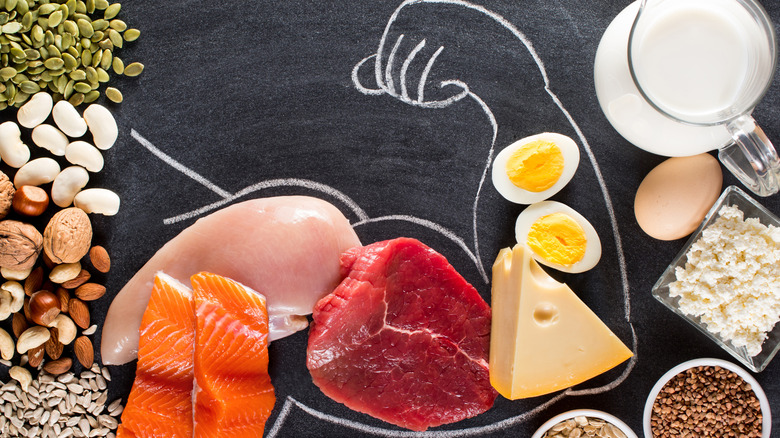
Animal Protein and Plant-Based Protein Are Both Great for Bone Health
While protein is essential for overall health, debunking the myth about excessive protein being harmful to bones can be especially beneficial for older adults, who are more prone to bone loss as they age. According to the 2014 scientific review, no negative effects on bone health have been found in relation to increased protein consumption. Moreover, whether one chooses animal-based or plant-based protein sources appears to make little difference, as long as sufficient calcium and other nutrients are consumed. Both types of protein have been shown to support bone health and reduce the risk of hip fractures.
It’s important to note that while protein plays a role in maintaining strong bones, it’s not the only factor. Physical activity, especially resistance exercises, is crucial for strengthening bones. Therefore, relying solely on high-protein diets to maintain bone health is not advisable. The Mayo Clinic warns that short-term, high-protein diets may not be safe for everyone. Before making any significant changes to your diet, it’s always wise to consult with a healthcare professional.
- Author: Tyo Murty


















At the moment there is no comment