
Starship Back in Action After May Booster Mishap

info Adjust the font size of this article to get the best reading experience.
FAA Approves SpaceX for Next Starship Test Flight
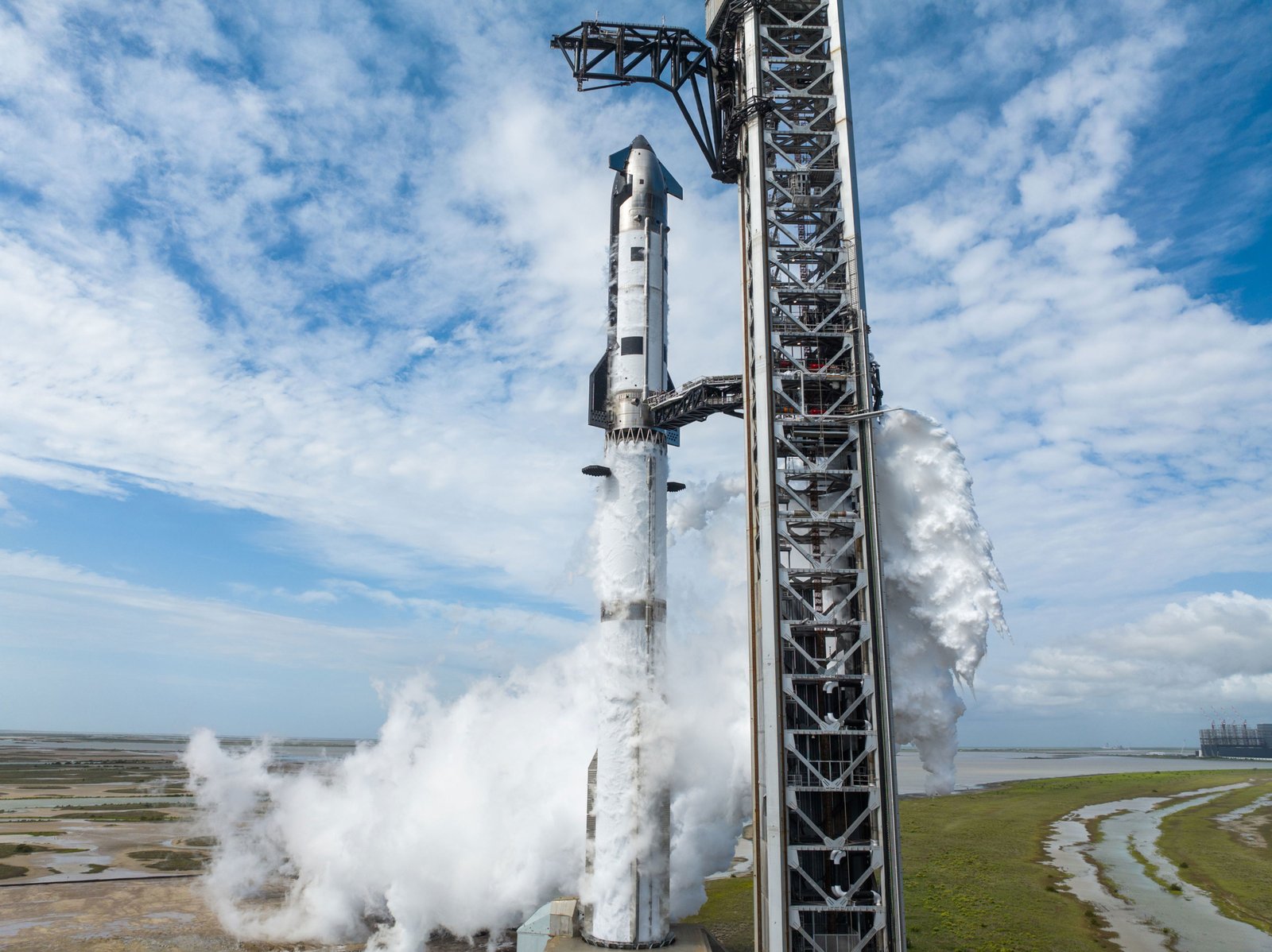
The Federal Aviation Administration (FAA) has given SpaceX the green light to conduct another test flight of its Starship prototypes. This decision comes after the company identified the likely cause of a failure in the booster stage during a flight in May. The next Starship launch is expected to take place as early as Thursday, July 16. This will be the second test flight of the third version, or V3, of Starship. Additionally, this mission will carry the first third-generation Starlink satellites into space, marking a significant step forward for SpaceX.
A New Era for Starship and Starlink
This upcoming test flight represents a milestone for SpaceX as it continues to refine its rocket technology. The V3 Starship is designed to carry more advanced Starlink satellites, which are expected to enhance the satellite network’s capacity and improve user speeds. During this launch, SpaceX plans to deploy 20 of these new satellites. These satellites are engineered to connect with the larger Starlink constellation using high-capacity lasers and will burn up in the atmosphere approximately 20 minutes after deployment. Six of them will be equipped with cameras to capture images of the Starship’s exterior.
Lessons from the Previous Flight
The first test launch of the V3 Starship on May 22 was largely successful. The Super Heavy booster lifted the 407-foot rocket into space before the upper stage separated and deployed 20 satellite simulators along with two modified Starlinks that recorded footage of the Starship’s exterior. However, the new third-generation booster was supposed to return to Earth and perform a simulated landing in the Gulf of Mexico. Unfortunately, its engines failed to re-ignite properly, causing it to crash into the water below.
According to SpaceX and the FAA, the issue occurred during the booster separation. SpaceX attributed the problem to “slight differences in engine startup on the ship,” which caused the Booster to turn 90 degrees in the wrong direction. To address this, the company has modified the engine startup sequence to allow the booster to flip in the desired direction more reliably. They have also improved the re-light reliability of the booster.
Addressing Technical Challenges
The FAA stated that the most probable root causes of the Super Heavy booster failure were “heat effects on propulsion system components during the [rocket’s] ascent and erroneous engine alarm system settings.” In response, SpaceX has made changes to Starship’s engine alarm and abort systems to reduce the likelihood of similar failures in the future.
Despite losing one of the three Raptor engines during the May flight, the first upper stage of Starship V3 successfully deployed its test payload and simulated a landing in the Gulf of Mexico—a goal SpaceX had struggled to achieve previously. The company has since implemented several hardware and operational modifications to prevent such issues from recurring.
The Future of SpaceX
The V3 versions of both Starship and Starlink are essential to SpaceX’s long-term vision. Starlink has been the only profitable segment of SpaceX’s business leading up to its initial public offering (IPO). By developing a fully reusable rocket system, SpaceX aims to advance its ambitious plans for space-based data centers and interplanetary travel.
With the FAA’s approval, SpaceX is poised to continue its iterative approach to rocket development—often characterized by what CEO Elon Musk calls “rapid unscheduled disassembly.” As the company moves forward, it remains committed to pushing the boundaries of space exploration and technological innovation.
- Author: Tyo Murty



















At the moment there is no comment