
How to Trim Overgrown Shrubs Without Damaging Your Lawn

info Adjust the font size of this article to get the best reading experience.
Understanding the Need to Remove a Large Shrub
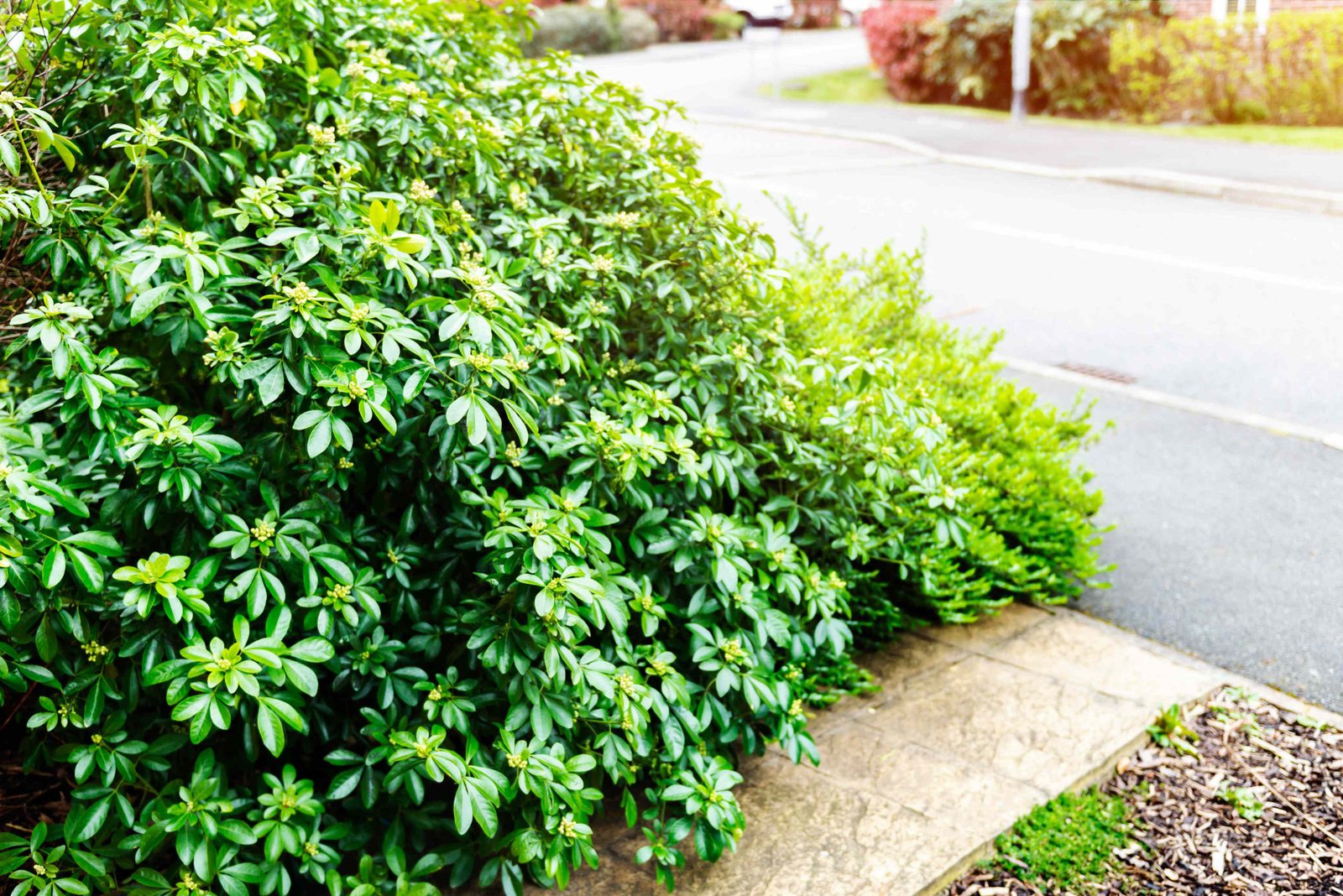
It has happened to us all. We just can’t imagine that the lovely little 2 foot shrub we brought home from the nursery will turn into a six-foot behemoth. Seemly overnight, it is blocking daylight or the driveway, and it just has to go. I can’t promise that removing it will be as easy as planting it, but it can be done without destroying your yard.
How To Decide If a Shrub Needs to Go
Deciding to remove a large shrub isn’t just about changing your mind or landscape design. You may love the plant, but it has reached a point where it is diseased, blocking the driveway or sidewalk, or crowding out other plants. After years of pruning, the shrub may be misshapen and will never look attractive again. If a shrub is causing safety issues, is diseased, or is causing damage to structures, it should be removed.
Best Time of Year to Remove Shrubs in the South
If possible, it’s best to wait until late fall, winter, or early spring to remove a large shrub in the South. First, temperatures are much more moderate for outdoor work, the ground is usually moist after winter rains, and the shrub is dormant. As a bonus, those seasons are ideal for planting a replacement shrub or re-establishing a lawn if it is damaged during the shrub removal.
What You’ll Need
It’s best to gather everything you need before you begin removing the shrub. Depending on the size of the plant, you will need:
- Hand pruners, loppers, or a pruning saw
- Shovel
- Mattock
- Root saw or a reciprocating saw
- Protective eyewear, gloves, protective clothing, and steel-toed boots
Safety First
Before digging around your home, especially when removing large shrubs, you should call 811 to be sure you won’t sever any utility lines. Call about three days in advance so workers can come to your property and mark the lines. You and they will be glad you took this precaution.
Method 1: Digging Out Shrubs the Right Way
If the shrub is small (less than four feet tall) or shallow-rooted (rhododendrons, azaleas, boxwoods, or Japanese spirea), follow these steps to dig out the plant. Removal by this method helps minimize damage to lawn turf and surrounding plants.
- Note the circumference of the shrub. The root ball boundary or the outer edge of the soil-and-root mass typically extends from the main stem to just beyond the edge of the foliage.
- Use hand pruners or loppers to cut back as much of the top growth as possible. Toss clippings into a wheelbarrow or tarp for easy removal.
- Use a pointed shovel to dig a trench around the root ball boundary, exposing the root system.
- Use the ax head of a garden mattock to cut through the roots at the base of the stump.
- Once the main roots have been severed, use the hoe end of the mattock and the shovel to loosen the soil and rock/pry/lift the stump out of the ground.
Method 2: Cutting and Removing in Sections
If the shrub is large with thick branches, you may find it easier to remove it in sections. While a chainsaw is the quickest method for severing large limbs, you should only use one if you are proficient with power tools. The same task can be accomplished with a pruning saw and sweat equity. Slow, sectional removal is best for large shrubs near structures to prevent damage to patios, fences, or foundations.
A larger shrub will have thicker, deeper root systems. A reciprocating root saw will make removal much easier than attempting to chop through roots by hand. After severing the large roots, use a mattock or shovel to loosen soil for easier removal.
Method 3: Letting the Shrub Die Naturally
If digging out a large shrub just isn’t possible due to location or a bad back, you can speed the process of letting the shrub die. A dead specimen is easier to remove than a healthy shrub and can cause less damage to the surrounding lawn or plants. To speed the process using chemicals (takes about one month):
- If the shrub has leaves, spray them with a systemic herbicide, such as glyphosate, during the active growing season (June-October) so the chemical travels to the roots. Please note: Any overspray of this herbicide will kill anything green. Work carefully.
- Cut the shrub down to the ground using a saw or loppers. Within 10 to 15 minutes, paint or spray a high-concentration systemic herbicide (glyphosate or triclopyr) directly onto the cambium layer (the inner bark) of the stump.
To speed the process without chemicals (can take up to one year):
- Stop watering the plant.
- Cover the entire shrub with a heavy, light-blocking tarp or black plastic sheet to prevent photosynthesis.
What Not to Do
I know you’ve seen folks hook a chain to a big shrub and the other end to a truck or tractor bumper to rip it out of the ground. I’ve also seen the bumper left behind with the chain or a huge hole and chewed up lawn from tires when all was said and done. A more gentle approach is a safer method. Trying to rototill around the shrub to loosen the soil is seldom productive and can damage both your rototiller and surrounding plants. When using chemical methods to kill the shrub, be sure to protect desirable plants from overspray.
How to Repair the Area After Removal
Once the shrub is gone, take some time to dig out as many roots as possible to prevent regrowth and make planting a new shrub, if desired, easier. If not replanting a shrub, fill the hole and level the ground, being sure to slope it away from structures for proper drainage. When replanting a shrub or turfgrass, add compost or aged manure to the area to improve the soil’s fertility, structure, and drainage. If the removed shrub was healthy, you can often replant immediately, especially in late fall or early spring. If the shrub was diseased or large roots remain in the soil, waiting at least six months to a year is recommended.
When to Call a Professional
If the shrub is exceptionally large or located next to a structure or power lines, it’s best to call a professional tree service or landscaper to tackle the removal. They have the proper equipment to handle large root structures and to remove the debris without damaging your home, lawn, and garden.
- Author: Tyo Murty


















At the moment there is no comment