
The affordable hybrid SUV for stress-free Fourth of July trips

info Adjust the font size of this article to get the best reading experience.
The Evolution of the American Luxury SUV Market
The American luxury SUV market has seen a dramatic transformation in recent years. In 2026, there has been a noticeable shift away from traditional preferences for leather upholstery and chrome accents, redefining what it means to own a premium vehicle for modern families. Today’s affluent drivers are showing more interest in models produced outside the historic European and domestic legacy brands that once dominated corporate parking lots.
Instead, the modern utility vehicle segment is now characterized by an advanced intersection of powertrain electrification and expansive digital architecture. Versatile cabins that can seamlessly transition from personal transport to family duty are also becoming increasingly popular.
Ford’s Conservative Approach to Hybridization
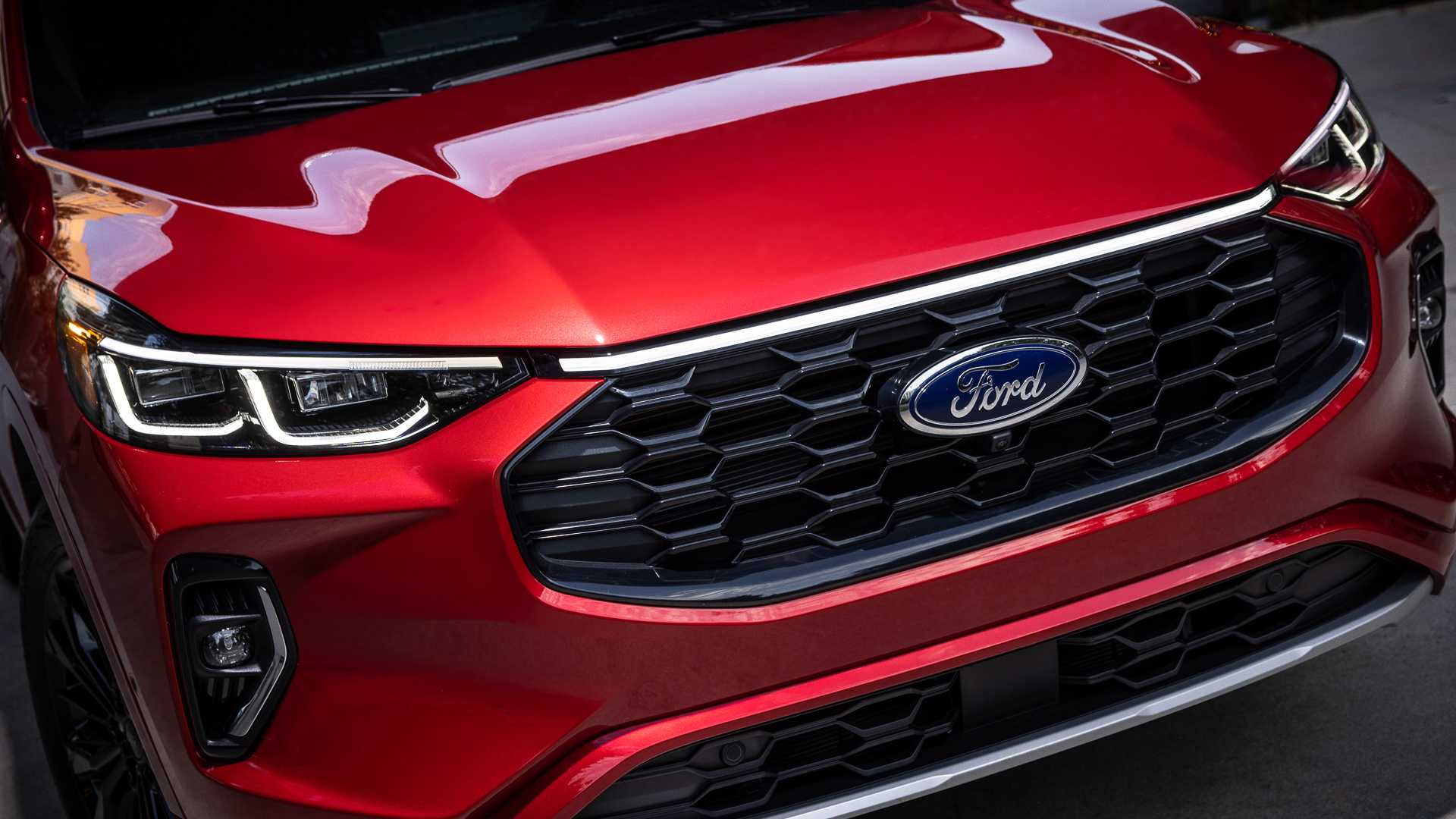
Mainstream automotive manufacturers like Ford are now aggressively pushing their top-tier trims into price brackets once reserved exclusively for high-end badges. This strategy blurs the lines between premium passenger models and prestige flagships, sparking a rivalry where comfort, performance, and long-term operating costs dictate market dominance.
For decades, Ford has been the undisputed architect of this evolving ecosystem, cementing its reputation as the brand that brought heavy-duty utility and hard-working capability to the American mainstream. Through iconic nameplates, the domestic automaker has shown U.S. buyers that a truck or SUV can be dependable while offering the rugged capability required for cross-country adventures and demanding work sites.
Ford pioneered the mass-market pickup movement generations ago and has recently conquered widespread consumer skepticism to prove that modern EcoBoost and fully electrified powertrains are a definitive bridge to the automotive future. Combining these two core competencies has led to a loyal consumer base that associates the badge with a resilient financial decision, ensuring high resale values, legendary durability, and class-leading work-ready performance.
Ford’s Dependable Low-Cost Hybrid SUV
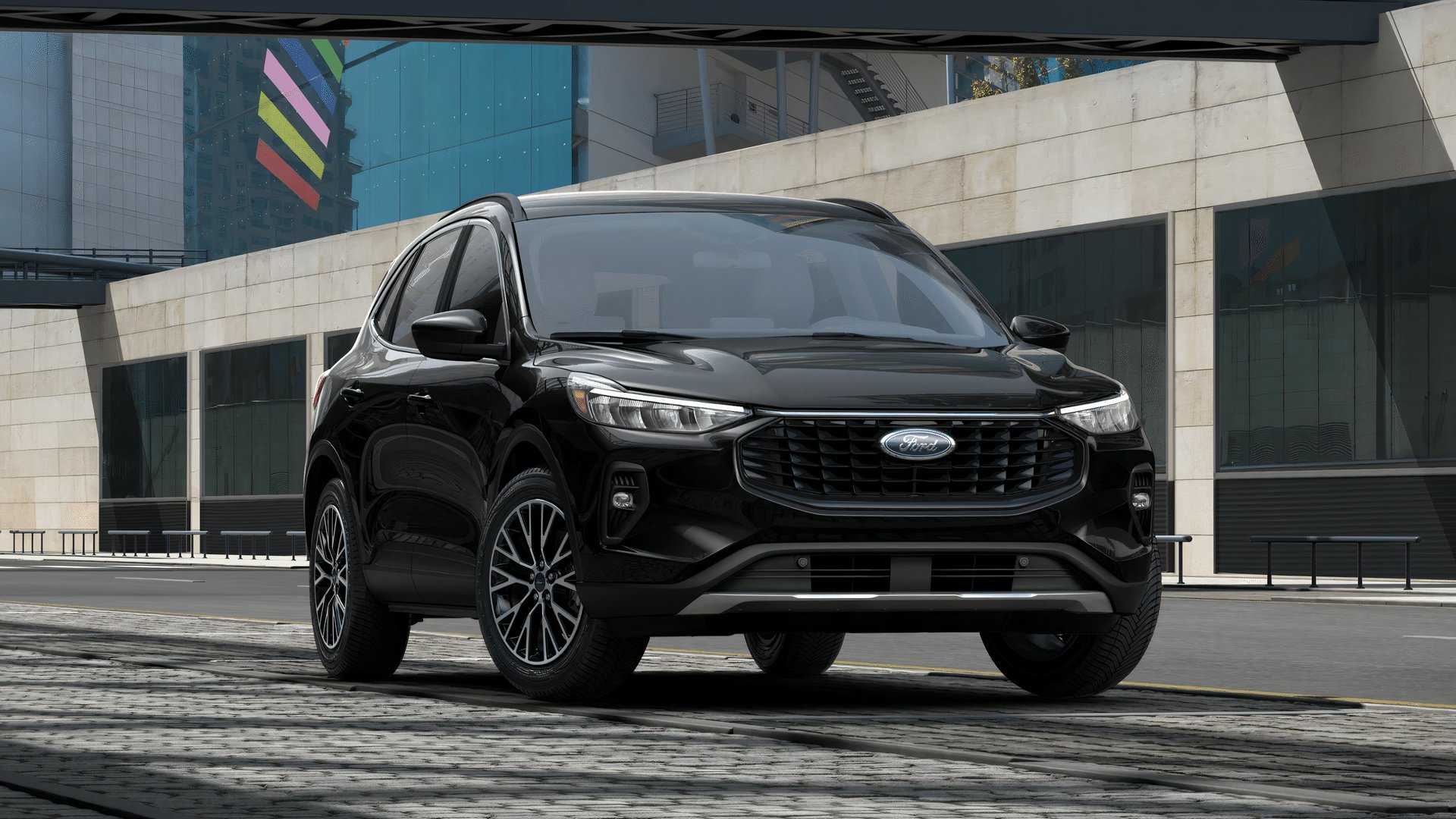
The 2026 Ford Escape Hybrid is the most cost-effective and practical hybrid SUV available today. Although production has officially ended, some states still have leftover units available. According to the EPA, there are no efficiency differences between the front-wheel-drive and all-wheel-drive derivatives of the Ford Escape Hybrid. However, it is worth noting that for 2026, the front-wheel drive model has been discontinued.
You can expect a 42/36/39 MPG consumption estimate on the city/highway/combined cycle, while the 14.3-gallon tank and 1.6 kWh battery pack will cover you for 558 miles in-between refuels. The EPA also suggests that you will be able to enjoy up to $3,000 worth of fuel savings over the course of five years, based on average new vehicle refueling costs. You’ll also find yourself spending $1,600 on fuel every year and $2.66 to drive the Ford Escape Hybrid 25 miles. A full tank of gas is likely to cost you around $59.
The Escape Hybrid’s Dependable Reputation
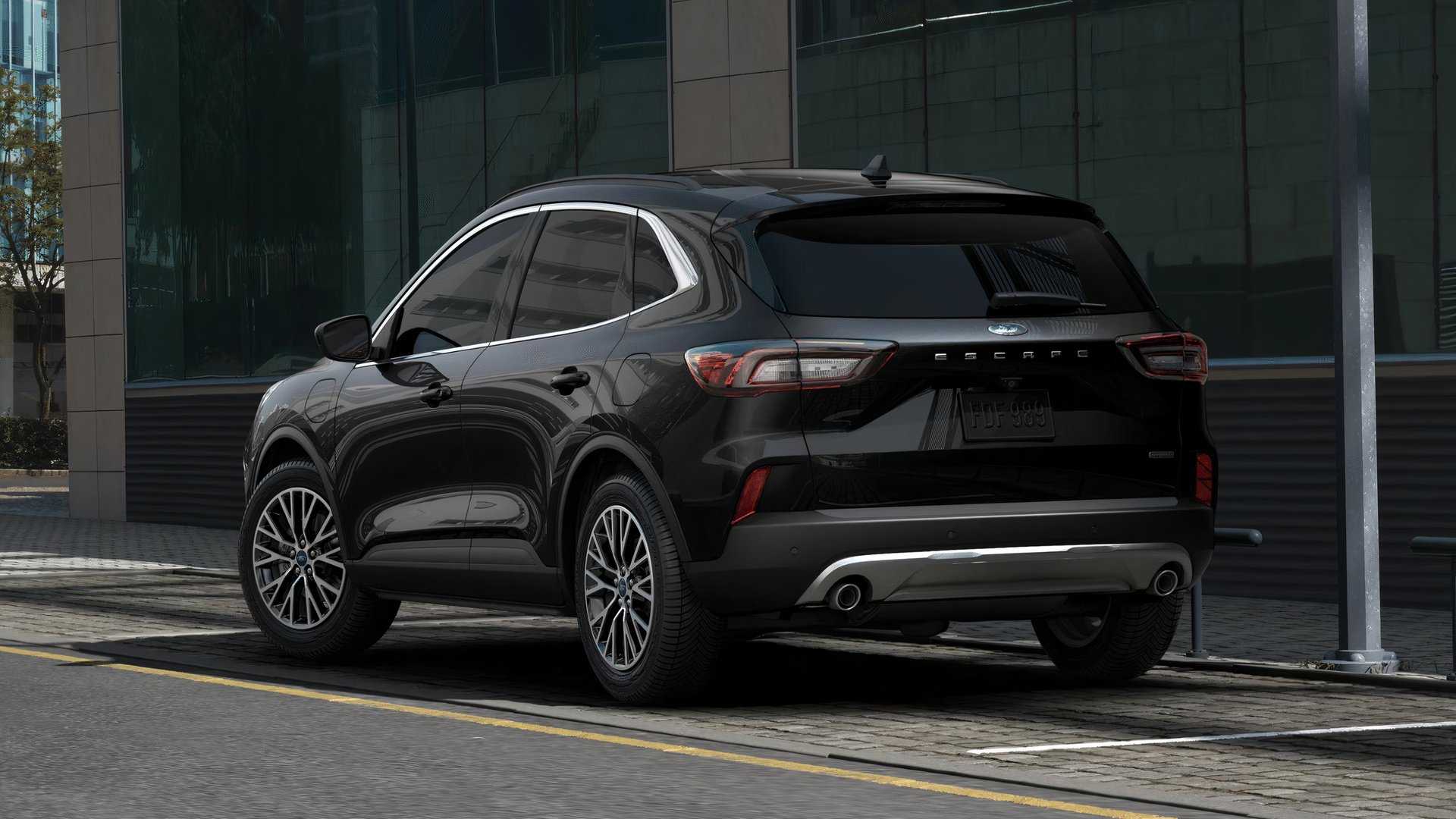
According to J.D. Power, the 2026 Ford Escape Hybrid model year currently benefits from an 86/100 quality and reliability score, alongside 80/100 for the driving experience and 83/100 for resale, bringing its overall score up to 86/100. iSeeCars grants it a 6.6/10 reliability score, together with a 7.6/10 retained value and 8/10 safety score, bringing its overall score up to 7.4/10.
The evaluation also highlights that this hybrid benefits from a 7.7-year or 120,757-mile lifespan with a 6.9-percent probability of being able to reach 200,000 miles without any noteworthy mechanical faults. It features an aluminum block and head for weight reduction and improved thermal efficiency, along with chain-driven dual overhead camshafts for reduced maintenance compared to belt-driven designs. The engine uses hydraulic lash adjusters for self-adjusting valve clearances, which minimize wear and reduces the need for periodic valve adjustment.
A Well-Balanced Flagship Variant
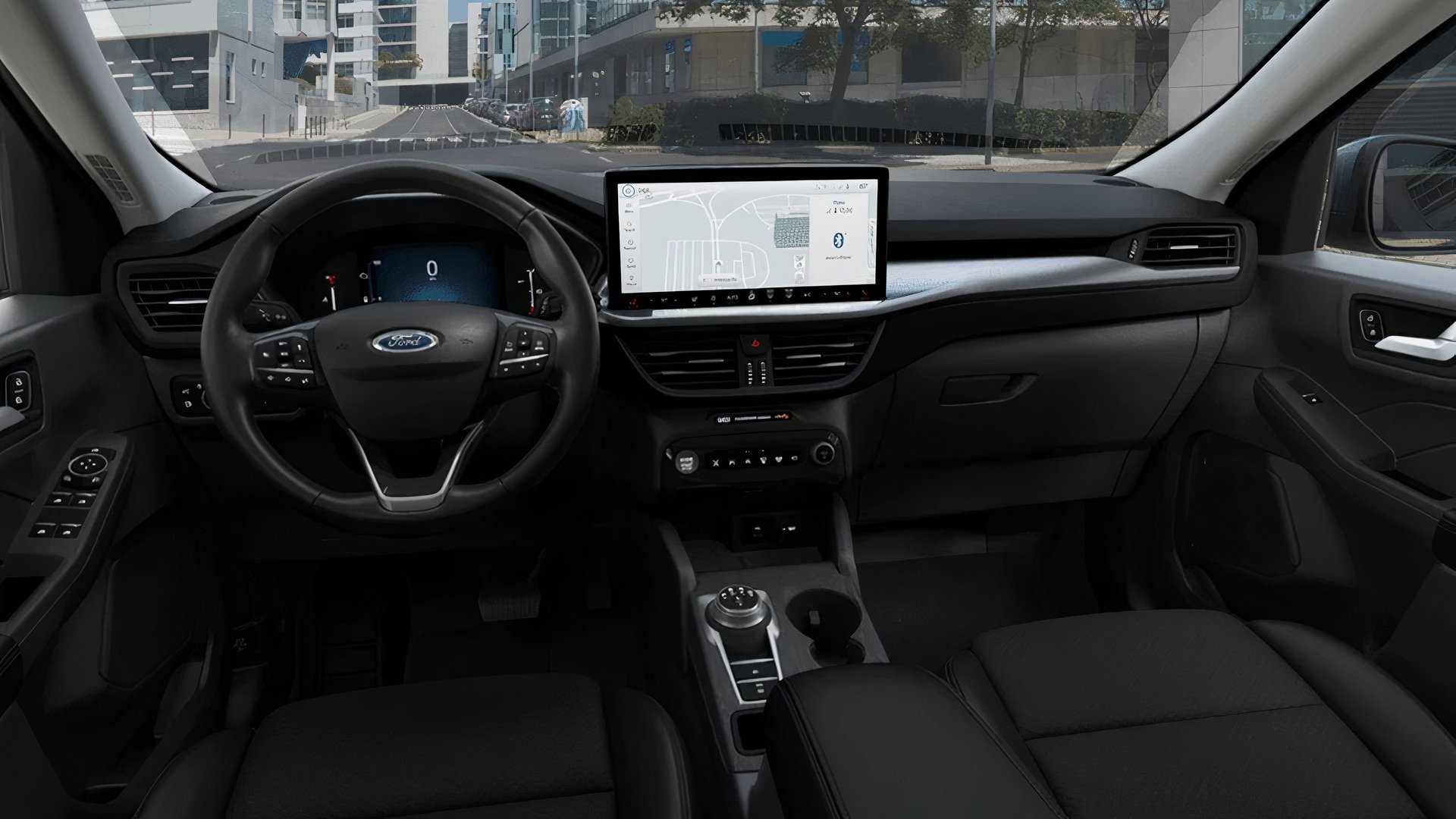
The Ford Escape Hybrid range starts with the ST-Line Select trim, priced at $34,190, making it one of the most competitively priced HEVs in its segment. This includes all-wheel-drive, a power liftgate, remote start, and heating for the front seats and steering wheel. This trim includes an electrically adjustable driver’s seat, black roof rack rails, a flat-bottom multifunction steering wheel, partial vinyl and cloth seat upholstery, red contrast stitching, and 18-inch Rock Metallic alloy wheels.
Next in line is the $35,215 Platinum, which comes standard with the larger 13.2-inch touchscreen infotainment system, ActiveX mini-perforated seat upholstery, an electrically adjustable passenger seat, a wireless smartphone charger, and 19-inch machine-faced alloy wheels. The ST Elite sits at the very top of the range with a $37,210 starting price, and includes navigation, bespoke black 19-inch alloy wheels, color-coded exterior trimmings, and adaptive cruise control. Ford adds a $1,495 destination fee and $695 acquisition fee to all new Escape Hybrid orders.
The Escape Hybrid’s Impressive Long-Term Ownership Savings
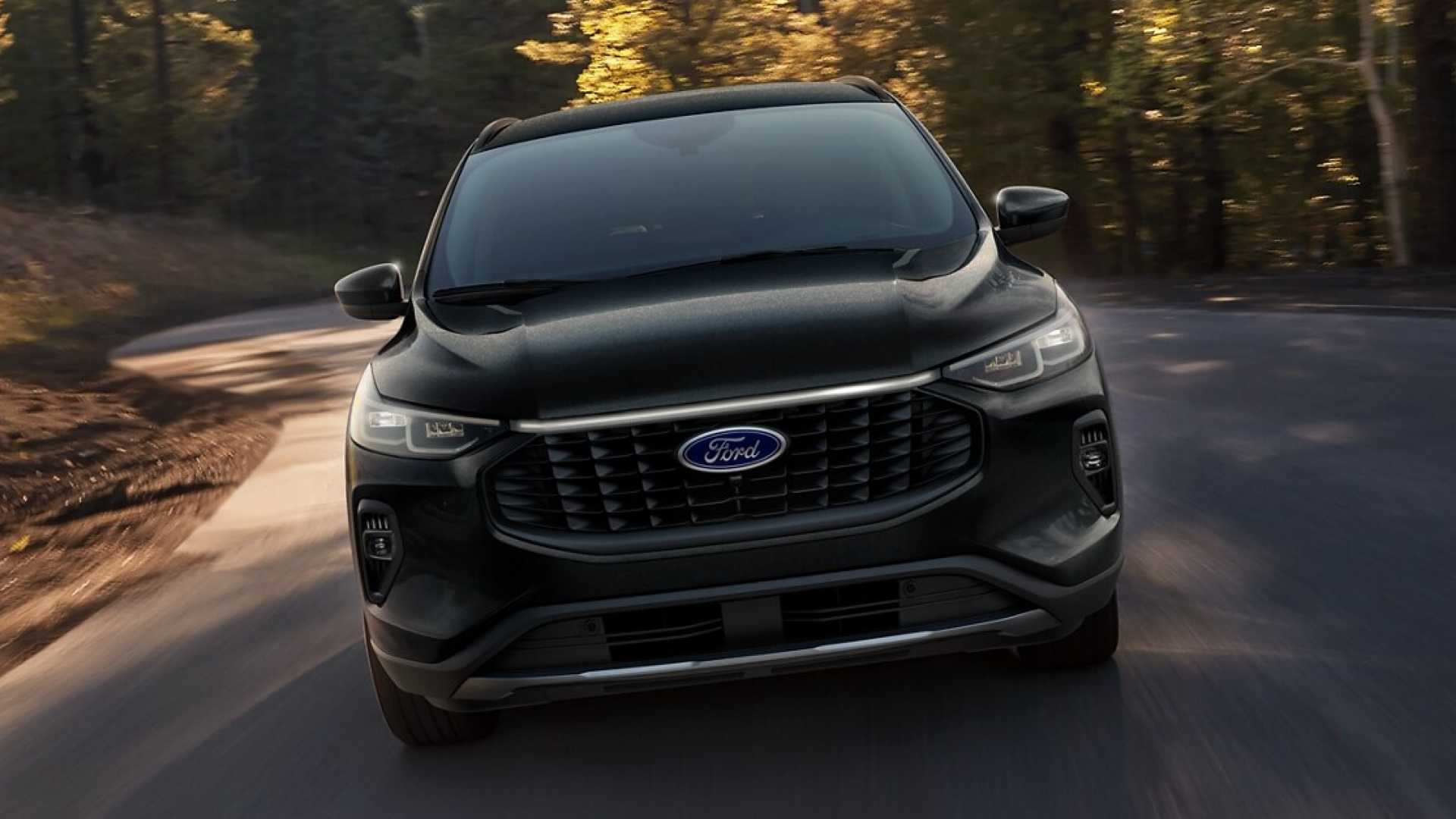
When evaluating the long-term financial viability of the 2026 Ford Escape Hybrid and its Plug-In variant, ownership costs present a competitive reality that balances lower operational fuel expenses against steady depreciation and maintenance overhead. According to Kelley Blue Book’s Five-Year Cost to Own data, the SUV will cost you a total of $43,275. Included in this is an estimated $18,758 loss in residual value and $5,944 in routine maintenance costs.
RepairPal assigns the Escape nameplate an above-average reliability rating of 4.0 out of 5.0, ranking it 16th out of 26 compact SUVs, with an average annual unscheduled repair budget hovering right around $600. Edmunds’ data notes that the Escape Hybrid requires a lower out-of-pocket monthly Cost to Drive compared to standard gas-powered compact SUVs. This partially offsets its steeper initial purchase price.
Impressive Reliability At The Cost Of Performance
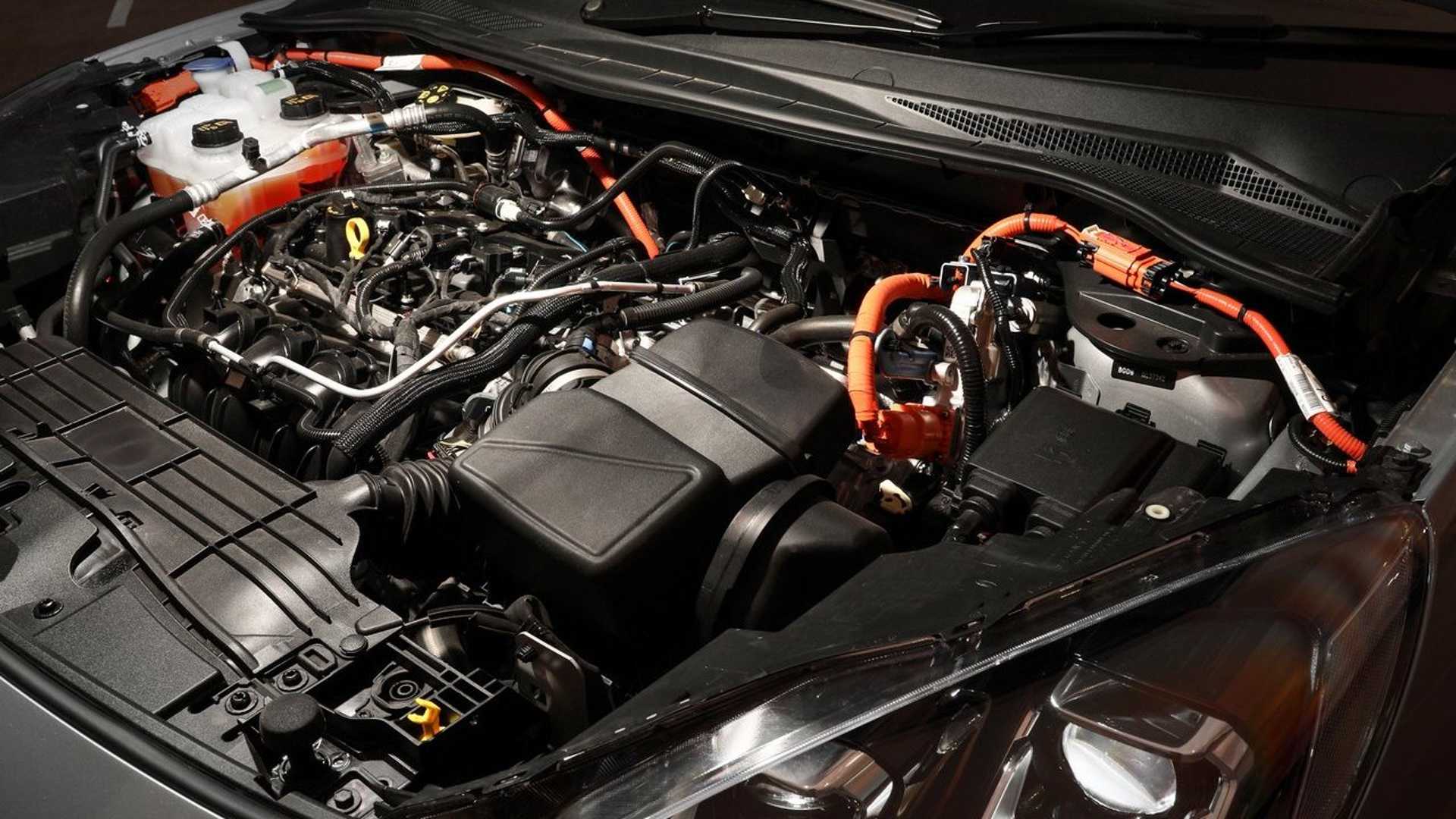
The 2026 Ford Escape Hybrid features the Blue Oval’s naturally aspirated 2.5-liter four-cylinder Atkinson-cycle engine connected to a pair of permanent-magnet-synchronous motors that drive the wheels directly via an eCVT system. The system produces a combined 191 horsepower and 155 pound-feet, which the brand claims will return an 8.1-second 0-60 MPH time and a 124 MPH top speed limit. The midsize crossover also manages to achieve a low but respectable 1,500-pound towing capacity.
Ford sources the engine from Mazda, but applies its own engineering and refinements to achieve good fuel efficiency and low emission outputs. The brand has primarily achieved this by adjusting the timing of the intake valves based on engine load and speed. This engine pairs with an electric motor in a planetary gear-based hybrid system, but focuses mechanically on reliability and long-term durability.
Ford’s Comprehensive Warranty Gives Peace Of Mind
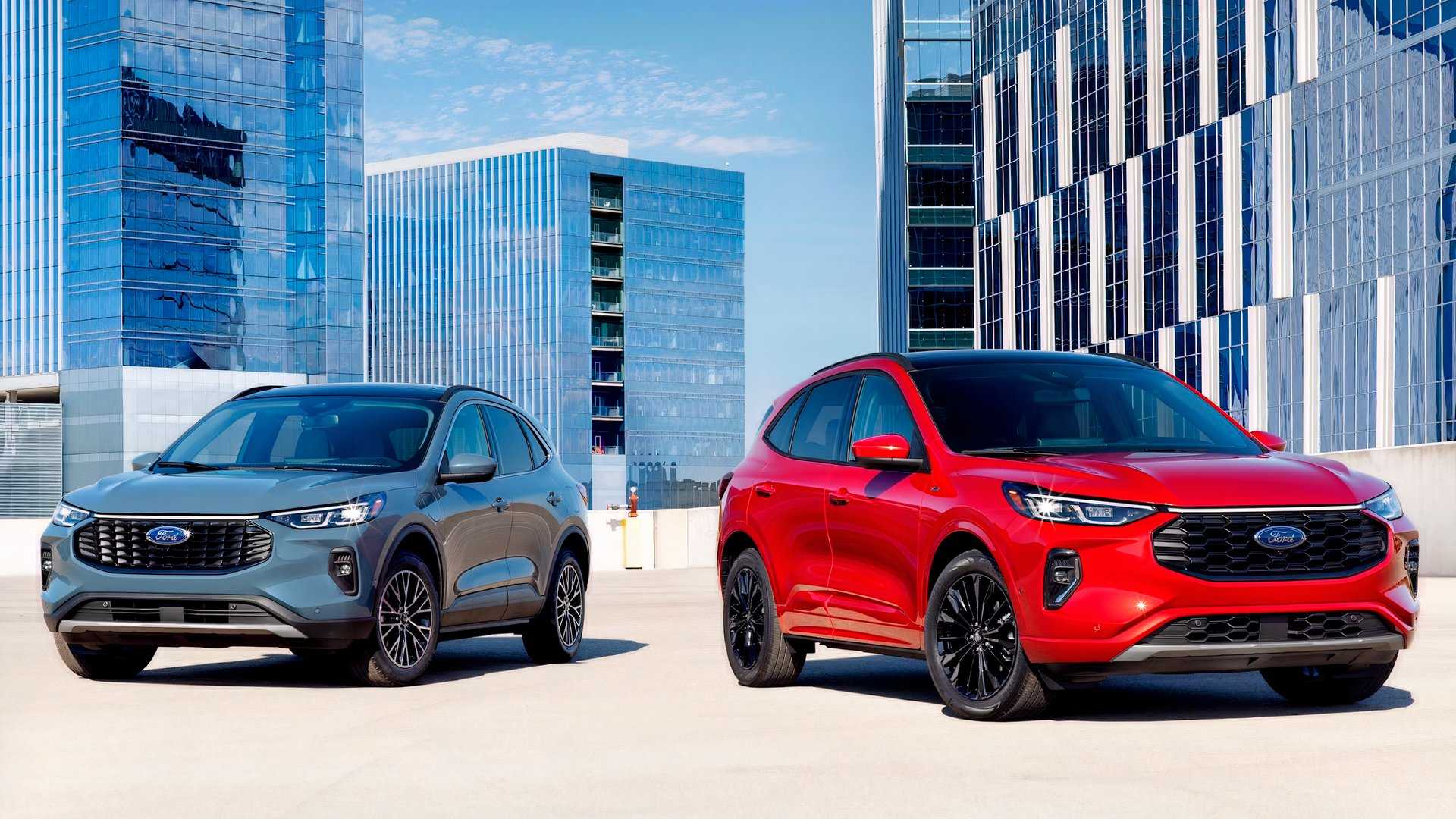
The 2026 Ford Escape Hybrid is backed by a standard factory protection plan, which includes a three-year or 36,000-mile bumper-to-bumper basic warranty and a five-year or 60,000-mile powertrain warranty paired with roadside assistance. Because it features an electrified drivetrain, Ford also includes a federally mandated eight-year or 100,000-mile component warranty covering the high-voltage battery and unique hybrid system elements.
To maintain this coverage, standard servicing requirements dictate minor service intervals every 10,000 miles or 12 months for an Intelligent Oil-Life Monitor check, synthetic blend oil and filter change, tire rotation, and a multipoint inspection. Major intervals occur every 30,000 miles to swap out the cabin air filter, and at 100,000 miles for spark plug replacements and a full engine coolant flush. However, navigating the Escape nameplate’s reliability over the last five years requires careful attention to active safety campaigns.
- Author: Tyo Murty



















At the moment there is no comment