
Trump’s CDC Nominee Swears to ‘Never Betray the Science’
- account_circle Tyo Murty
- calendar_month Thursday, 16 Jul 2026
- visibility 12
- comment 0 comment
- print Print

info Adjust the font size of this article to get the best reading experience.
A New Leader for the CDC: Dr. Erica Schwartz Faces Senate Scrutiny
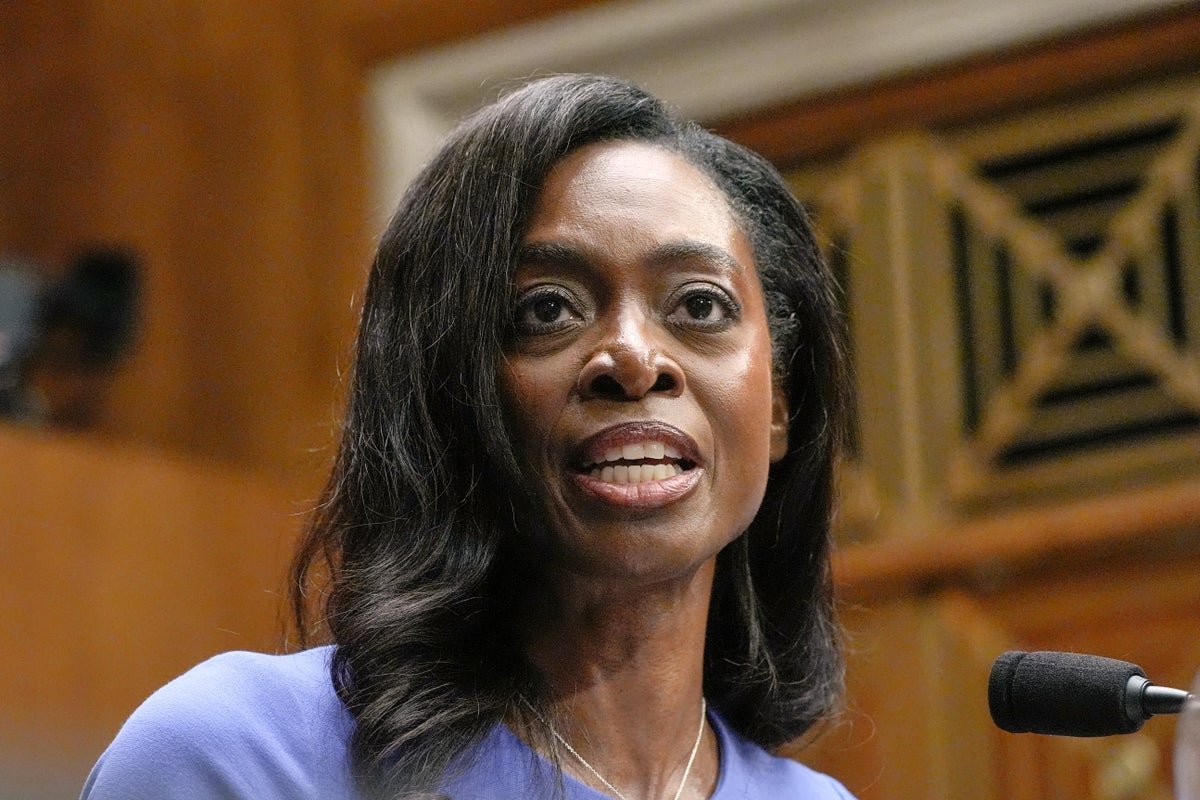
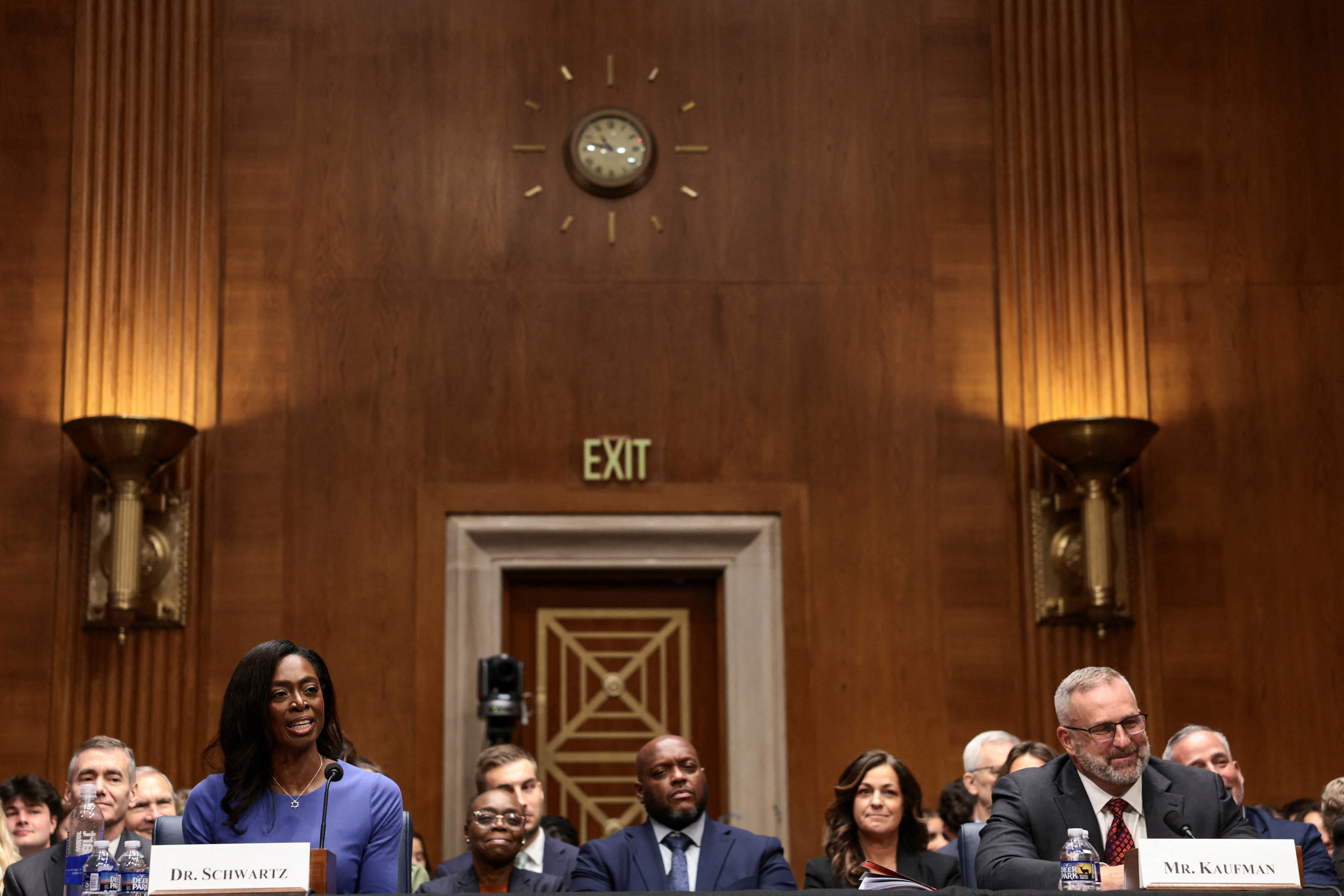
Dr. Erica Schwartz, a nominee from the Trump administration to lead the Centers for Disease Control and Prevention (CDC), faced intense questioning from U.S. senators on Wednesday. The focus of the hearing was her ability to protect the CDC from political influence and ensure that science remains at the heart of its decisions.
During the Senate health committee hearing, Dr. Schwartz emphasized her commitment to “radical transparency” and promised not to “betray the science.” However, several senators raised concerns about her potential alignment with U.S. Health Secretary Robert F. Kennedy Jr., who has been vocal in advocating for changes to vaccine policies and CDC guidelines. Dr. Schwartz did not explicitly reject these actions, leaving some senators skeptical about her independence.
Dr. Schwartz, 54, is currently serving as deputy surgeon general and has spent much of her career in the military. She previously held a leadership role at the U.S. Coast Guard, where she oversaw medical facilities and vaccination programs for service members. Her background in public health and military operations has made her a strong candidate for the CDC director position, which is critical in protecting Americans from preventable health threats.
The CDC’s Struggles Under Political Pressure
The CDC, once a globally respected institution, has faced significant challenges since the Trump administration took office. The agency has lost over 3,000 employees—more than a quarter of its workforce—due to layoffs and resignations. This exodus has led to a decline in morale and a lack of consistent leadership, with the CDC often being managed by temporary officials rather than experienced public health professionals.
Dr. David Margolius, director of Cleveland’s health department and a leader in a coalition of big city health departments, noted that while there are still dedicated staff working at the CDC, the agency no longer serves as the authoritative voice it once was during public health crises.
Kennedy, who leads the CDC and other federal health agencies, has been criticized for his past involvement in the anti-vaccine movement. Despite promising not to alter the nation’s vaccination schedule, he has pushed for investigations into childhood vaccines and attempted to revise recommendations. Some of these efforts were halted by a federal judge earlier this year.
A History of Leadership Turmoil
The CDC has seen a revolving door of leadership since the start of the Trump administration. The first nominee, Dr. David Weldon, had his confirmation hearing canceled due to lack of support. Susan Monarez, the acting director, was quickly removed after being deemed out of alignment with the administration’s agenda. Many top scientists resigned in protest, fearing that political interference would undermine the agency’s scientific integrity.
Since then, the CDC has been overseen by various short-term leaders, including National Institutes of Health Director Jay Bhattacharya. This instability has left the agency struggling to maintain its mission and public trust.
Dr. Schwartz’s Responses to Senate Questions
During the hearing, senators pressed Dr. Schwartz on her awareness of actions that have weakened the CDC. She admitted she was unaware that certain programs aimed at preventing smoking and promoting vaccinations had been curtailed. She also declined to commit to removing a CDC website that suggests a link between childhood vaccines and autism, though she acknowledged that existing medical evidence does not support such a connection.
Senator Maggie Hassan, a Democrat from New Hampshire, asked if Schwartz would follow an order from Kennedy to suspend a flu vaccination campaign during a deadly flu season. Schwartz responded that she avoids hypotheticals, but Hassan pointed out that such directives had already occurred, citing internal CDC emails released by Senator Bernie Sanders.
Schwartz agreed that the CDC should prioritize infectious disease response but also expressed openness to Republican senators’ requests to investigate whether AI data centers cause health problems and explore the possibility of establishing a World Trade Center Health Program clinical center in Florida.
Other Key Nominations and Concerns
In addition to Dr. Schwartz, the Senate also considered the nomination of Sean Kaufman as the Assistant Secretary for Preparedness and Response (ASPR). This role involves overseeing responses to public health emergencies and disaster preparedness. Kaufman has faced scrutiny over past social media posts, including one expressing dislike for the CDC and comments supporting the cancellation of mRNA vaccine projects.
Despite his statements, Kaufman claimed to support mRNA technology and the safety of COVID-19 vaccines. However, critics argue that his approach could slow down the development of future pandemic vaccines, which experts say are essential for combating emerging threats.
A New Era for Public Health Leadership
Dr. Schwartz’s nomination comes at a critical time for the CDC. With ongoing political tensions and a history of leadership instability, the agency needs a director who can restore public trust and ensure that science guides its policies. As the Senate continues to evaluate her qualifications, the future of the CDC remains uncertain.
- Author: Tyo Murty



















At the moment there is no comment