
Jury Weighs Fate of Man Accused of Sparking One of Los Angeles’ Worst Wildfires

info Adjust the font size of this article to get the best reading experience.
The Trial of Jonathan Rinderknecht: A Fire That Changed Everything
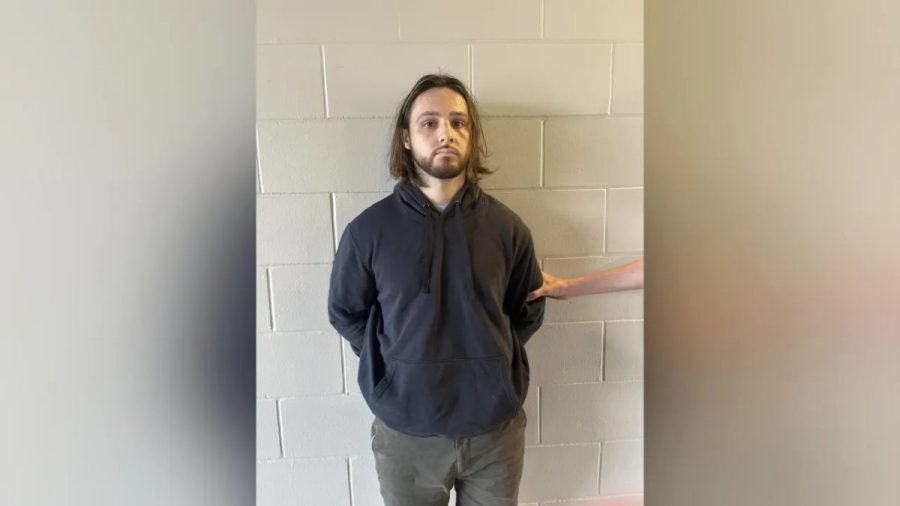
Jury deliberations have begun in the trial of Jonathan Rinderknecht, a man charged with starting the Lachman Fire, which later escalated into the devastating Palisades Fire in January 2025. This fire smoldered for days before exploding into one of the most destructive wildfires in Los Angeles history.
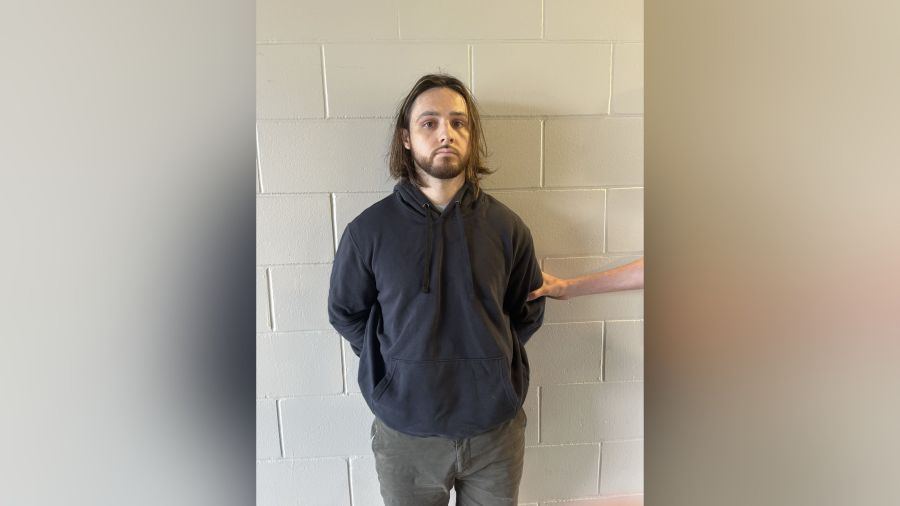
Rinderknecht, a 30-year-old former Uber driver from Melbourne, Florida, was arrested and indicted last October on three federal charges: destruction of property by means of fire, arson affecting property used in interstate commerce, and timber set afire. He has pleaded not guilty to all charges.
According to the U.S. Department of Justice, Rinderknecht maliciously started a fire near the Pacific Palisades neighborhood of Los Angeles early on January 1, 2025. The fire quickly grew out of control, leading to what became known as the Palisades Fire. The incident is now considered one of the most destructive wildfires in the city’s history.
Prosecution’s Case: A Man with a Grudge?
The prosecution has painted Rinderknecht as someone who was “angry at the world.” They claim he had multiple reasons to be upset, including not having plans for New Year’s Eve. Additionally, prosecutors allege that Rinderknecht harbored resentment toward wealthy individuals, particularly those living in the upscale Pacific Palisades neighborhood.
They also cited ChatGPT entries that Rinderknecht reportedly shared, which discussed climate change and wealth disparity. These posts are being used to support the argument that Rinderknecht had a motive to start the fire.
Furthermore, the prosecution presented witness reports indicating that Rinderknecht was driving erratically around the Palisades area on December 31, 2024. Passengers described him as “angry, intense, driving erratically, and ranting about being ‘pissed off at the world.’”
Defense’s Argument: A Scapegoat?
On the other hand, Rinderknecht’s defense attorney, Steve Haney, argues that his client was simply near the scene to watch fireworks. Haney claims this is supported by testimony from first responders who reported hearing fireworks in the area at the time the fire started.
He also points to Rinderknecht’s actions after the fire as evidence of his innocence. According to Haney, Rinderknecht called 911 multiple times and cooperated fully with the investigation. He even agreed to drive back to the area to help pinpoint the origin of the blaze.
Haney believes the prosecution is trying to shift blame onto Rinderknecht due to the Los Angeles Fire Department’s failure to fully extinguish the Lachman Fire. He argues that there is no evidence pointing to Rinderknecht as the cause of the fire.
Legal Barriers and Evidence
In May, a federal judge ruled that Rinderknecht’s defense team could not present evidence or arguments related to alleged negligence by the fire department during the Lachman Fire. Similarly, the judge barred prosecutors from introducing AI-generated images of a burning city that they claimed Rinderknecht created months before the fire.
These rulings have limited both sides’ ability to present their cases fully, adding complexity to the trial.
Potential Consequences
If convicted, Rinderknecht could face a minimum of five years in federal prison and a maximum sentence of 45 years. The outcome of this trial will not only determine his fate but also raise important questions about accountability, evidence, and the role of technology in legal proceedings.
- Author: Tyo Murty













At the moment there is no comment