
Global Oil Supply on Edge: Iran Threatens to Escalate Naval Warfare in the Strait of Hormuz

info Adjust the font size of this article to get the best reading experience.
Maritime Escalation Follows Reported US Strikes
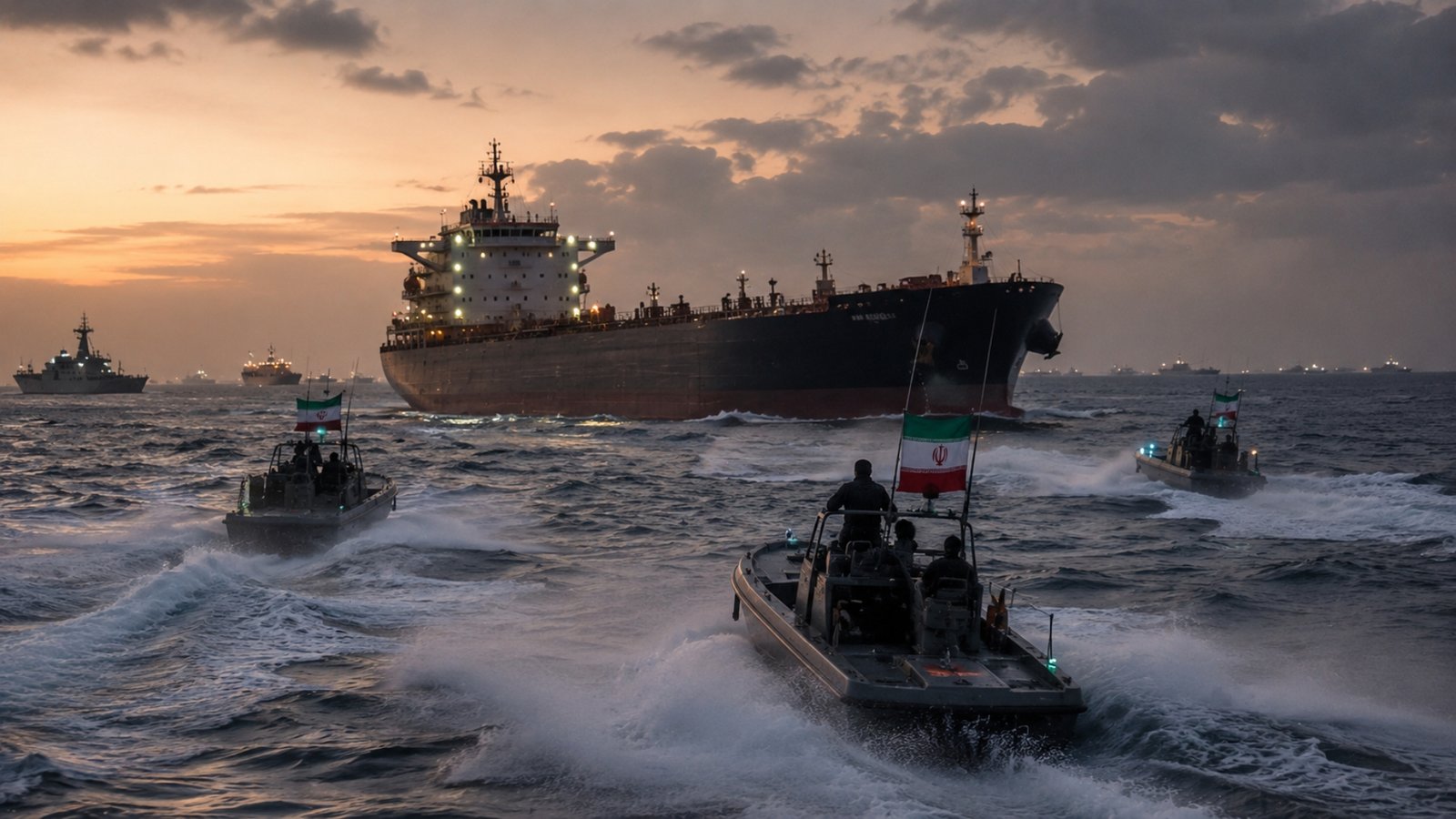
Recent reports have highlighted a growing tension between the United States and Iran, with the Islamic Revolutionary Guard Corps (IRGC) vowing to intensify its maritime operations. This development has raised concerns about potential increases in naval activity in the Gulf region. While specific details of any planned actions have not been independently verified, the IRGC’s statement suggests a possible shift toward more aggressive posturing at sea.
The situation comes amid a broader pattern of heightened rhetoric between the two nations. Although no concrete evidence of operational changes has emerged, the message from the IRGC signals a potential escalation in regional tensions. This development is being closely monitored by analysts and security experts who are watching for signs of further action.
Strait of Hormuz Under Renewed Scrutiny
The Strait of Hormuz remains one of the most critical waterways for global energy security. A significant portion of the world’s oil shipments passes through this narrow strait, making it a focal point for international attention. Any perceived risk to this vital corridor can trigger immediate reactions from markets, insurers, and shipping companies.
Experts emphasize that even minor disruptions or increased military presence in the area can have far-reaching consequences. Increased patrol activity or signaling behavior could lead to higher shipping costs and create uncertainty in global supply chains. The strategic importance of the Strait ensures that any developments here are closely followed by the international community.
Regional Security and Strategic Risks
Maritime security in the Gulf has long been influenced by a complex web of military, political, and economic factors. The presence of multiple naval forces in close proximity raises the risk of miscalculations during periods of heightened tension. Analysts warn that maritime conflicts often escalate gradually, starting with warnings or adjustments in patrols before potentially leading to direct confrontations.
This dynamic makes the current situation particularly sensitive. Regional observers are closely monitoring any shifts in posture or behavior that could signal a move toward more aggressive actions. The potential for unintended escalation adds another layer of concern for all parties involved.
Diplomatic Channels and Global Concerns
Historically, diplomatic backchannels have played a crucial role in managing tensions between the United States and Iran. These channels have helped prevent the spread of maritime incidents into broader conflicts. However, the current environment is marked by limited trust and increasingly confrontational public messaging from both sides.
This lack of confidence complicates efforts by international actors to stabilize the situation. The absence of clear communication channels increases the pressure on external stakeholders to find ways to de-escalate the situation before it spirals out of control.
What Comes Next
The next phase of the situation will depend on whether the maritime warnings translate into visible operational changes in the Gulf. Increased naval deployments or disruptions to shipping would likely prompt stronger responses from the international community.
For now, the focus remains on whether deterrence measures hold or if the situation moves toward a cycle of reciprocal actions at sea. Energy markets and shipping routes are expected to remain highly sensitive to any further developments. The coming weeks will be critical in determining the trajectory of this evolving crisis.
- Author: Tyo Murty


















At the moment there is no comment