
Black Bears on the Rise: Two Reasons for Summer Surge


info Adjust the font size of this article to get the best reading experience.
Your backyard might have a visitor this summer, and it weighs 600 pounds. Across the United States, black bear sightings are climbing sharply as summer sets in, sending homeowners scrambling for their phones every time a shadow moves across the lawn. Wildlife experts say this isn’t random. There are two reasons why bears are suddenly everywhere, and both come down to biology working exactly as it should.
The First Reason: An Empty Stomach
During hibernation, black bears are essentially in torpor or asleep for three to four months. When bears wake up, months of fasting have drained their energy reserves completely, leaving them desperate to refuel before winter comes calling again. That hunger doesn’t fade quickly. Most bears won’t rebuild their body weight until mid-July, which means an entire season of foraging lies ahead.
Bears aren’t picky about where that food comes from either. Bird feeders, unsecured trash cans, and pet food left on porches all become easy targets. But appetite alone doesn’t explain everything driving bears into view this summer.
Bears on the Move
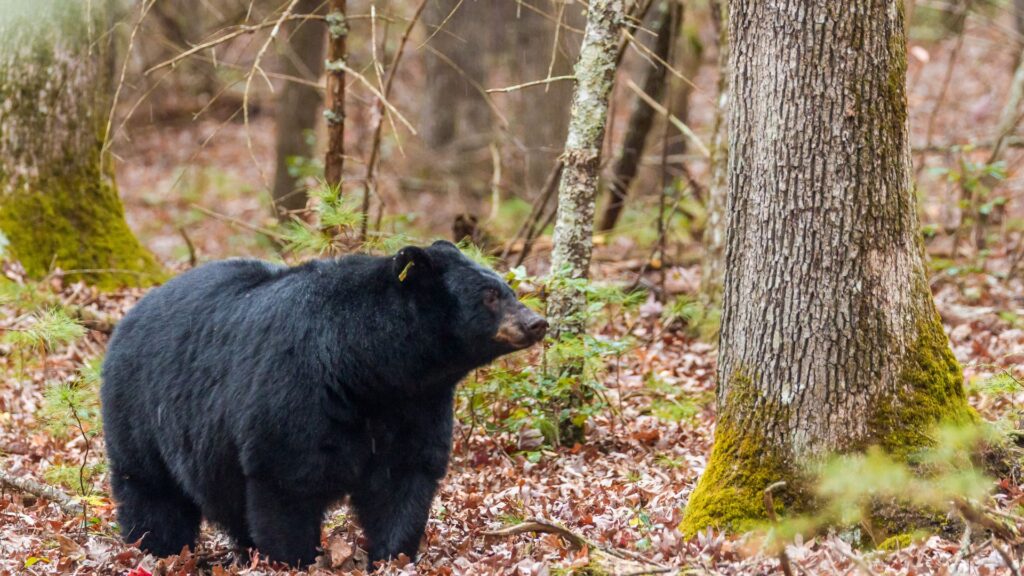
The second reason has nothing to do with food. It’s mating season, and male bears are covering serious ground searching for partners. They’re moving around, especially those males moving from female to female, in that kind of search mode. That restless searching sends bears wandering into neighborhoods and yards they’d normally avoid entirely.
Wildlife experts note that the activity has been impossible to miss lately. Landowners nearby have caught some footage of interactions happening, describing courtship encounters caught on camera. Combined with the hunger driving bears toward human food sources, mating season means bears are simply on their feet more than usual right now.
A Comeback Nobody Expected
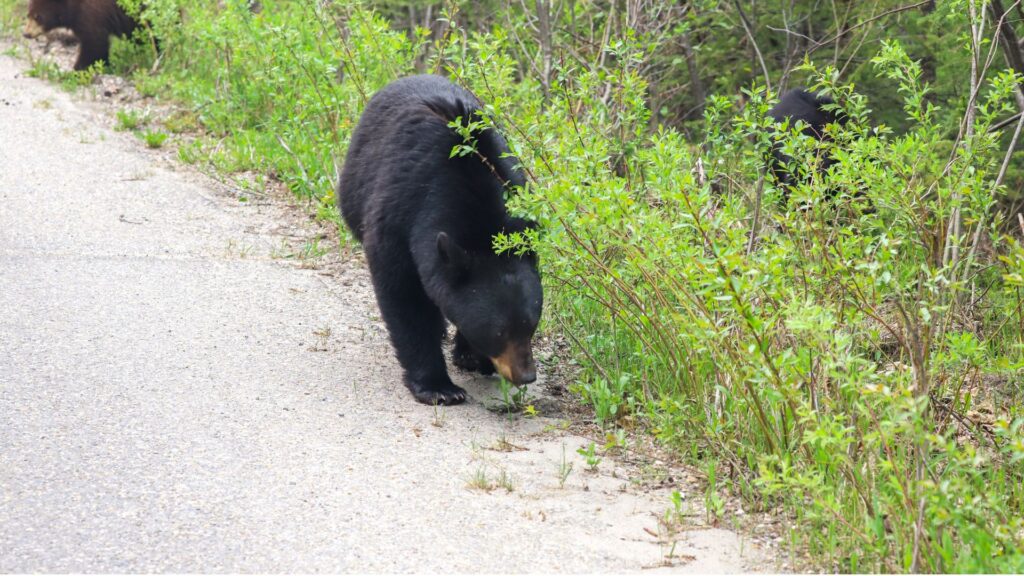
More than 300,000 black bears now live across the United States, ranging from the Arctic Circle down into central Mexico. That number represents one of conservation’s genuine success stories. The reason people see them so often, the reason that they are such a big part of North American life, is because of the conservation work that’s been done to bring them back.
That comeback wasn’t guaranteed. By 1900, unregulated hunting and widespread deforestation had wiped out black bears from 55% of their historic range. Congress responded in 1937 with the Pittman-Robertson Act, redirecting firearm and ammunition taxes toward wildlife restoration. Decades of funded research and habitat work followed, and populations have since rebounded across roughly 60% of their former range.
Population growth only tells part of the story, though. Home security has quietly transformed how often people actually notice bears nearby. With all these Ring cameras and home security doorbells where you can look at your phone every second and know if there’s a bear walking through your yard, quiet, solitary animals that once passed by unnoticed now trigger a notification instantly.
What to Actually Do When One Shows Up

Seeing a bear on camera or in your yard sounds alarming, but experts insist it rarely means danger. There’s a huge difference between a bear sighting and a bear conflict. Aggressive displays like jaw-clacking or short charges are almost always bluffs meant to create distance, not attacks. Bears spend a lifetime avoiding fights whenever possible, and most people never test that theory firsthand.
Bear spray remains the most effective tool if a bear does close the distance. Bear spray is best-deployed before the bear is running at you. The capsaicin cloud overwhelms a bear’s sensitive nose as it approaches, stopping the animal before contact happens. Backing away slowly while appearing large works far better than running, which can trigger a chase instinct.
Prevention starts at home, and experts don’t sugarcoat what that requires. A bird feeder may attract some really cool birds, but it is also a calorie heaven for black bears. Clean grills, secured trash, and removed feeders won’t eliminate sightings entirely. But they will decide whether that sighting stays a sighting or turns into something neither species wanted.
- Author: Tyo Murty




















At the moment there is no comment