
Ceasefire Shattered: Why the US Just Struck Iran Amid Fears of a Global Oil Crisis in the Strait of Hormuz

info Adjust the font size of this article to get the best reading experience.
Escalating Tensions: U.S. Strikes Target Iranian Infrastructure
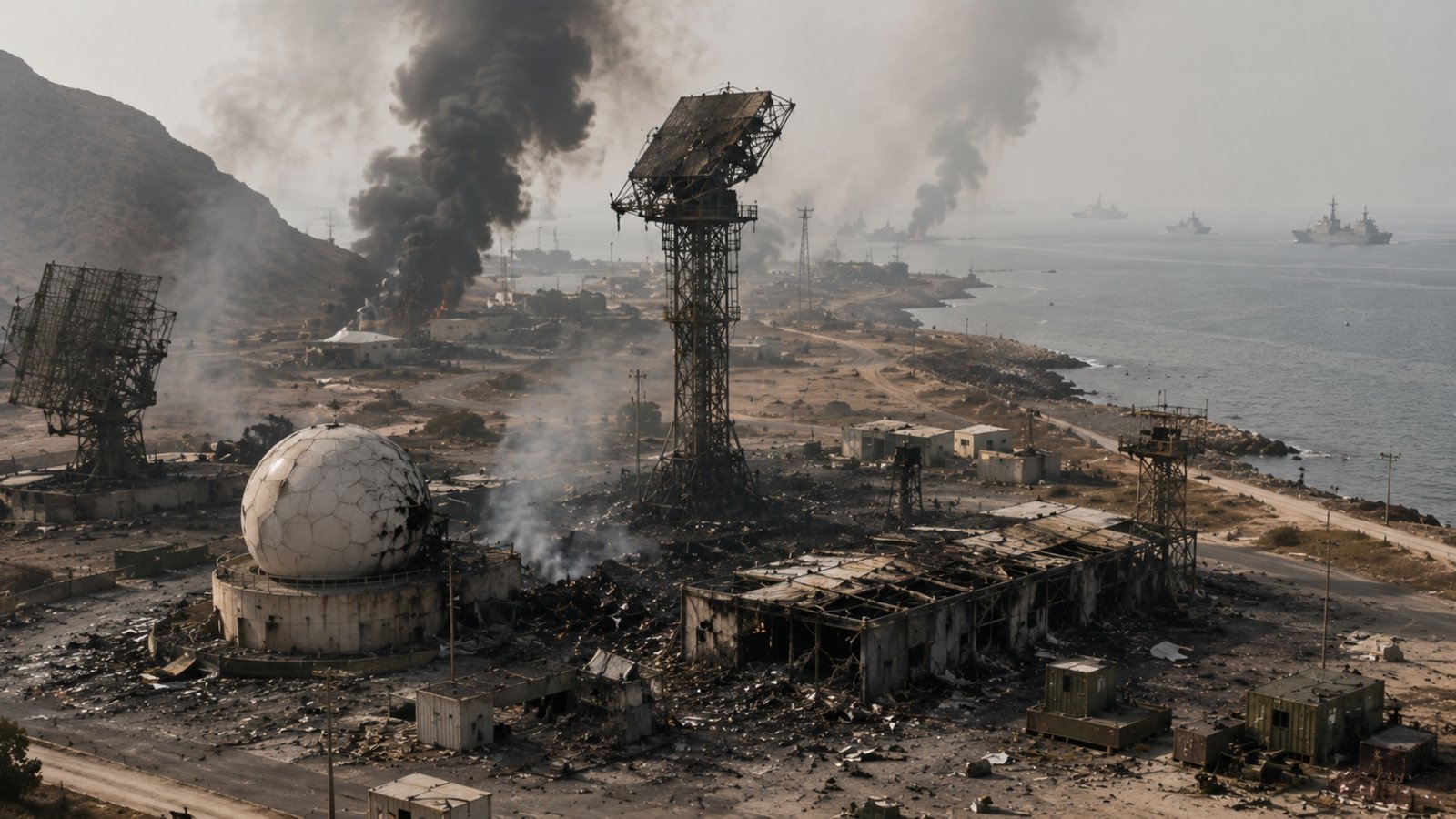
The United States has launched a new wave of airstrikes against Iranian military infrastructure, marking a significant escalation in the ongoing conflict between the two nations. This action follows what Washington claims was another Iranian attack on commercial shipping in the Strait of Hormuz, a critical waterway for global oil trade. The strikes targeted key military assets, including surveillance facilities, signaling a deepening of hostilities that threatens to widen into a broader confrontation.
This development appears to confirm that previous ceasefire agreements between the U.S. and Iran are no longer effective in practice. What was once seen as a limited effort to prevent further conflict is now being undermined by repeated military actions from both sides. The situation has shifted from a controlled exchange to an unpredictable cycle of retaliation, raising concerns about the potential for further escalation.
A Shipping Attack Sparks Retaliation
According to reports, the latest U.S. strikes were triggered by a one-way drone attack on the tanker M/T Kiku, following an earlier incident involving the M/V Ever Lovely. The U.S. Central Command stated that these attacks violated the existing ceasefire framework and necessitated a defensive response. This sequence of events highlights the growing instability in the region, where the Strait of Hormuz remains a vital energy corridor.
Any sustained threat to commercial shipping in this area can quickly transform a military conflict into an economic crisis. The implications extend beyond immediate security concerns, affecting oil flows, insurance markets, and overall regional stability. The importance of this chokepoint cannot be overstated, as disruptions here could have far-reaching consequences for global markets.
Washington and Tehran Take Hardened Stances
The U.S. has framed its recent strikes as a necessary response to Iranian aggression against commercial navigation. In contrast, Iran has accused the United States of escalating tensions and undermining the very ceasefire it claims to support. This mutual blame game leaves little room for de-escalation, as both sides publicly assert that the other has broken the agreement.
Once both parties claim the other has violated the ceasefire, it becomes significantly harder for mediators to restore even a temporary pause. This dynamic is reinforced by the current public positions and the pattern of retaliatory strikes, which suggest that the conflict is moving toward a more volatile phase.
Regional Concerns Grow
The renewed violence has increased fears across the Gulf, where regional governments are closely monitoring the situation for signs of spillover threats. Reports indicate that the latest confrontation coincided with Iranian missile and drone attacks targeting U.S.-linked facilities in the region. This shows how quickly the conflict can expand beyond isolated incidents, posing risks to bases, shipping lanes, and energy infrastructure.
The crisis is no longer confined to a single military exchange. The real danger lies in the possibility of another strike on a ship, coastal facility, or regional base, which could trigger a much larger security emergency. The potential for widespread disruption is a growing concern among regional actors.
What Lies Ahead?
The immediate question is whether this second wave of U.S. strikes will remain a short-term flare-up or signal the beginning of a longer campaign against Iranian military assets. Reports suggest that the ceasefire is already under severe pressure, with both sides indicating their readiness to respond again.
For now, the most evident takeaway is that the conflict has returned to an overt cycle of escalation. As long as attacks on shipping continue and retaliatory actions follow, the prospects for restoring a stable truce appear increasingly bleak. The situation remains fluid, and the next steps will likely determine the trajectory of this rapidly evolving crisis.
- Author: Tyo Murty


















At the moment there is no comment