
Global Oil Trade at Risk: Inside the Dangerous Shipping Crisis Threatening the Strait of Hormuz

info Adjust the font size of this article to get the best reading experience.
Shipping Disruptions Highlight Growing Concerns in the Strait of Hormuz
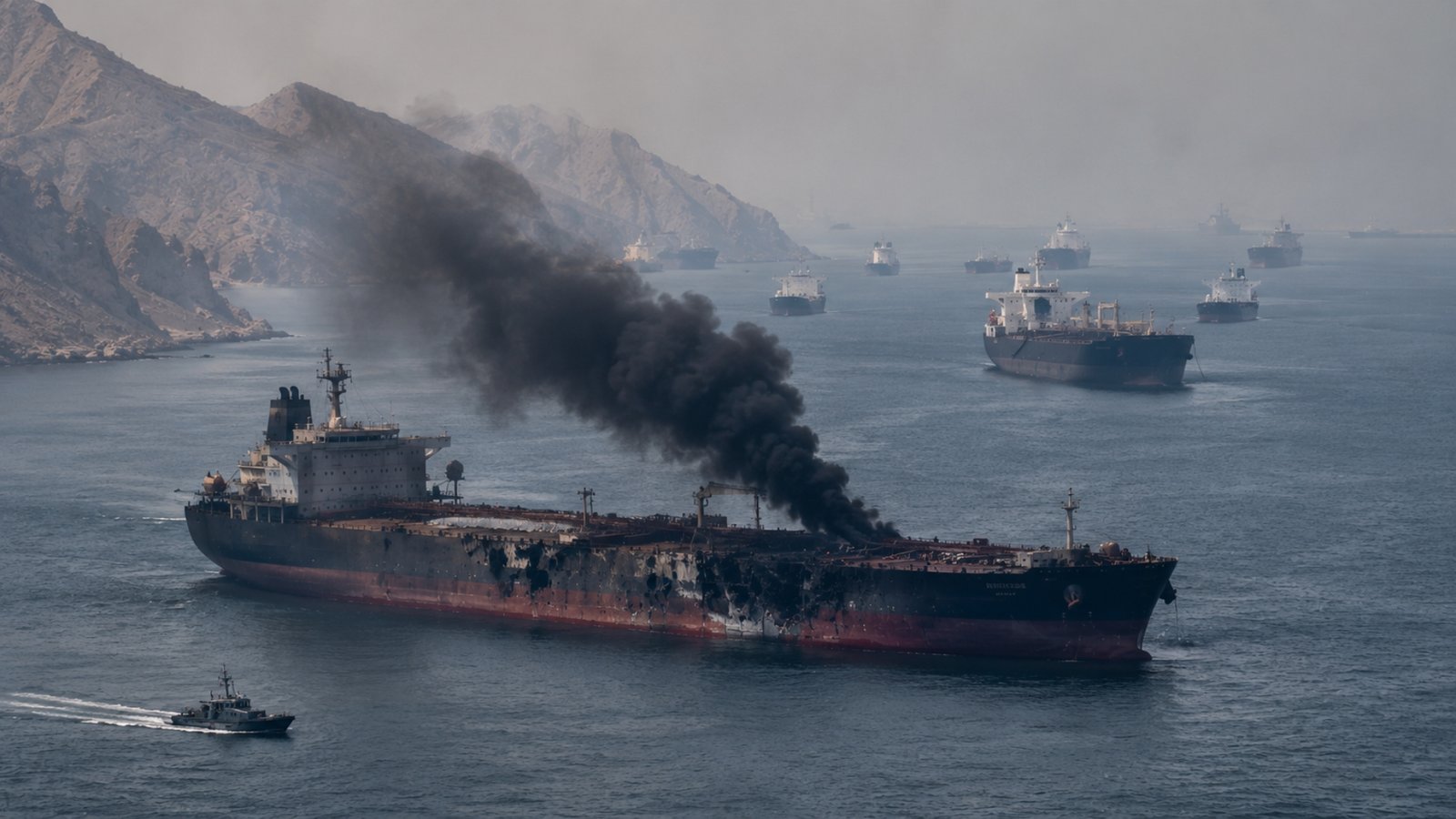
A recent attack on a commercial tanker has led to a slowdown in traffic through the Strait of Hormuz, one of the most critical waterways for global energy trade. This incident has raised new concerns about maritime security in the region, which is already under significant strain due to ongoing tensions between major powers. The attack has not only disrupted shipping schedules but also introduced uncertainty into energy markets and insurance planning.
The Strait of Hormuz serves as a vital conduit for a large portion of the world’s seaborne oil. Even minor disruptions can have far-reaching effects on global trade and energy logistics. As such, any slowdown or blockage in this narrow passage can create ripple effects across international markets.
Maritime Security Challenges Continue to Rise
The latest incident has intensified existing worries about maritime security in the area. Reports indicate that the United Nations’ International Maritime Organization has temporarily suspended ship escorts through the strait following another vessel’s reported attack. This move underscores how quickly confidence in safe passage can erode, even during periods of relative calm.
Maritime analysts note that the operating environment in the region has become more restricted, with limited traffic lanes and persistent security threats influencing commercial decisions. Some shipping executives believe that these restrictions could last for months due to the ongoing risks posed by mines and broader instability in the area.
U.S.-Iran Tensions Fuel Increased Risk
The current disruption is closely linked to the escalating military actions between the United States and Iran. Recent reports suggest that the latest tanker attack occurred amid a series of U.S. strikes on Iranian targets and Iranian attacks on U.S. positions in the Gulf. These developments have further undermined an already fragile peace agreement between the two nations.
The Strait of Hormuz is no longer just a backdrop to the conflict—it has become a key pressure point where military escalation could quickly impact global trade and energy logistics. This is evident from the sequence of events and the central role of the strait in recent reporting.
Trade and Energy Markets Face Uncertainty
Despite recent rebounds in crude shipments to levels not seen since the war, the latest attacks threaten to undo this progress. The fear of unsafe transit is creating doubts about the stability of trade routes, even if full-scale disruptions have not yet occurred. Slower movement and increased security measures can still disrupt commercial planning and create additional costs for businesses.
What Comes Next?
The immediate concern is whether the current disruptions will remain isolated or escalate further. If more vessels are targeted, the situation could worsen significantly. For now, the latest tanker strike indicates that maritime confidence in the Strait of Hormuz remains tenuous. Any further escalation between the United States and Iran could continue to put trade flows under pressure.
As the situation develops, the international community will be watching closely to see how this crisis unfolds and what steps will be taken to restore stability in one of the world’s most crucial maritime corridors.
- Author: Tyo Murty



















At the moment there is no comment