
Trump’s Subpoenas Target New York Times Reporters Over Air Force One Coverage

info Adjust the font size of this article to get the best reading experience.
The Trump Administration and Subpoenas of Journalists
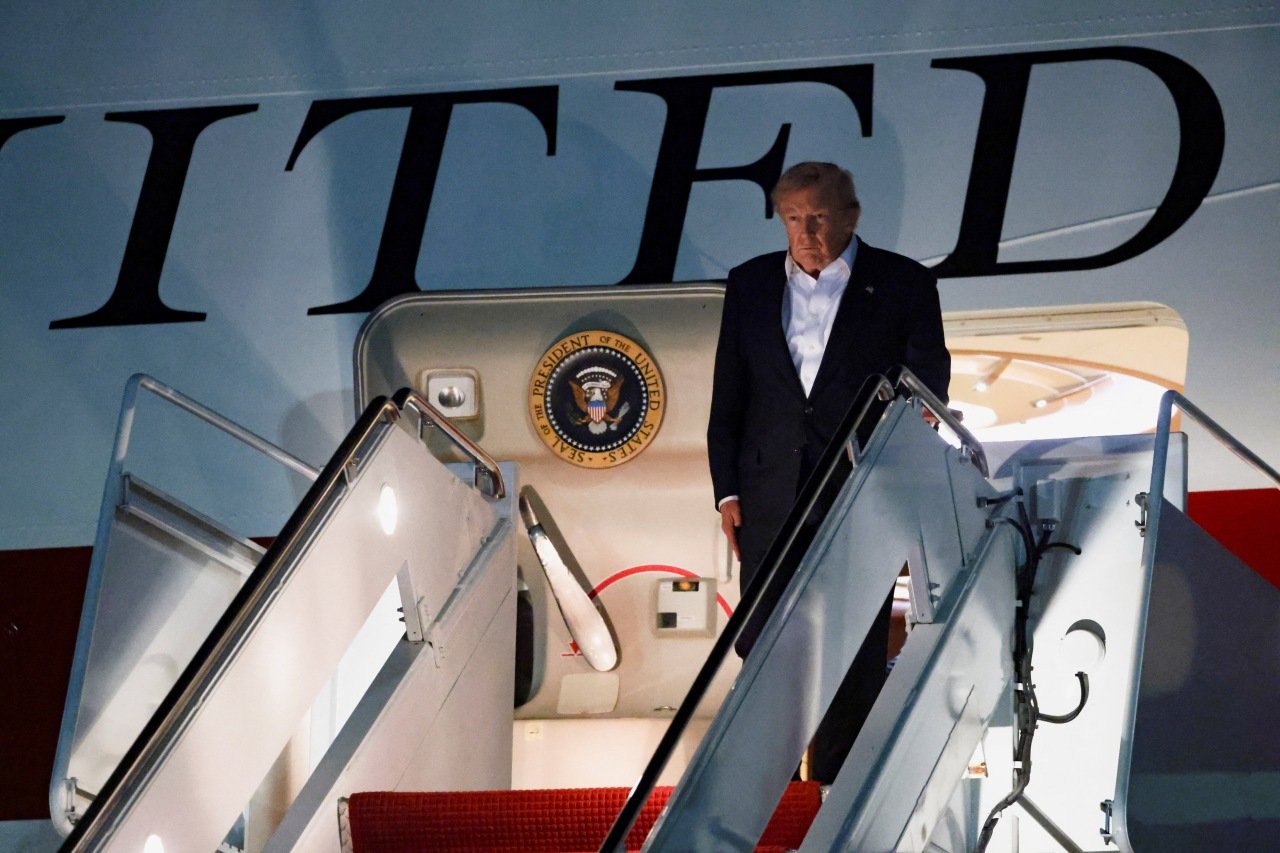
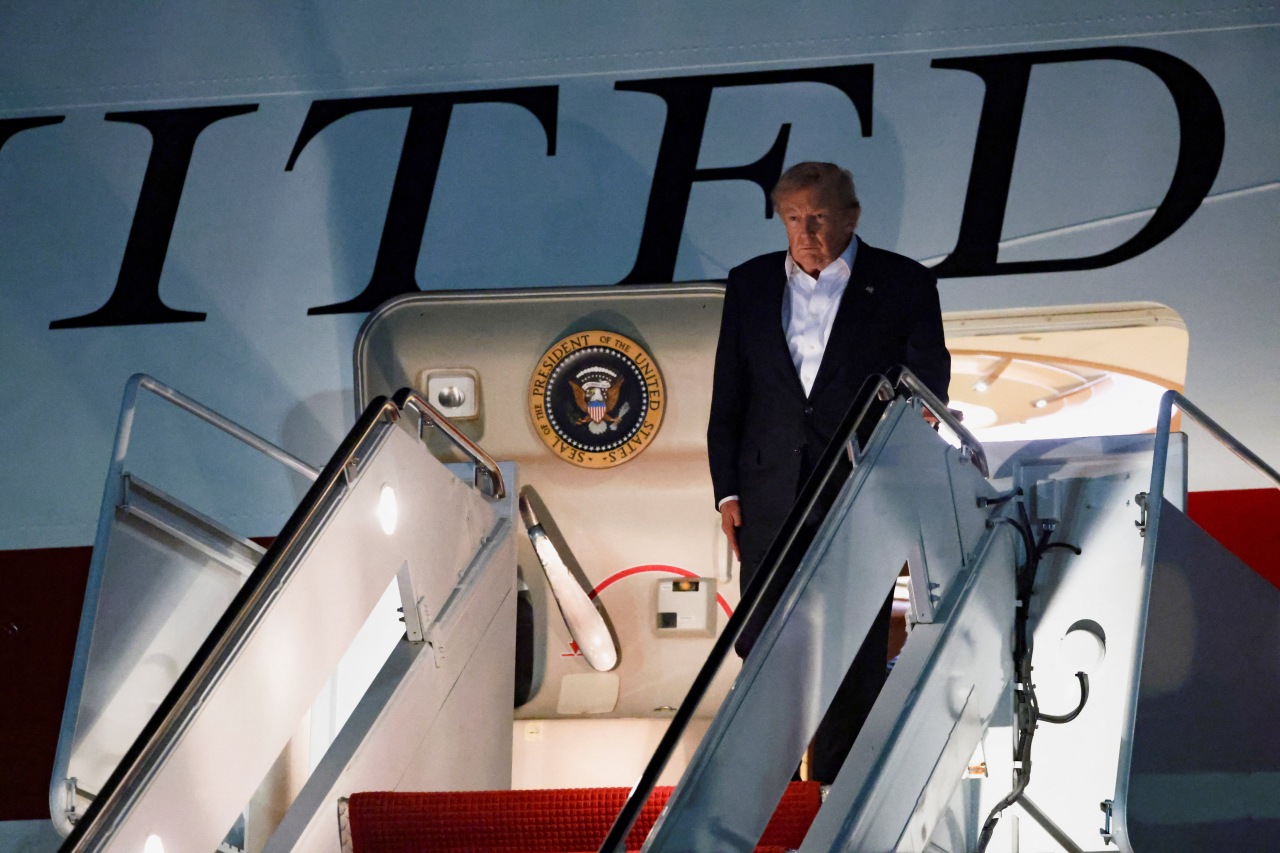
The Trump administration has taken a controversial step by subpoenaing reporters from the New York Times, who were involved in stories regarding security concerns about a jet gifted to the U.S. by the Qatari government. This jet was being used as Air Force One, according to the news organization.
Reporters such as Julian E. Barnes, Eric Lipton, Tyler Pager, and Eric Schmitt were served subpoenas, with some receiving them at their homes by federal agents on Friday. These actions occurred just two days after the Times published an article stating that President Trump had flown out of Turkey on an older Air Force One plane instead of the new luxury jet, due to security concerns.
The Times also reported that the jet provided by Qatar lacked certain advanced defensive features found in the previous model. This has raised questions about the safety and preparedness of the aircraft used for presidential travel.
Concerns Over Press Freedom
David McCraw, senior vice president and deputy general counsel at the Times, expressed strong concerns over the actions taken by the Trump administration. He stated, “The appearance of Federal law enforcement agents on the doorstep of news reporters should shock the conscience of any American who believes in the Constitution and the press freedom it protects.”
Joe Kahn, the Times Executive Editor, noted in a message to staff that the administration had used vague claims of national security threats to compel reporters to appear before a grand jury. He emphasized that the law is meant to protect journalists from retaliatory abuse of prosecutorial power.
The White House directed requests for comment to the Justice Department, which stated, “To the extent that we have to investigate breaches of national security, that’s something we will continue to do.” A spokeswoman added, “Reporters are not the targets, those leaking classified information are.”
Increasingly Aggressive Approach
The administration has adopted a more aggressive stance toward the media, limiting access to certain federal areas and issuing legal threats. In recent months, subpoenas have been issued to reporters from outlets like The Wall Street Journal and the Washington Post.
For instance, the Journal and its reporters received grand jury subpoenas dated March 4, seeking information related to an article about the Pentagon’s concerns regarding an extended military campaign against Iran. A Dow Jones spokesperson mentioned that the subpoenas were later withdrawn.
The Washington Post recently reported that one of its journalists was subpoenaed concerning “sensitive reporting about a national security matter.” The subpoena was also withdrawn, according to the Post.
FBI Involvement and National Security Concerns
The New York Times subpoenas came after FBI Director Kash Patel met with officials at the White House to discuss the bureau’s investigation into the leaked details about the plane. A source familiar with the matter revealed this meeting.
Charlie Stadtlander, a spokesman for the Times, mentioned that a senior FBI official contacted a reporter and a senior editor before the publication of an article about the decision to switch planes. The official requested that the article be held for national-security reasons without providing further explanation and asked the paper to disclose the sources it relied on, which the paper declined to do.
Later reports by the Journal and others detailed the decision for the president to fly back from Turkey aboard an older Air Force One plane due to concerns about the lack of defensive capabilities on the new luxury jet. However, Trump denied there was a security concern that led to the decision to switch planes.
Legal and Ethical Implications
Bruce D. Brown, president of the Reporters Committee for Freedom of the Press, highlighted that the New York Times subpoenas deviate from longstanding Justice Department practices. He said, “The law protects the public interest and press independence by requiring prosecutors to only seek information from reporters as a last resort when all other avenues have been exhausted.”
Trump privately expressed his frustrations to acting Attorney General Todd Blanche in April about media stories following the Iran war. This led to increased efforts at the Justice Department to investigate leaks. Blanche pledged to secure subpoenas targeting the records of reporters who have worked on sensitive national-security stories.
Blanche told reporters last month, “We very much value and appreciate the role that reporters play. I have a similar important role to make sure that people who are entrusted with our nation’s secrets do what they’re supposed to do with that information, which, spoiler alert, means not sharing it with reporters.”
Additional Incidents
In addition, FBI agents executed a search warrant at the Virginia home of Washington Post reporter Hannah Natanson earlier this year as part of an investigation into alleged mishandling of classified information by a government contractor. A federal judge later rejected a Justice Department request to search her seized devices and decided that the court would conduct the search itself.
- Author: Tyo Murty















At the moment there is no comment