
Smoke from Canadian wildfires spreads to Great Lakes and Northeast
- account_circle Tyo Murty
- calendar_month Wednesday, 15 Jul 2026
- visibility 14
- comment 0 comment
- print Print


info Adjust the font size of this article to get the best reading experience.
Rising Smoke Threat from Canadian Wildfires
Massive plumes of smoke from Canadian wildfires are expected to cross the border into the United States, posing a serious threat to air quality for over 100 million people in the Midwest and Northeast. This is not the first time such an event has occurred, but the scale and timing of this year’s smoke could have significant implications for public health and environmental conditions.
Current Smoke Situation
This summer, parts of the West, Plains, and Midwest have already experienced issues with smoke due to fires burning across the country. So far, more than 3.6 million acres have been affected, mostly in the western half of the U.S. However, the thicker smoke that is now moving toward the East comes from wildfires in Canada, particularly in Ontario.
In Canada, over 3,000 fires have burned nearly 4.5 million acres this season. While this year’s activity is not as intense as the record-breaking 2023 season, the combination of wildfires in Ontario and a heat dome in the central U.S. is causing smoky conditions for millions of people.
Impact on Air Quality
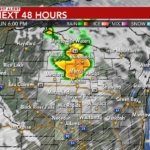
A first wave of smoke is already affecting a large area stretching from Chicago to Boston. Although this smoke has remained higher in the atmosphere, it hasn’t significantly lowered air quality or posed a major health risk. However, changes in weather patterns are expected to bring additional smoke closer to the surface by Wednesday and Thursday, leading to unhealthy air quality from the Upper Midwest to New England.
Wildfire smoke contains fine particles known as PM2.5, which can penetrate deep into the lungs or enter the bloodstream when inhaled. These particles can cause breathing difficulties, such as bronchitis, and may worsen conditions like diabetes, heart disease, and other chronic illnesses.
Health Risks and Precautions
Several states, including Michigan, Minnesota, and Wisconsin, are under air quality alerts due to the smoke. The National Weather Service has warned that smoke could become a concern in Chicago later this week. People with lung or heart conditions, children, and older adults are especially vulnerable to smoke-related illnesses.
The NWS advises individuals to limit outdoor activities and keep windows closed overnight to avoid exposure to smoke. While the smoke poses health risks, it also has a silver lining: it can help reduce temperatures by blocking sunlight. This could be beneficial for regions expecting high temperatures in the coming days.
Role of the Heat Dome
The current smoke movement into the U.S. is largely due to a record-breaking heat dome over the central part of the country. This heat dome has created ideal conditions for smoke to travel southward. Until now, none of the heat domes this year have been positioned in a way that would allow Canadian smoke to drift into the Midwest and Northeast.
However, the northern edge of this week’s heat dome is perfectly placed over northern Minnesota and southern Ontario, where wildfires are currently raging. This positioning allows smoke to flow east and south, directly impacting areas in the Midwest and Northeast.
Future Outlook
With several months remaining in the wildfire season, more smoke plumes from Canada could potentially move south in the coming weeks. While this year’s smoke is not expected to reach the same level of intensity as 2023, the trend of worsening smoke seasons is concerning.
Comparison to 2023
Three years ago, Canada experienced a record-breaking wildfire season, with 4,300 fires burning 25 million acres. In June 2023, smoke from Quebec engulfed the New York City skyline, as northerly winds pushed a wall of smoke into the region. A dominant high-pressure system over the Hudson Bay and a storm system over Atlantic Canada were responsible for funneling smoke into the Midwest and Northeast.
These systems remained stagnant, keeping the smoke in place for about four days. The impact was widespread, with more than 350 million people exposed to daily wildfire smoke-induced air pollution.
Climate Change and Smoke Seasons
In the U.S., the window for unhealthy wildfire smoke is expanding as fire seasons in the West become longer and more extreme. Climate change has been identified as a major factor in the increase of surface wildfire smoke. This smoke has undermined decades of progress in improving air quality, especially in the West.
A recent study found that planet-warming pollution led to approximately 15,000 additional deaths in the U.S. from wildfire particulate matter between 2006 and 2020. This highlights the growing threat of wildfire smoke and the urgent need for action to mitigate its effects.
- Author: Tyo Murty



















At the moment there is no comment