
Norway Objects to Bellingham’s Goal in England World Cup Match


info Adjust the font size of this article to get the best reading experience.
Norway was deeply upset with Jude Bellingham’s equalizing goal for England during their World Cup quarter-final match, as the ball appeared to hit an overhead camera cable in the buildup to the goal. The controversy has sparked a heated debate about the fairness of the decision and the role of the referee and VAR in such situations.
Andreas Schjelderup opened the scoring for Norway in the 36th minute with what seemed to be a mis-hit cross. However, Bellingham quickly leveled the score for England just before halftime. The goal came after a sequence that began when Norway’s goalkeeper, Orjan Nyland, took a goal kick that struck one of the cables connected to the overhead spider cam at Miami Stadium.
After the ball hit the cable, it altered its trajectory and fell to Elliot Anderson. Two passes later, Bellingham was able to find the back of the net, scoring a brilliant goal that tied the match at 1-1.
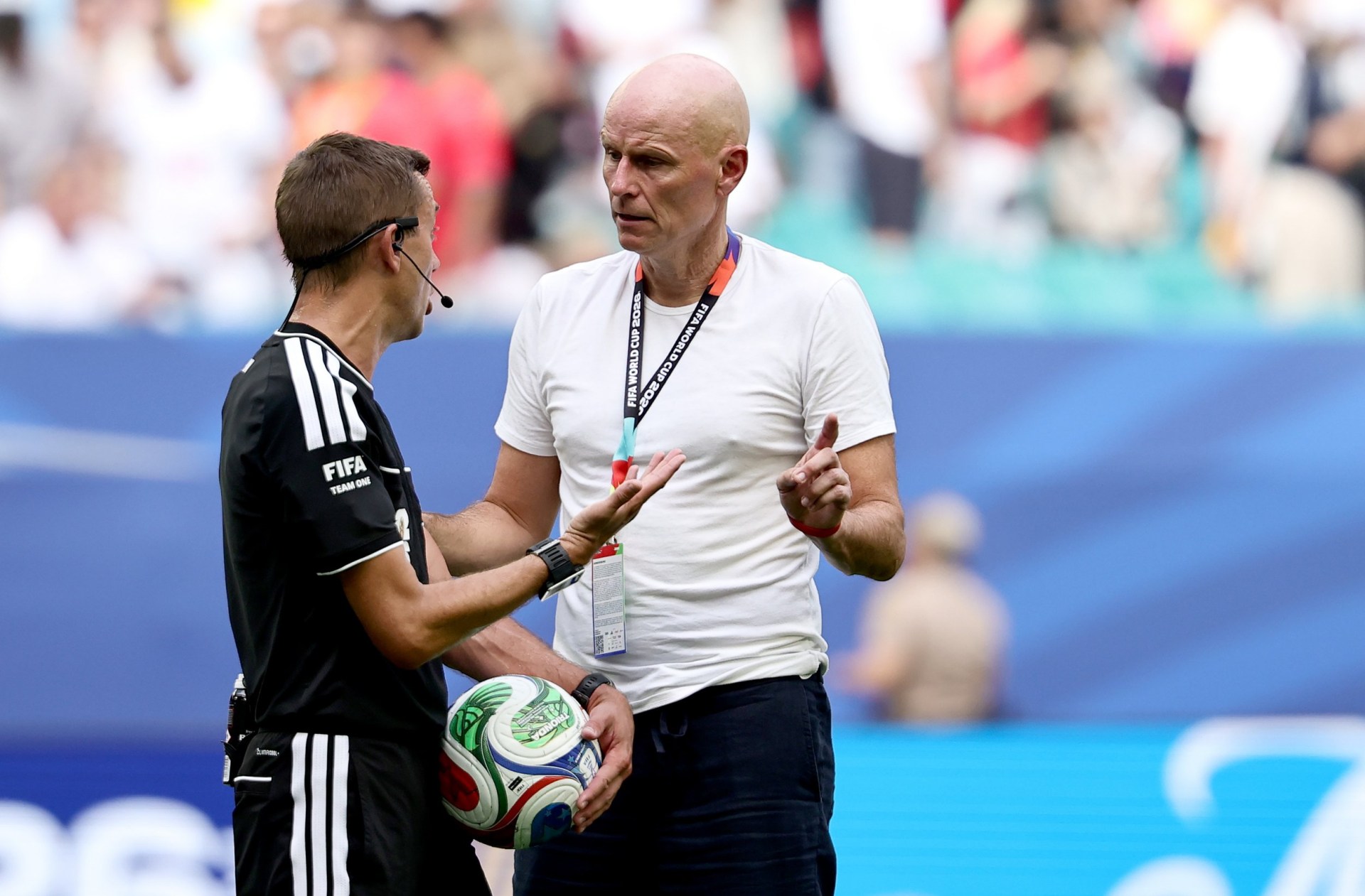
Norway’s head coach, Stale Solbakken, was visibly frustrated with French referee Clement Turpin after the half-time whistle, arguing that the goal should have been disallowed. According to the International FA Board (IFAB), which governs the laws of football, the referee should have ruled the goal invalid and awarded a drop ball at the point where the ball made contact with the cable.
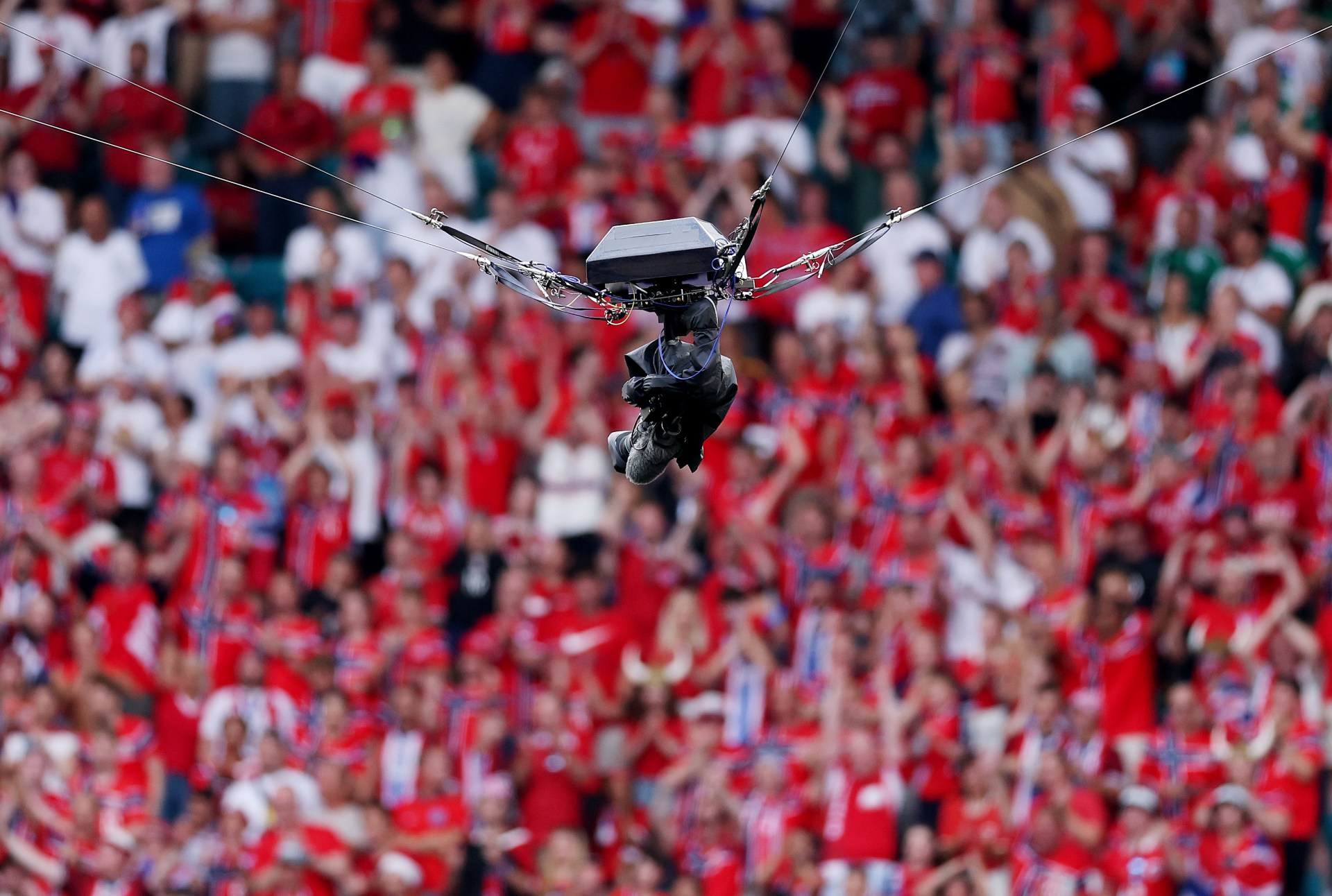
Former Premier League referee Mark Clattenburg commented on Fox Sports: “Some will question why the VAR did not intervene. Yes, they can step in if the contact between the ball and the camera cable is part of the reviewable incident. An attacking phase of play leading to a goal is included in the VAR reviewable incidents, so it should have been picked up by the VAR.”
At halftime, Norway’s assistant coach Kent Bergersen told TV2: “Before the goal, Orjan hit the wire for the camera over the field, so the ball was shorter than it should have been. The referees should have looked into that.”
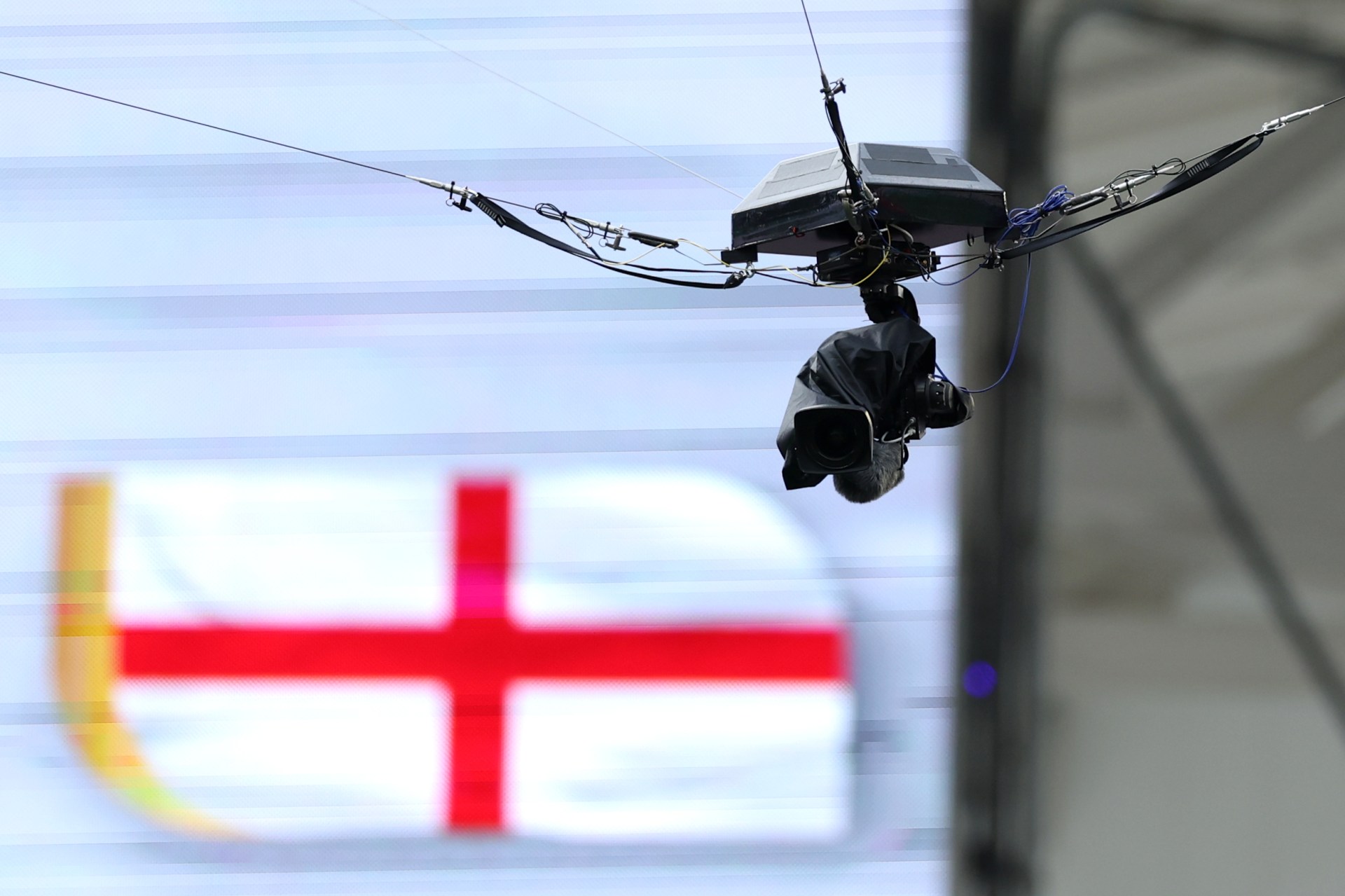
What should happen if the ball hits the spider cam?
According to IFAB’s Law 8, the ball is dropped for the team that would have retained or gained possession had play not been stopped. This includes the team that would have taken the restart in situations where the ball would have gone out of play.
If play is stopped because the ball makes contact with a match official or an outside agent, the ball is dropped where the interference occurred.
Pundits from Norwegian broadcaster TV2 were also critical of the decision to allow England’s goal to stand. Kristoffer Lokberg, a TV2 pundit, said: “If that ball hit the drone camera or a wire, this is a scandal. Then it should have been a draw and not 1-1.” He added, “I have no words. I have not witnessed anything like this before. If this becomes decisive, it will remain as one of the biggest World Cup scandals of all time.”
Erik Torp, another TV2 analyst, remarked: “If it turns out that the ball hit the cable, we are in for the refereeing scandal of the ages, seen through Norwegian eyes.”
For more stories like this, check our sport page.
- Author: Tyo Murty


















At the moment there is no comment