
7,000 Dead and Counting: The Brutal Reality of North Korean Troops Fighting for Russia in Kursk

info Adjust the font size of this article to get the best reading experience.
North Korean Troops in Kursk Oblast: A Growing Concern
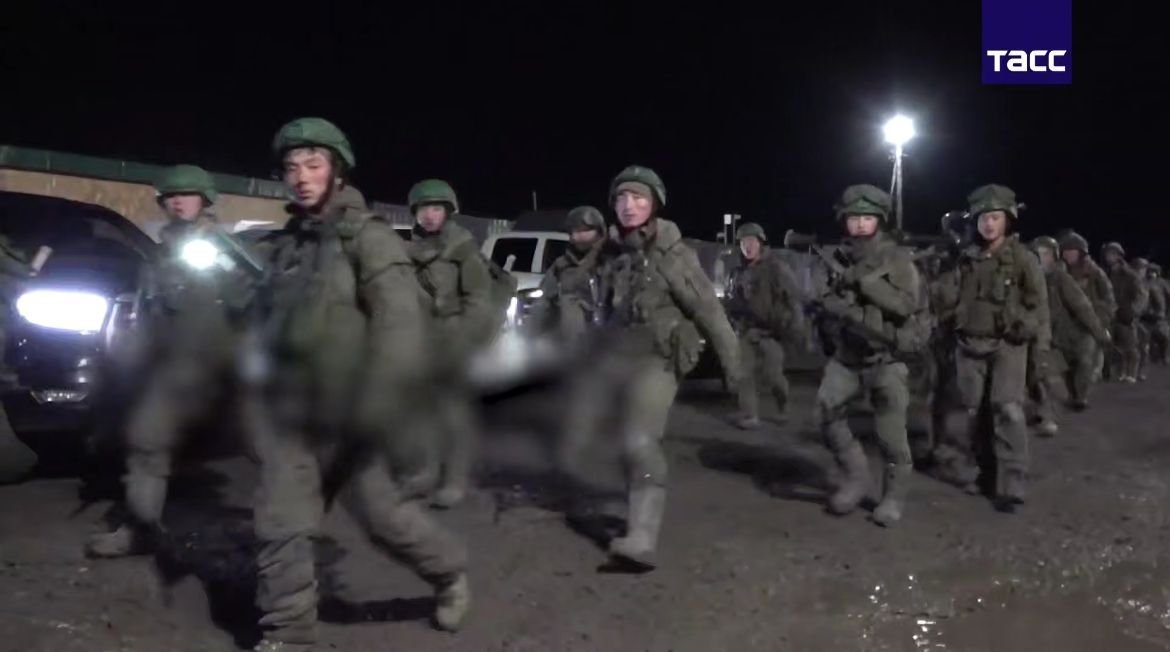
In the ongoing conflict between Russia and Ukraine, the involvement of North Korean troops has become a significant point of interest. According to Ukrainian military intelligence (HUR), North Korean forces have suffered over 7,000 casualties while fighting alongside Russian troops in the Kursk Oblast region during the period from August 2024 to March 2025. This figure surpasses earlier estimates by South Korean and British intelligence agencies, which had previously put the number of North Korean casualties at around 6,000.
The HUR’s claim comes amid a complex military operation where Ukrainian forces initially made significant gains in the Kursk Oblast. However, logistical challenges eventually forced them to withdraw. Despite initial unpreparedness for modern drone warfare, North Korean troops reportedly adapted quickly and demonstrated discipline in combat, according to Ukrainian soldiers who engaged with them on the front lines.
The Hidden Costs of War
North Korea has not officially commented on the number of casualties its troops have sustained in Russia. HUR, however, stated in a late June statement that the North Korean regime is likely concealing the true extent of its losses. This assertion adds to the growing concerns about the transparency of North Korea’s military operations and its commitment to its allies.
The reported casualties are part of a broader trend of deepening military cooperation between Russia and North Korea. Two years after signing the Comprehensive Strategic Partnership Agreement, the two nations have strengthened their ties, particularly as both face international isolation due to their actions in the war in Ukraine. This partnership has raised alarms among Western nations, as it provides both countries with strategic advantages.
Military Cooperation and Supplies
Recent reports indicate that North Korea has significantly increased the supply of military equipment and ammunition to Russia. In early 2026, HUR revealed that Russia has received a larger volume of North Korean-made artillery shells, including 122mm and 152mm variants, as well as ballistic missiles. This aid has allowed Russia to sustain its military efforts against Ukraine, providing a steady flow of supplies that helps offset its own shortages.
The military alliance between Russia and North Korea benefits both parties. For Russia, the partnership addresses critical shortages in ammunition and manpower. For North Korea, it offers an opportunity to enhance its missile and nuclear capabilities through technological exchange and collaboration.
Deployment and Strategic Implications
The first reports of North Korean troop deployment to Russia emerged in October 2024. By early 2026, South Korean news agency Yonhap reported that approximately 11,000 North Korean troops were stationed in the Kursk Oblast to support Moscow’s war efforts in Ukraine. This large-scale deployment underscores the strategic importance of the alliance between the two nations and highlights the potential long-term implications for regional security.
As the conflict in Ukraine continues, the involvement of North Korean forces raises questions about the future of military alliances and the global response to such partnerships. The situation remains closely monitored by international observers, who are concerned about the escalating tensions and the potential for further destabilization in the region.
Conclusion
The presence of North Korean troops in the Kursk Oblast and the increasing military cooperation between North Korea and Russia represent a significant shift in the dynamics of the conflict. With both nations facing international sanctions and isolation, their partnership could reshape the geopolitical landscape. As the war in Ukraine continues, the role of North Korea and its impact on global security remain critical areas of concern for the international community.
- Author: Tyo Murty














At the moment there is no comment