
Stop Throwing Away Your Apple Cores! This Simple Composting Hack Will Transform Your Garden

info Adjust the font size of this article to get the best reading experience.
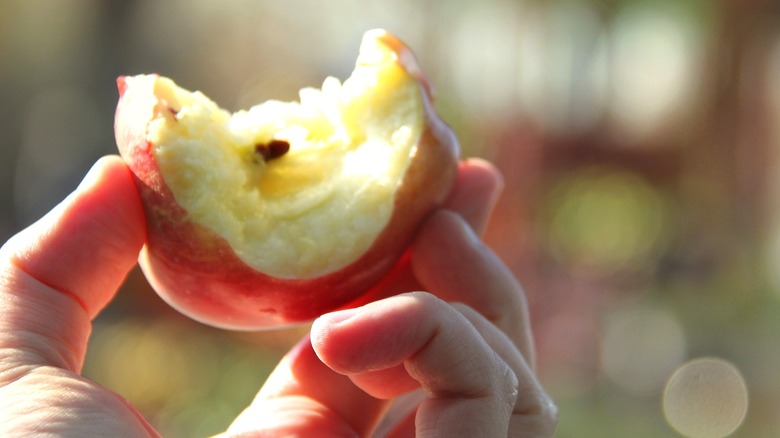
If you’re a gardener who already knows how to make your own DIY compost, you might be wondering what else you can add to boost your mix. Turns out, apple cores are a great choice. Apple cores add necessary moisture to compost, as well as the nitrogen that feeds it. They also tend to decompose easily and offer healthy nutrients that your plants will love. Also, if you’re a parent of a kiddo who doesn’t like the skin on their apple slices, don’t throw out apple peels when you could reuse them in the garden instead. Go ahead and toss those peels in the compost, too.
Apples also just so happen to be abundant in American kitchens; they rank No. 1 in the United States as the most consumed fruit. In fact, it takes over 11 billion pounds of apples grown in the U.S. each year to keep up with our demand. But where do all the apple cores go when we’re done with them? Unfortunately, we seem to have a habit of tossing them in the trash, and they end up in the landfill where they rot and produce methane.
At 24.1%, food waste, such as apple cores, makes up the biggest percentage of what ends up in landfills. Now, imagine if we redirected all those apples — cores and peels — to compost bins instead of trash cans. Our gardens would be so happy!
What Makes a Balanced Compost?
Compost is made from a combination of materials we call “green” and “brown.” Don’t confuse it for a fall-centric color scheme, though. Ironically, the composting materials that comprise these green and brown categories are actually all different colors. Green refers to the materials that add nitrogen to the mix, like food scraps, coffee grounds, or eggshells. Brown refers to materials that contribute to the carbon levels of the compost, such as cardboard, dried leaves, or straw. You need to maintain a healthy balance of green and brown for a successful compost. You’ll want to use about two to three times the amount of brown materials as you do green.
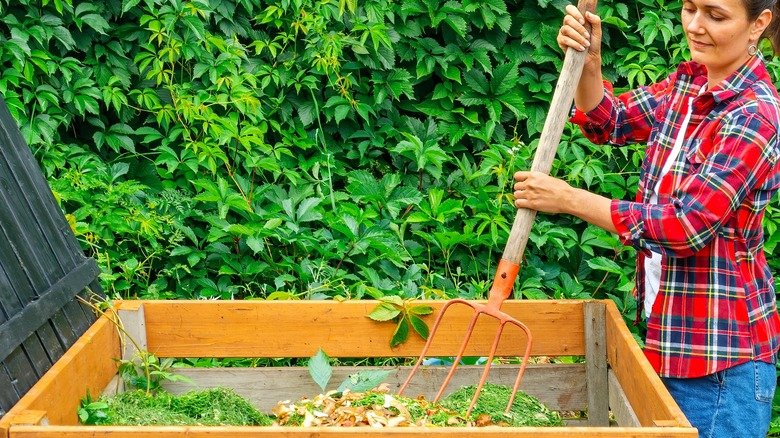
So when you’re looking for the kitchen scrap your compost will love in order to build up your level of green materials, turn to your stockpile of apple cores. You can chop them up before tossing them in to speed things up a bit, though it’s not required. To avoid pests like fruit flies swarming your heap, make sure to mix the apple cores under the brown materials. This will also help cover the smell of rotting fruit. Keep the compost aerated and working well by mixing it up, or “turning it” as some call it, every three to four days. When doing so, keep an eye on the moisture level and add a small amount of water if it appears dry.
Benefits of Using Apple Cores in Compost
Apple cores are a valuable addition to any compost pile because they provide essential nutrients and moisture. The nitrogen content in apple cores helps accelerate the decomposition process, making your compost richer and more effective for your garden. Additionally, apple cores break down relatively quickly, which means they won’t sit in your compost pile for long periods, reducing the risk of bad odors or pest problems.
Incorporating apple cores into your compost also helps reduce food waste, which is a growing environmental concern. By repurposing these scraps instead of throwing them away, you’re contributing to a more sustainable lifestyle. Plus, using homemade compost can improve soil quality, leading to healthier plants and better harvests.
Tips for Maximizing Your Compost
- Chop it up: While not necessary, chopping apple cores into smaller pieces can speed up the decomposition process.
- Mix it in: To prevent fruit flies and other pests, always mix apple cores into the compost pile rather than leaving them exposed.
- Balance it out: Ensure you maintain the right ratio of green to brown materials to keep your compost active and efficient.
- Turn it regularly: Aerate your compost pile every few days to promote even breakdown and prevent anaerobic conditions.
- Monitor moisture: Keep the compost moist but not soggy. If it becomes too dry, add a little water to maintain the right consistency.
By following these simple steps, you can turn apple cores and other kitchen scraps into nutrient-rich compost that benefits both your garden and the environment.
- Author: Tyo Murty




















At the moment there is no comment