
Sunrise III: Balloon-Borne Telescope Unveils New Solar Secrets

info Adjust the font size of this article to get the best reading experience.
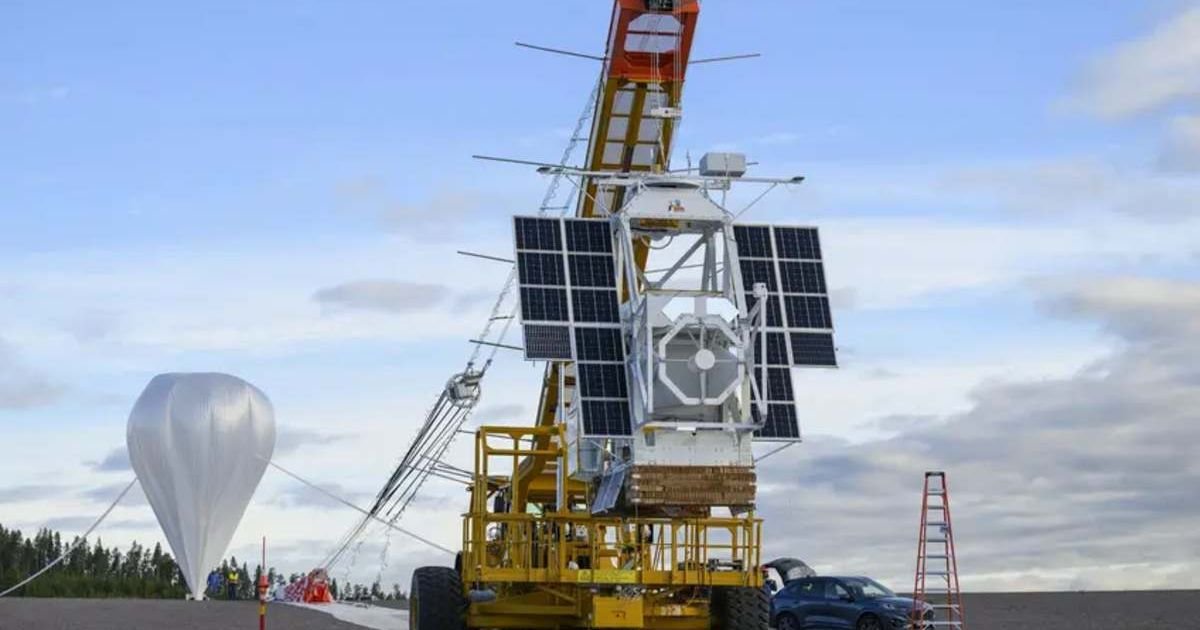
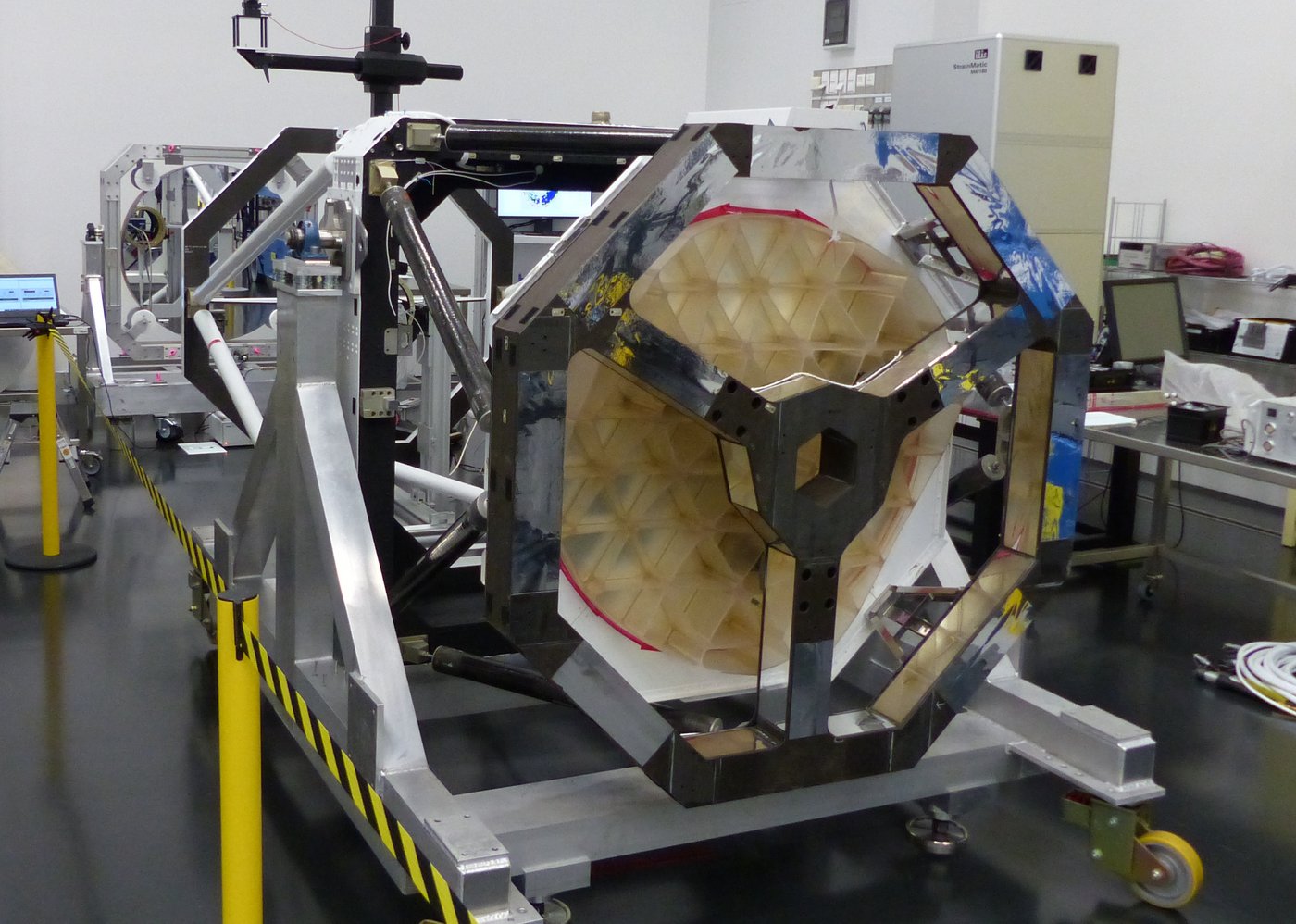
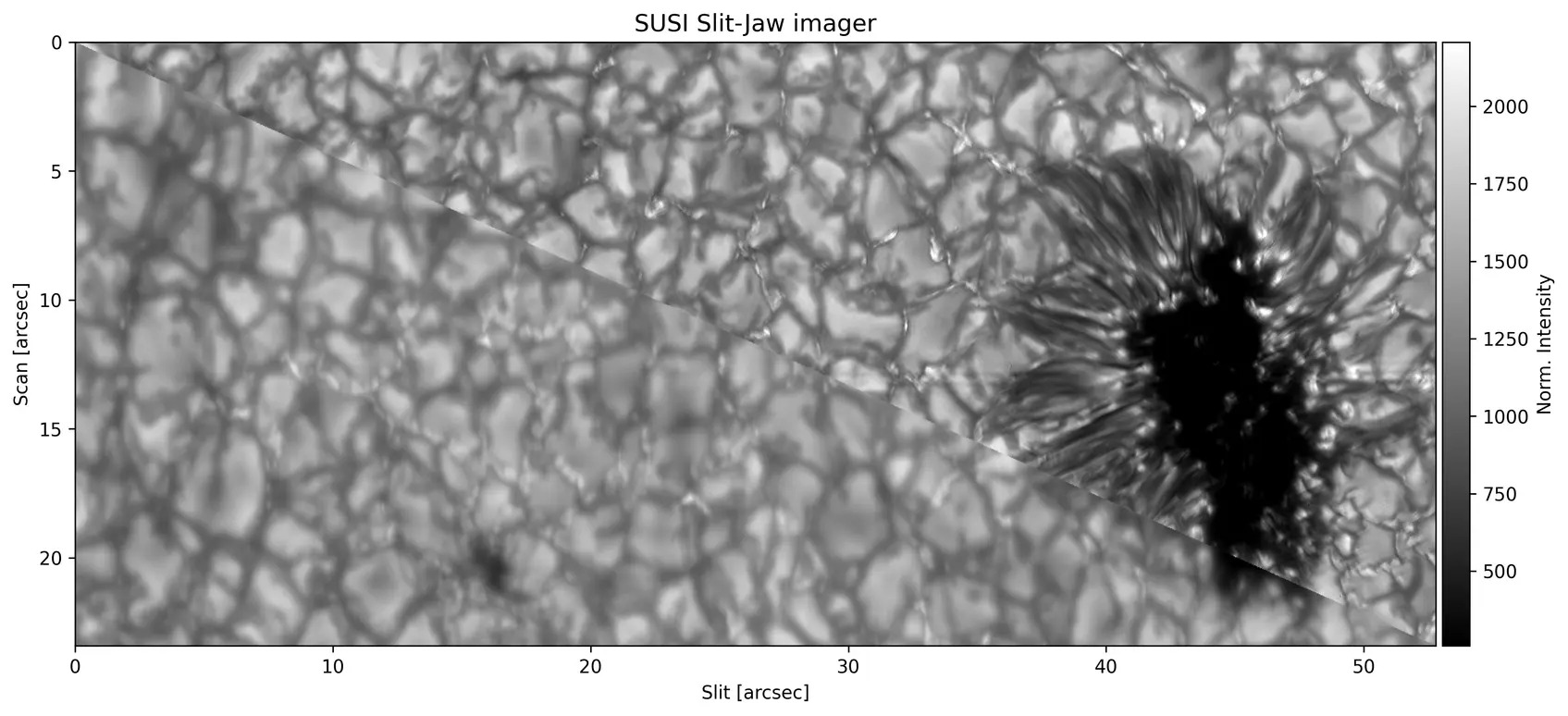
In July 2024, a remarkable scientific endeavor known as Sunrise III took flight. This balloon-borne solar observatory floated through the stratosphere for six and a half days, capturing detailed observations of the Sun as it traveled from the northernmost tip of Sweden to Canada’s Northwest Territories. The mission generated an astonishing 200 terabytes of data, offering scientists a deeper understanding of the Sun’s photosphere—the visible surface—and the chromosphere, a region responsible for powerful eruptions of particles and radiation into space. A recent paper published in the Astrophysical Journal Letters summarizes the initial findings of this groundbreaking mission.
“Sunrise III has already permanently changed our view of the Sun,” said Sami K. Solanki, director at the Max Planck Institute for Solar System Research and principal investigator of the Sunrise III mission. “The data show how minute structures and rapid processes in the photosphere and chromosphere determine the impetuous nature of our star.” During its journey, the observatory captured a wide range of solar phenomena, from tranquil regions to intense displays of activity, including sunspots, strong magnetic fields, and multiple solar flares.
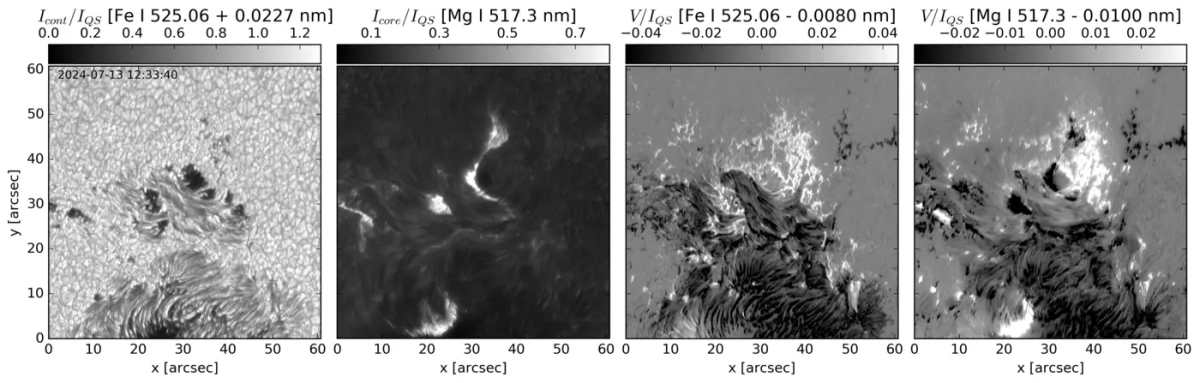
“The results already available are as diverse as the Sun itself,” said Smitha Narayanamurthy, a researcher at the Max Planck Institute and co-author of the paper. “They reveal new insights into the Sun’s quiescent state and help us understand its volatile side.” One of the most significant discoveries involves acoustic waves—oscillations created by the flow of plasma inside the Sun. For the first time, researchers were able to track these waves within the photosphere and chromosphere and examine their interaction with the magnetic field present there. Previously, such waves had been observed mainly between 100 and 200 kilometers above the Sun’s surface. However, the photosphere and chromosphere together span approximately 1,242 miles (2,000 kilometers), making this observation a major breakthrough.
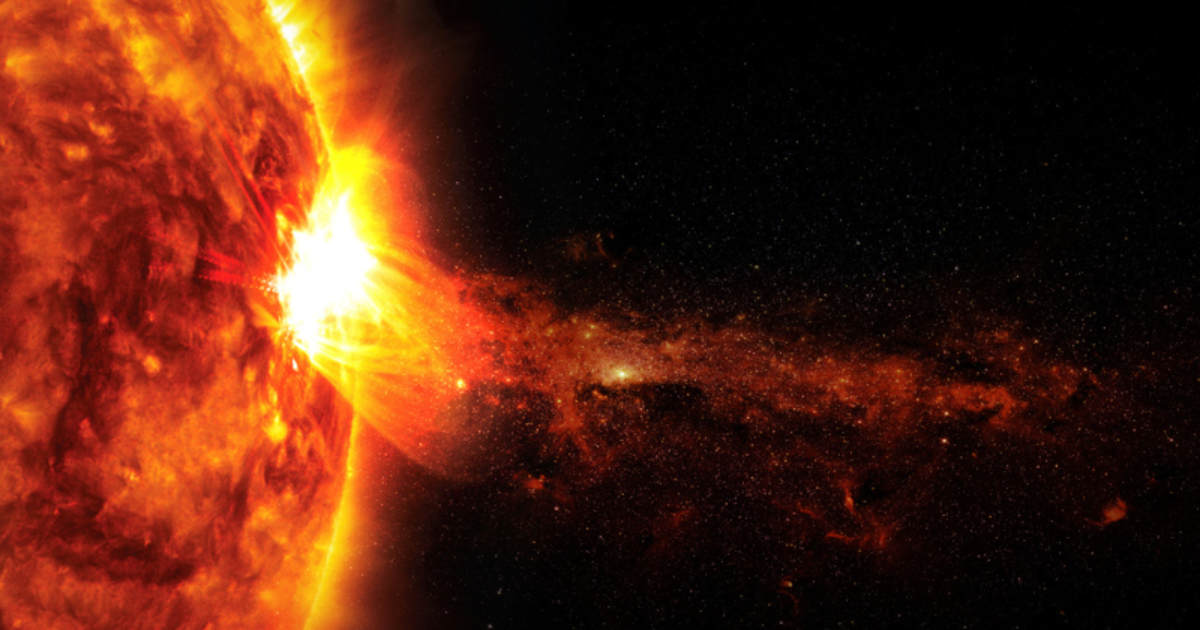
An M-class solar flare occurred during the mission, causing moderate disruptions in satellite systems and power grids. During such events, magnetic field lines rearrange, creating elongated, bright structures in the chromosphere. Sunrise III provided valuable insights into these structures and the changes in magnetic fields associated with them, helping scientists better understand how large solar flares evolve from smaller events in the chromosphere.
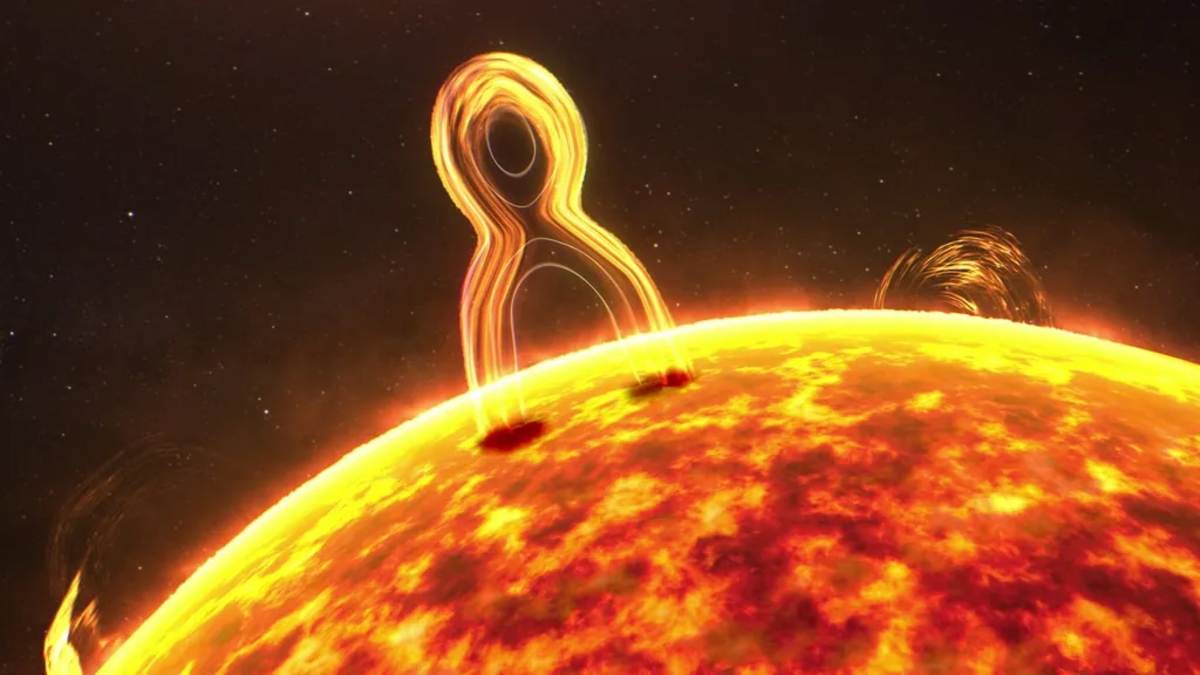
Previously, scientists believed that magnetic field lines rising through the quiet regions of the Sun’s surface into the chromosphere were neatly ordered. However, Sunrise III’s observations, supported by computer simulations, suggest a different scenario. Finely twisted magnetic strands embedded within these structures appear to channel and control the flow of superheated plasma into the chromosphere, potentially forming the sites of small “solar tornadoes.”
The analysis of Sunrise III’s data is still ongoing. “We’re still just at the very beginning,” said project manager Andreas Korpi-Lagg. “The data from the Sunrise III mission will keep us busy for many years to come—and will certainly hold a surprise or two.”
More on Daily News Lite
Why is the Sun’s atmosphere hotter than its own surface? Long-standing mystery may finally have an answer
NASA’s Parker Solar Probe hits 430,000 mph during latest flyby just 3.8 million miles above the Sun
- Author: Tyo Murty




















At the moment there is no comment