
Philadelphia Cleans Up Gateway Areas Ahead of Major Events, but Residents Want More

info Adjust the font size of this article to get the best reading experience.
Philadelphia’s Anti-Graffiti Campaign and the Divide Between Tourists and Residents
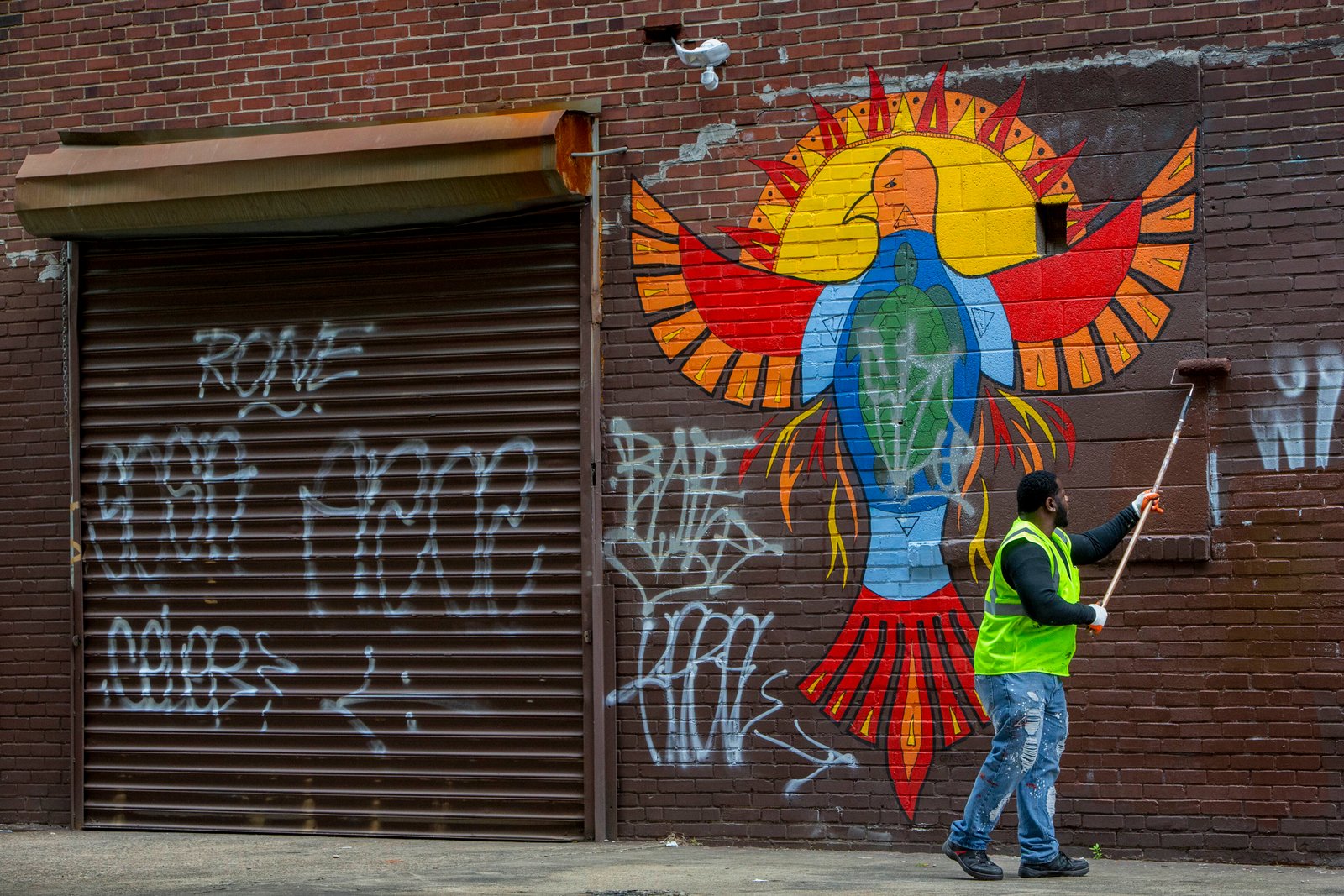
Philadelphia is making a concerted effort to ensure that its first impression on visitors this summer is as clean and welcoming as possible. The city has launched an anti-graffiti cleanup campaign as part of its broader beautification initiative, aiming to enhance the experience for those coming to attend major events such as the World Cup, the nation’s 250th anniversary celebrations, and the MLB All-Star Game.
The Gateways to Philadelphia project focuses on seven key transit areas that are likely to be the first point of contact for many visitors. These locations include:
- 26th Street Gateway at Penrose Avenue
- South Street Bridge, walls, medians, and ramps
- 30th Street Station walls, medians, and ramps
- I-676 interchange at 15th and 16th Streets and Vine Street
- I-676 interchange at Sixth and Eighth Streets and Callowhill/Vine Streets
- I-76 and I-95 interchange at Second and Third Streets and Callowhill/Vine Streets
- CSX/Amtrak wall at Spring Garden Street
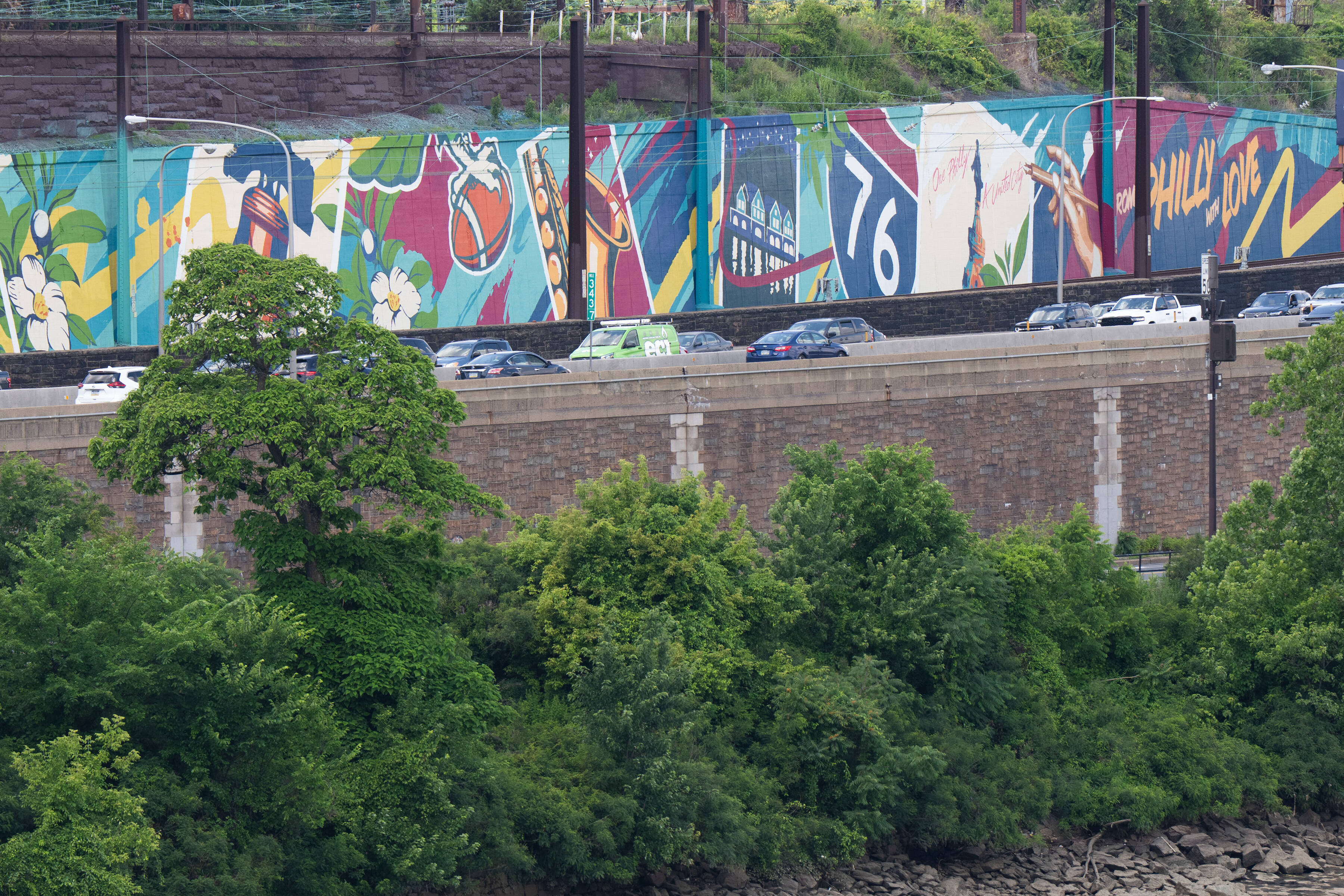
These areas are being transformed with new murals, fresh flowers, and improved landscaping to create a more inviting atmosphere for travelers.
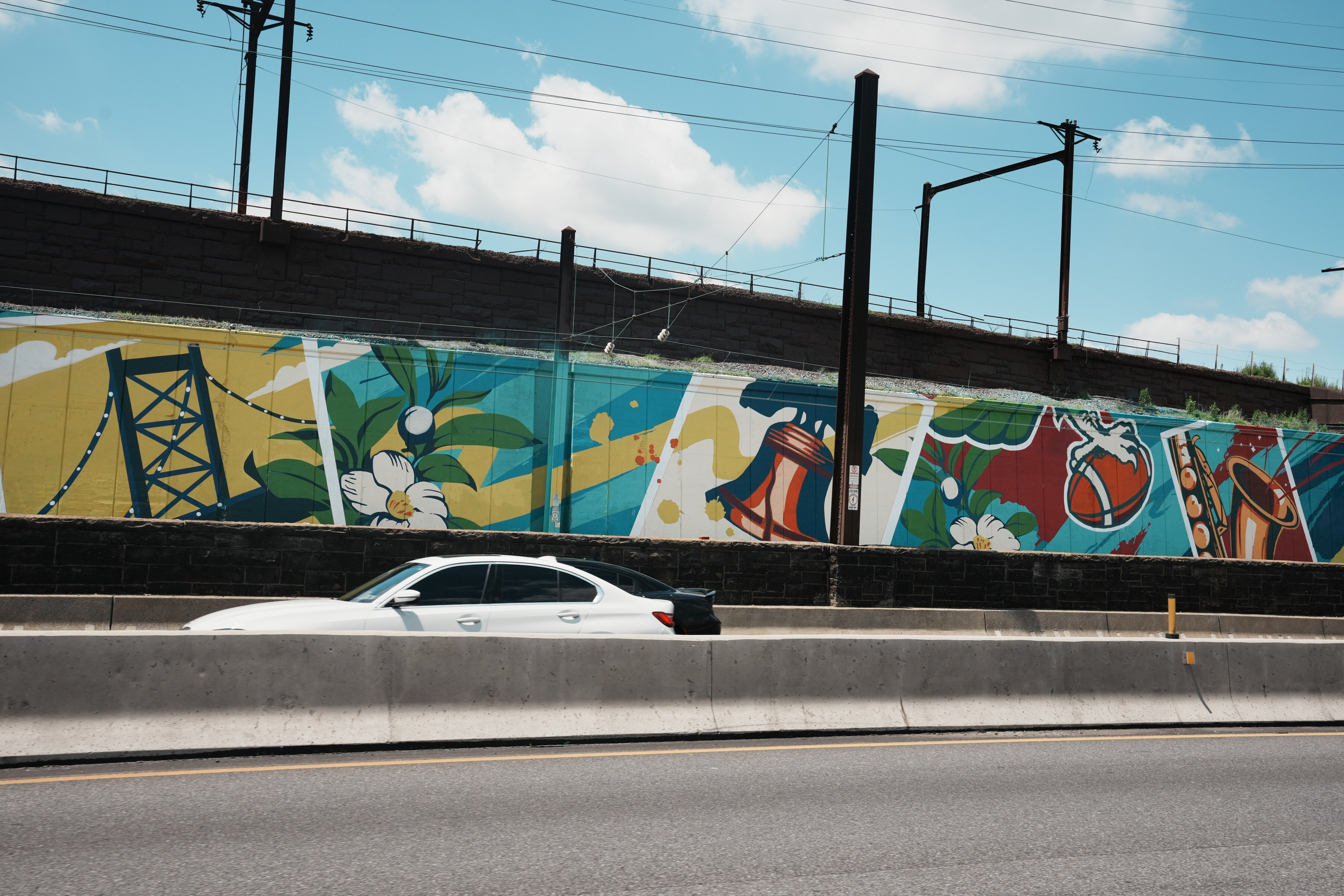
However, the areas most in need of graffiti cleanup do not align with these gateways. Data from 311 requests last year showed that the highest concentrations of graffiti removal requests were in West Philly, South Philly, and Northern Liberties. Despite some gateway locations being near these high-density areas, they are located on the opposite side of the Schuylkill River, which means they are not directly serving the neighborhoods where the need is greatest.
In 2025, residents submitted a total of 10,141 graffiti removal requests, and nearly all of them have been resolved. There was a noticeable increase in spring, with over 1,100 requests filed each in March and April.
Sara Lorenz, a 45-year-old resident of West Philly, lives in one of the areas with a high number of graffiti removal requests. She noted that while graffiti is usually cleaned up quickly near businesses, it sometimes lingers and becomes an eyesore. Lorenz distinguishes between artful graffiti and careless markings, suggesting that the city could benefit from an initiative targeting the latter.
She understands the city’s goal of making a good impression on tourists but believes that residents also deserve attention. “As residents, we also deserve respect,” she said.
Efficient response times have been a key factor in addressing graffiti issues. The city reports that graffiti removal requests submitted through 311 are handled by the Philadelphia Community Life Improvement Program (CLIP), which takes an average of eight days to close a request, with five days as the median time.
Some residents, like Joe Eastman, a retired Navy veteran and 311 neighborhood liaison, have noticed that certain spots, like a stop sign near Broad Street and Snyder Avenue, seem to attract repeated graffiti. Eastman walks the neighborhood regularly and reports what he sees, often finding the same issues recurring.
Despite this, Eastman is satisfied with the current response rate and does not see a problem with the focus on visitor areas as long as CLIP continues to operate efficiently. “I get what they’re doing. And as long as they are being as responsive as they have been, I think we can all get along with this,” he said.
While the city emphasizes that the gateways project is driven by the needs of visitors, there are plans to maintain some of the improvements even after the events have concluded. A maintenance plan has been put in place for the new installations, according to Keisha McCarty, a spokesperson for the Philadelphia Office of Clean and Green Initiatives.
Fikru Bekele, a property owner along Baltimore Avenue, understands the city’s focus on visitors but acknowledges that neighborhoods also need care. “Neighborhoods need to be taken care of, too,” he said.
Ultimately, the balance between catering to tourists and addressing local concerns remains a challenge for Philadelphia as it works to maintain a clean and welcoming environment for all.
- Author: Tyo Murty















At the moment there is no comment