
Hegseth Unveils New Policy to Test Troops for Low Testosterone
- account_circle Tyo Murty
- calendar_month Wednesday, 15 Jul 2026
- visibility 15
- comment 0 comment
- print Print

info Adjust the font size of this article to get the best reading experience.
New Screening Program for Testosterone Deficiency Among Military Personnel
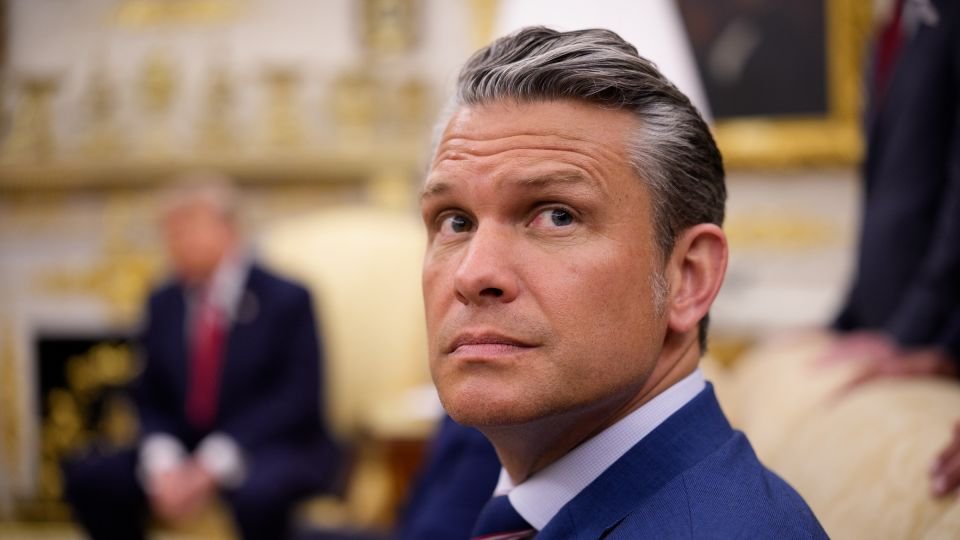
Defense Secretary Pete Hegseth recently announced a new initiative aimed at addressing “testosterone deficiency” among military personnel. The program, which will be implemented as part of annual medical screenings for service members aged 30 and older, is intended to help troops operate at their “absolute best.” Soldiers under 30 will have the option to volunteer for testing, and the administration has emphasized that receiving testosterone replacement therapy will be entirely voluntary.
In a social media video, Hegseth spoke about the importance of maintaining the strength, resilience, and capability of military personnel. He highlighted the need for “maximum psychological and mental readiness” in the face of modern battlefield challenges. However, the focus of the initiative appears to be primarily on male service members, despite the general reference to “troops” in his remarks.
This announcement comes amid broader discussions within the Trump administration about expanding access to testosterone replacement therapies. While some of the messaging aligns with established scientific research on testosterone, it also includes claims that are less substantiated by medical evidence.
The Pentagon has not provided detailed information about the research or academic studies that support this new policy. Additionally, there has been no mention of whether female troops will be eligible for similar screenings, particularly for estrogen levels during perimenopause.
Testosterone levels naturally decline with age and are associated with various health issues, including erectile dysfunction, low libido, mood changes, and weight gain. However, experts have long debated how to accurately diagnose these conditions and whether hormone replacement therapy is appropriate for all cases.
Hegseth’s announcement coincides with efforts by other Trump administration officials, such as Health Secretary Robert F. Kennedy Jr., to make it easier for doctors to prescribe testosterone. Recently, the Food and Drug Administration proposed easing restrictions on testosterone gels, pills, patches, and injections. Currently, these medications are only approved for men with hypogonadism, a condition characterized by significantly low testosterone levels.
Despite this, many advocates of Kennedy’s “Make America Healthy Again” movement promote testosterone as a way to look younger, build muscle, and maintain mental sharpness—though these uses are not widely accepted by the medical community. Recent studies have shown potential benefits of testosterone therapy for certain conditions, such as improved sexual function and mood, while also addressing concerns about heart safety.
In 2022, the FDA removed a boxed warning regarding the risk of heart attacks and strokes from testosterone drugs. Studies by the National Institutes of Health have found that testosterone treatment can improve erectile dysfunction, libido, and other sexual measures in older men, although there was little impact on fatigue, memory, or overall well-being. Other research has indicated possible improvements in muscle-building, strength, and bone density.
However, current medical guidelines generally advise against widespread testosterone testing. Doctors are typically encouraged to discuss testosterone therapy with men who experience troubling symptoms and have documented low levels of the hormone on two separate blood tests. Testosterone levels can fluctuate throughout the day, making accurate readings challenging and often requiring morning fasting for reliable results.
Rep. Chrissy Houlahan, a Pennsylvania Democrat and Air Force veteran, criticized the announcement, stating that it reflects Hegseth’s alignment with “the far corners of the manosphere.” She expressed hope that testosterone testing would be available for both men and women, ensuring that servicewomen have access to the same resources to become “the most elite warriors.”
Hegseth has made several controversial decisions related to military policies. In April, he announced the repeal of the military’s flu vaccine mandate, citing “medical autonomy” and religious freedom. This decision came shortly before a flu outbreak at the U.S. Air Force’s boot camp, which sickened nearly 300 people.
- Author: Tyo Murty



















At the moment there is no comment