
Dollar Holds Strong Amid US Inflation Outlook, Yen Struggles
- account_circle Tyo Murty
- calendar_month Wednesday, 15 Jul 2026
- visibility 16
- comment 0 comment
- print Print

info Adjust the font size of this article to get the best reading experience.
Global Markets Remain Volatile Amid Inflation Concerns and Geopolitical Tensions
As global markets continue to navigate a complex landscape, the U.S. dollar has remained relatively stable on Tuesday, awaiting key economic data that could influence future monetary policy decisions. The dollar index, which tracks the greenback against a basket of major currencies, was flat at 101.27, reflecting cautious sentiment ahead of critical inflation reports.
The focus is now on the release of U.S. June Consumer Price Index (CPI) data, followed by Producer Price Index (PPI) figures the next day. These reports will provide crucial insights into inflation trends, which remain a top priority for the Federal Reserve. Additionally, Fed Chair Kevin Warsh is set to deliver his first semiannual testimony before Congress, offering further clarity on the central bank’s stance.
Escalating Tensions in the Middle East
Geopolitical tensions have also played a significant role in shaping market dynamics. Recent exchanges between U.S. and Iranian forces have reignited concerns over the stability of the region. President Donald Trump announced that the U.S. would reinstate a naval blockade on Tehran and ensure the Strait of Hormuz remains open for a fee, following a series of missile and drone strikes.
This escalation led to a sharp rise in oil prices, with both U.S. West Texas Intermediate and Brent crude futures surging more than 2% to their highest levels since mid-June. Oil prices saw an increase of over 9% on Monday, reaching a one-month high.
Currency Movements and Central Bank Signals
The euro remained stable against the dollar at $1.1383, while the British pound traded at $1.3347. Meanwhile, Federal Reserve Governor Christopher Waller hinted that interest rates may need to rise in the near term if inflation continues to exceed the central bank’s 2% target.
Ray Attrill, head of FX strategy at National Australia Bank, noted that a core CPI reading of 0.3% or higher could signal that the Fed’s preferred core PCE deflator is also running above 0.3%, potentially prompting a rate hike as early as the July meeting. However, economists’ median estimate for the June core CPI was 0.2% growth month-on-month, suggesting that the path forward remains uncertain.
Yen Faces Pressure Amid Policy Uncertainty
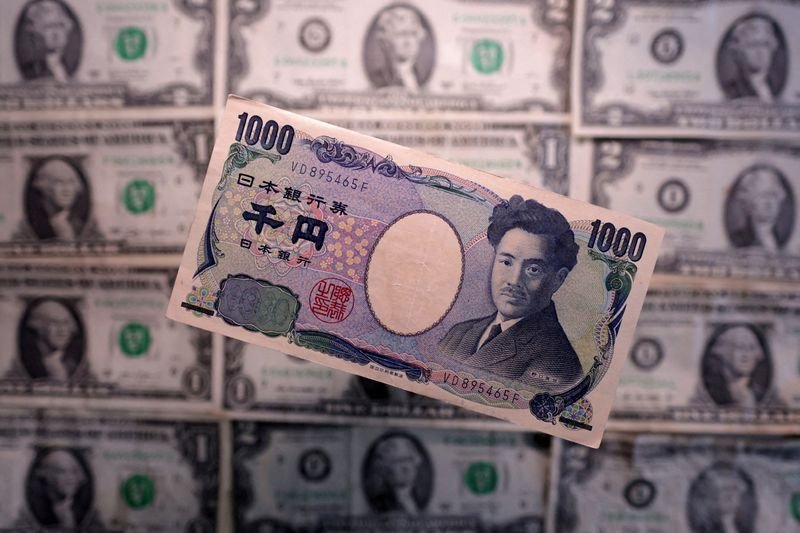
The Japanese yen continued to struggle, trading at 162.40 per dollar. This has raised concerns about potential intervention from Japanese authorities, as the currency remains near 40-year lows. Matthew Ryan, head of market strategy at Ebury, noted that while Japanese officials have softened their stance slightly, they remain vigilant and are prepared to take further action if needed.
The yen’s decline was partly influenced by reports that Tokyo has no immediate plans to alter the asset allocations of its state pension funds. This tempered expectations of near-term support for domestic assets. Earlier in the week, the yen and Japanese bonds had rallied after Finance Minister Satsuki Katayama indicated that the government would seek ways to encourage pension funds to invest more in Japanese financial assets.
Other Currencies and Cryptocurrencies
In addition to the yen, other currencies showed mixed performance. The Australian dollar last traded at $0.6915, while the New Zealand kiwi gained 0.24% against the dollar to $0.5762.
In the cryptocurrency market, Bitcoin rose 0.23% to $62,293.66, while Ether increased by 0.56% to $1,775.54.
Outlook and Market Implications
With inflation data and geopolitical developments continuing to shape market sentiment, investors remain on edge. The upcoming U.S. CPI and PPI reports, along with Fed communications, will be closely watched for clues on the direction of monetary policy. At the same time, ongoing tensions in the Middle East highlight the risks of sudden market volatility.
As the week progresses, the interplay between economic data, central bank actions, and global events will likely determine the trajectory of financial markets. For now, the focus remains on how these factors will influence currency movements and investor behavior in the coming days.
- Author: Tyo Murty



















At the moment there is no comment