
“This is the dumbest thing I’ve ever seen in a car”: New safety feature frustrates drivers
- account_circle Tyo Murty
- calendar_month Wednesday, 15 Jul 2026
- visibility 14
- comment 0 comment
- print Print

info Adjust the font size of this article to get the best reading experience.
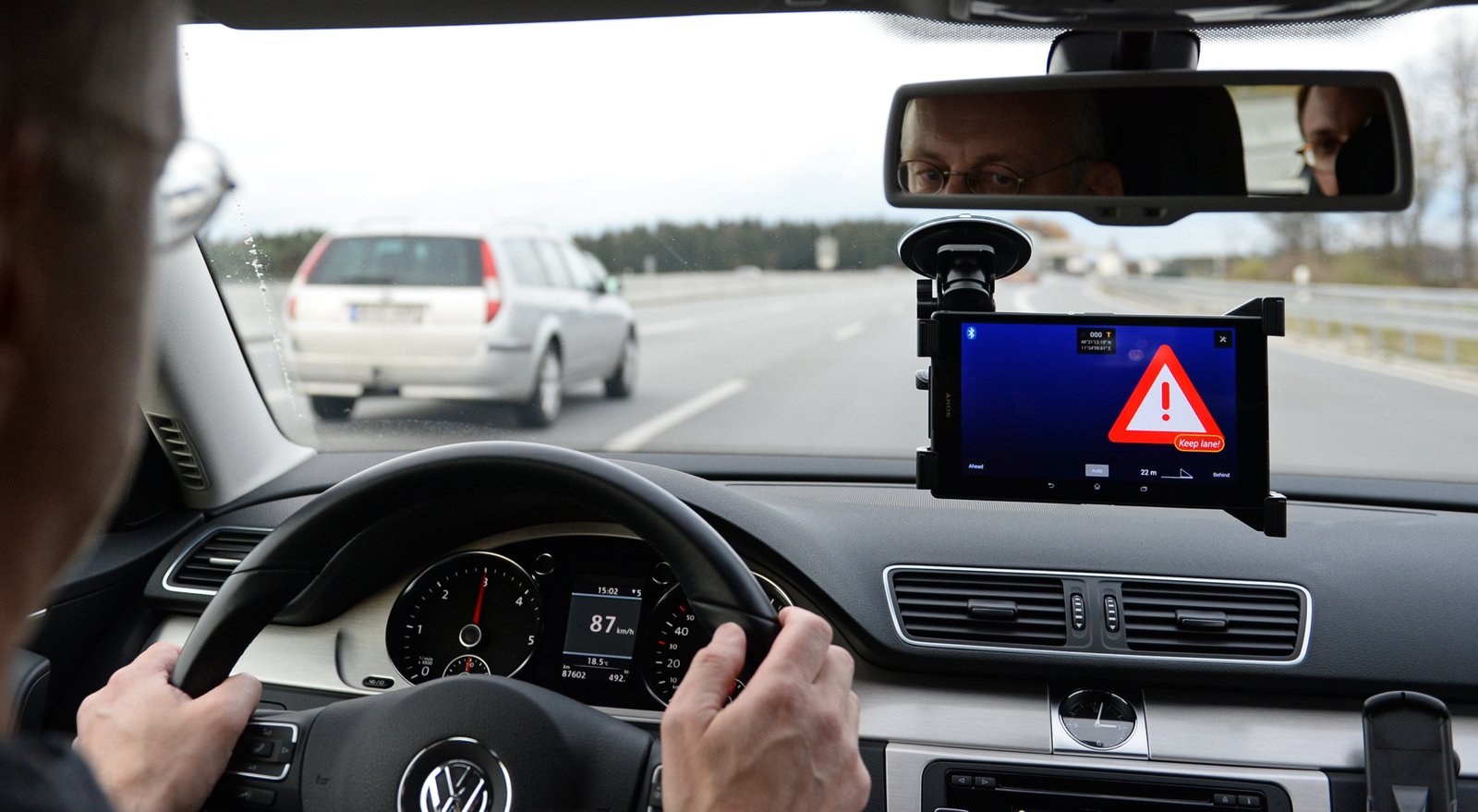
Driver attention systems, a relatively new safety feature in modern vehicles, have sparked mixed reactions among drivers. These systems are designed to monitor a driver’s focus by analyzing driving patterns, lane deviations, and even eye movements. The goal is to ensure that drivers keep their eyes on the road and remain alert, especially during long drives or when fatigue sets in.
Subaru’s DriverFocus system, for example, uses an infrared camera to track a driver’s head and eye movements. If the system detects that the driver is not paying enough attention, it emits a chime or other alert. This technology has been gaining traction because it is seen as a potential solution to prevent accidents caused by distraction or drowsiness. According to the Insurance Institute for Highway Safety (IIHS), approximately 4,000 deaths were reported in 2023 due to such causes.
Mixed Reactions from Drivers
While some drivers appreciate the added layer of safety, others find the system intrusive. Alex Dodd, a Subaru owner and content creator, shared his frustration on TikTok, stating that the system is overly sensitive. He mentioned that the system would alarm him even when he briefly looked out the window or changed his Spotify playlist. “I get the idea of it, but this is the dumbest thing I’ve ever seen in a car,” Dodd said.
On a Subaru forum, other drivers expressed similar dissatisfaction. One user wrote, “You can be facing the road constantly and it will still alarm.” In response, Subaru Product Communications Manager Aaron Cole stated that the company listens to customer feedback and continuously improves the system. He noted that DriverFocus was first introduced in the U.S. in 2019 and has since been refined across multiple models. Additionally, drivers can disable the system if they choose.
Industry-Wide Complaints
Complaints about driver attention systems are not unique to Subaru. A JD Power survey found that more than one in ten problems with new vehicles were related to advanced driver assistance systems. The top issue was excessive or malfunctioning alerts, which many drivers found annoying. Ashley Edgar, a senior director at JD Power, highlighted that these complaints have increased over time, from 2019 to 2024.
Despite the frustrations, most drivers seem to value the potential life-saving benefits of the technology. An IIHS study revealed that 87% of drivers kept Subaru’s DriverFocus system turned on most of the time. Additionally, 70% of those surveyed said they would want the system in their next car, and 64% felt it made them safer. IIHS President David Harkey noted that the high acceptance rate is encouraging, suggesting that some drivers may not fully understand what the system is detecting.
How to Disable the System
Most drivers can turn off the system, though the process varies by brand. For example, the Kia owner’s manual indicates that the Driver Attention Warning system may be turned off by default and remains disabled while turned off. Ford support states that the Driver Alert System remains disabled between ignition cycles. Some drivers have had difficulty turning off the feature permanently, so checking online resources, like YouTube videos, can help.
Another option is to skip the feature by choosing a lower trim level when purchasing a vehicle. However, this means forgoing other premium features included in higher trims. For instance, the 2025 Subaru Outback Limited includes the in-cabin camera, which is part of the DriverFocus system. Drivers who prefer to avoid the system entirely may need to consider this trade-off.
Future of Driver Monitoring Tech
A new federal rule, passed in 2021, requires carmakers to include passive driver-monitoring technology in all new cars. While automakers missed an initial deadline, a new one has been set for 2027. This gives drivers some time to purchase new cars without the alert system. However, as the technology becomes more widespread, it is likely that future vehicles will come equipped with such features by default.
Final Thoughts
Driver attention systems represent a growing trend in automotive safety. While they have faced criticism for being too sensitive or intrusive, they also offer significant benefits in preventing accidents. As the technology evolves, it is expected to become more refined and less bothersome for drivers. Whether these systems ultimately improve road safety or continue to face resistance will depend on how well they are implemented and how effectively they address driver concerns.
- Author: Tyo Murty




















At the moment there is no comment