
Syria’s New Parliament Convenes After Assad’s Fall
- account_circle Tyo Murty
- calendar_month Tuesday, 14 Jul 2026
- visibility 15
- comment 0 comment
- print Print

info Adjust the font size of this article to get the best reading experience.
The New Era of Syria’s Parliament
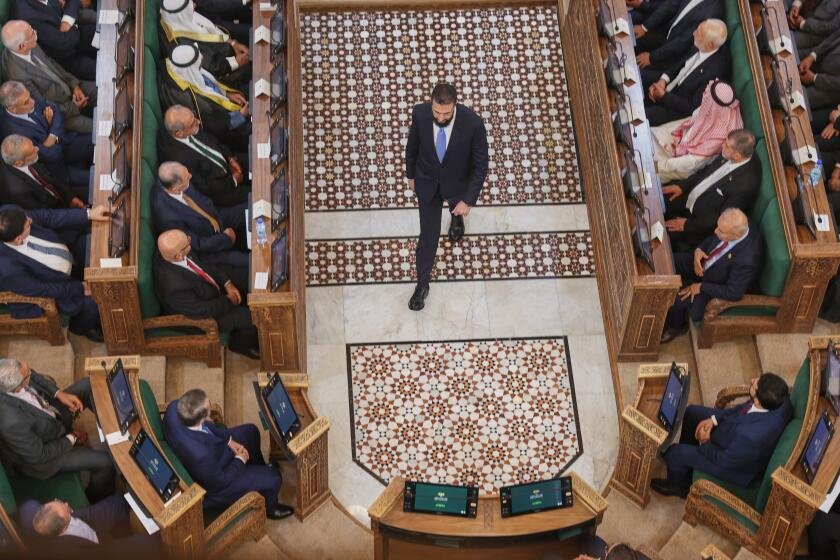
Syria’s newly elected parliament convened for the first time on Sunday, marking a significant step in the country’s journey toward stability and governance after years of turmoil. This session follows the ouster of former President Bashar Assad and represents a pivotal moment in Syria’s political landscape. The assembly aims to restart the legislative process, which has been disrupted by prolonged conflict and autocratic rule.
The establishment of this new parliament signifies that Syria is taking concrete steps toward drafting new laws and rebuilding its institutions. After decades of oppressive governance under the Assad family and a devastating civil war that claimed the lives of approximately half a million people, the nation is now looking to restore order and create a more democratic framework.
Composition of the Parliament
The 210-member People’s Assembly was formed through a combination of elections and appointments. Two-thirds of the members were chosen via electoral colleges, while the remaining third was appointed by interim President Ahmad al-Sharaa. The parliament will serve a 30-month term, during which it will work on preparing for future elections and shaping the country’s legal and political foundations.
In his address to the members of parliament, Al-Sharaa emphasized the importance of consolidating the state after the liberation of their homeland and the restoration of freedom. His speech highlighted the collective effort required to rebuild Syria and ensure a stable future for its citizens.
Leadership of the Parliament
After taking their oaths, the legislators elected Abdul Hamid al-Awak as the speaker of the parliament. Al-Awak, hailing from the northeastern province of Hasakah, has a background in the judiciary, having served as a judge in the Justice Ministry for a decade. According to Syria’s state-run SANA news agency, he was among several Syrian officials who defected from the Assad government during the early stages of the uprising and later sought refuge in Turkey.
This transition in leadership reflects a broader shift in the political dynamics of Syria. The presence of individuals with diverse backgrounds and experiences within the parliament suggests an attempt to create a more inclusive and representative governing body.
Moving Forward
As Syria navigates this new chapter, the role of the parliament will be crucial in shaping the country’s future. The challenges ahead are considerable, but the formation of this new legislative body offers hope for a more stable and democratic Syria. The coming months will be critical in determining the success of these efforts and the extent to which the nation can recover from its turbulent past.
- Author: Tyo Murty

















At the moment there is no comment