
Humanoid Robots Successfully Perform 2 Surgeries for First Time

info Adjust the font size of this article to get the best reading experience.
A New Era in Surgical Robotics
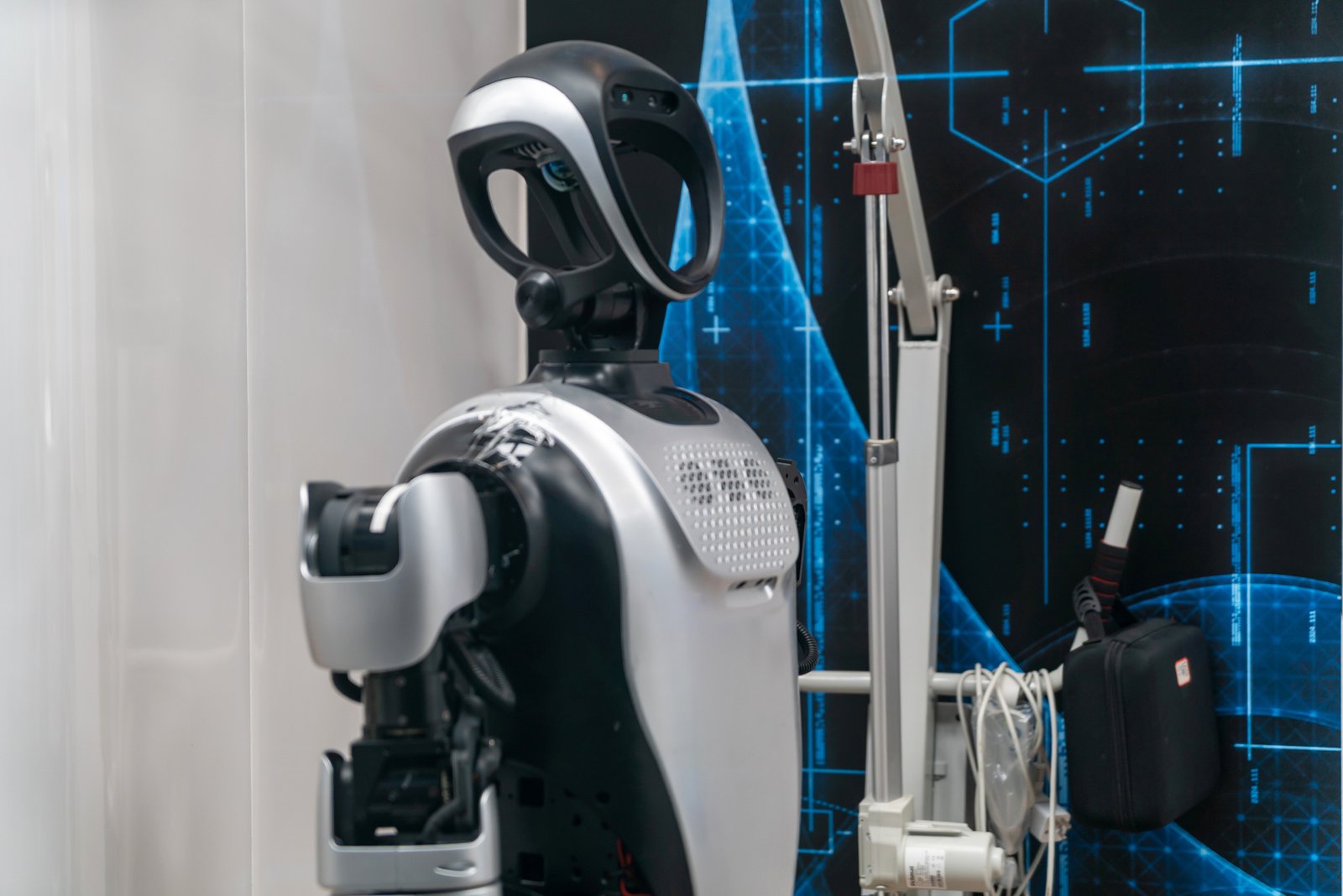
In a groundbreaking development, the medical field has reached another milestone with the successful performance of two surgeries by teleoperated humanoid robots. This achievement was made possible through a collaboration between engineers and surgeons at the University of California San Diego. The robots, named Surgie, were used in a preclinical trial on large non-primate mammals, marking the first time such procedures have been carried out by humanoid robots.
First Surgery: A Gallbladder Removal
The first surgery involved a humanoid robot working alongside a human surgeon to remove a gallbladder. This operation demonstrated the potential of these robots to assist in complex surgical procedures. The success of this task highlighted the precision and reliability that can be achieved when combining human expertise with robotic capabilities.
Second Surgery: Collaboration Between Robots
The second surgery took the concept a step further, as two humanoid robots worked together to perform the procedure. This collaborative effort showcased the ability of these robots to communicate and coordinate their actions, which is essential for more complicated surgeries. The results of both surgeries provided strong evidence that humanoid robots can play a significant role in the operating room, initially as assistants to human surgeons.
Benefits of Humanoid Robots in Surgery
Researchers emphasized several advantages of using humanoid robots in medical settings. These robots can be easily transported to under-resourced areas, making them ideal for regions where access to healthcare is limited. Additionally, they occupy less space in the operating room, are more cost-effective, and offer greater versatility in performing various procedures and general tasks.
Potential Applications Beyond the Operating Room
Michael Yip, a faculty member in the UC San Diego Department of Electrical and Computer Engineering, highlighted the potential of these robots in remote communities and austere environments. He envisioned a future where these robots could be deployed in search and rescue scenarios or areas with staffing challenges, significantly improving access to critical surgeries.
Addressing Healthcare Challenges
The global shortage of surgeons presents a significant challenge in meeting patients’ needs. By introducing humanoid robots into operating rooms, the efficiency of these spaces could be enhanced, reducing wait times and expanding access to healthcare services. This technology has the potential to address the healthcare crisis not only in the United States but also worldwide.
Overcoming Technical Challenges
Despite the promising results, there are still technical issues that need to be addressed. One of the main challenges is the lag between the human operator and the robot’s movements. However, the progress made so far indicates that these obstacles can be overcome with further research and development.
Looking Ahead
The use of teleoperated humanoid robots in surgery represents a significant step forward in the field of medicine. As technology continues to evolve, the integration of these robots into healthcare systems could revolutionize the way surgeries are performed, making them more accessible and efficient for patients around the world.
- Author: Tyo Murty




















At the moment there is no comment