
URMC Expert Warns New Yorkers as Wildfire Smoke Returns
- account_circle Tyo Murty
- calendar_month Wednesday, 15 Jul 2026
- visibility 12
- comment 0 comment
- print Print

info Adjust the font size of this article to get the best reading experience.
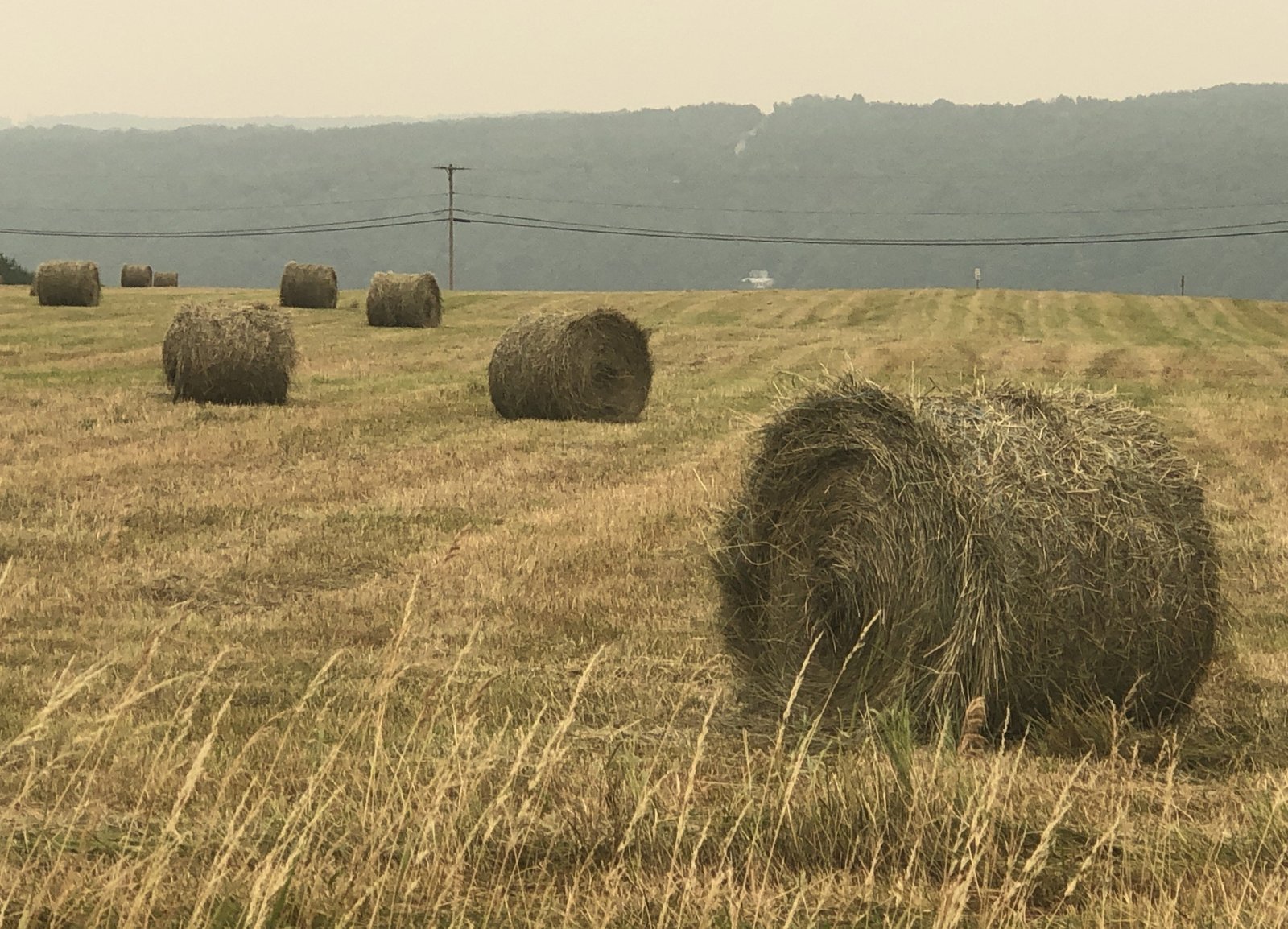
Smoke from Canadian wildfires has once again drifted into New York, causing hazy skies and pushing air quality to unhealthy levels across much of the state. The New York State Department of Environmental Conservation has issued an Air Quality Health Advisory that will remain in effect until midnight, as elevated levels of fine particulate pollution are expected to persist.
Here’s what Dr. Daniel Croft, a pulmonologist with the University of Rochester Medical Center, has to say about the current situation and how New Yorkers can protect themselves.
URMC doctor: ‘Unfortunately the wildfires are back’
“Unfortunately the wildfires are back,” said Dr. Daniel Croft, a pulmonologist with the University of Rochester Medical Center. He recalled the widespread wildfire smoke that blanketed western New York in 2023, when Air Quality Index (AQI) values climbed above 280, creating some of the worst air quality in the nation.
During that event, doctors saw an increase in patients experiencing respiratory problems, particularly people with asthma, chronic lung disease, and heart conditions. “When there’s poor air quality, it places additional stress on the lungs and cardiovascular system,” Croft said, noting that people with existing medical conditions are especially vulnerable.
Heat makes poor air quality even more dangerous
Croft said this week’s heat is adding another layer of concern. Temperatures are expected to reach the upper 80s and low 90s across much of upstate New York, while New York City and parts of the lower Hudson Valley could see heat index values as high as 104 degrees. “High temperatures do worsen air pollutants,” Croft said. “It is particularly dangerous when there is high heat and high pollution.”
He acknowledged it’s frustrating to stay indoors during the short upstate summer but said it’s the safest choice while smoke levels remain elevated. “There are periods in summer where we need to slow down a bit and stay inside and just get past this,” he said.
When will the smoke clear?
You may have already noticed hazy skies and an orange tint across parts of New York. National Weather Service meteorologist Heather Kenyon said the thickest smoke is expected across western New York on Wednesday and could linger into Thursday, July 16. The current Air Quality Health Advisory remains in effect through midnight, though officials could extend it if conditions do not improve.
Check the AQI before heading outside
Croft recommends checking the Air Quality Index before spending extended time outdoors. Current conditions can be monitored at AirNow.gov and may change throughout the day. Around midday Wednesday, AQI readings included:
- Rochester: 142
- Albany: 138
- Ithaca: 127
- Elmira: 127
- Syracuse: 120
- Utica: 120
- Watertown: 117
- Poughkeepsie: 75
- New York City: 66
- Buffalo: 57
Who is most at risk?
Croft said the people most vulnerable to wildfire smoke include:
- Young children
- Older adults
- People with asthma or other lung diseases
- People with heart disease
How to protect yourself
Croft recommends:
- Check air quality before spending time outdoors.
- Limit prolonged or strenuous outdoor activity.
- Stay indoors with windows closed whenever possible.
- Use air conditioning or an air purifier if available.
- Stay well hydrated.
- If you must be outdoors, he recommends wearing a well-fitting N95 or KN95 mask to reduce exposure to fine smoke particles.
When to seek medical care
If you or someone else develops severe symptoms such as wheezing, chest pain, or significant shortness of breath, Croft recommends moving to a clean, air-conditioned environment immediately and seeking medical attention. “Get the person into a clean environment, such as a home, library, or other air-conditioned building,” he said. “If they’re having an extreme reaction, seek medical care right away.”
- Author: Tyo Murty



















At the moment there is no comment